Sweden has awarded separate contracts to BAE Systems and Saab for ground-based air and drone defense systems worth around $454 million.
The deals form part of a broader investment exceeding $900 million to enhance Sweden’s air defense capabilities, covering multiple systems including radar, anti-aircraft weapons, and electronic warfare platforms.
BAE Deal
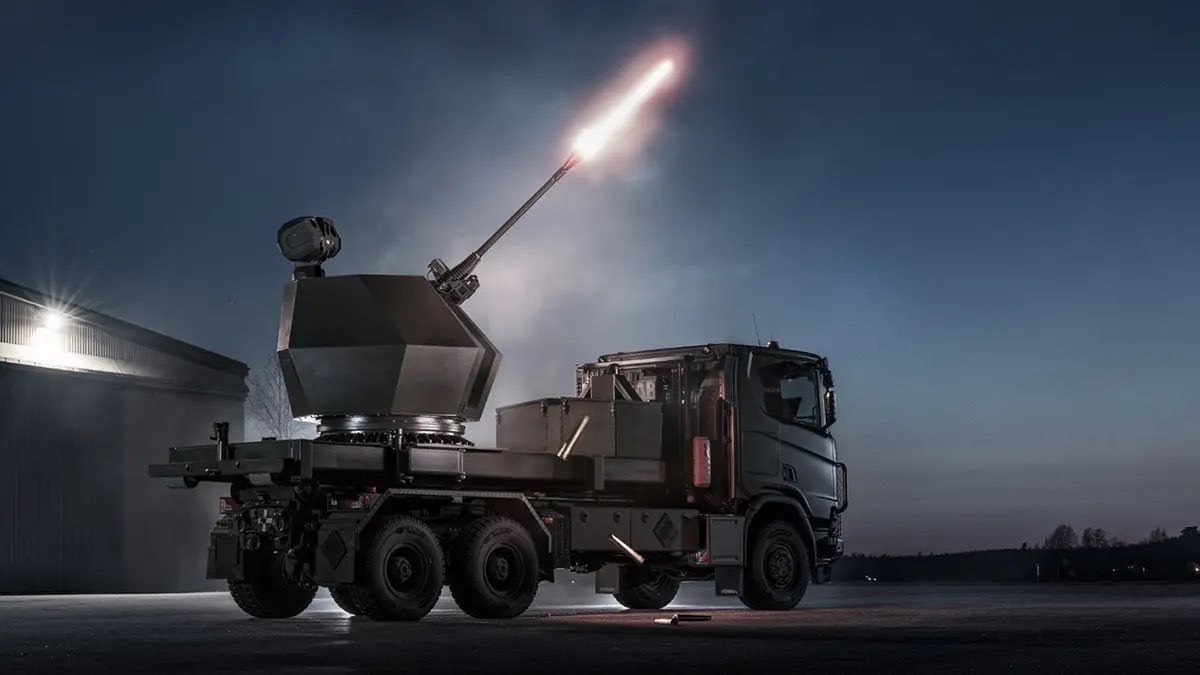
Under its agreement with BAE Systems Bofors, a $180-million contract has been awarded for the procurement of the Tridon Mk2 air defense system.
The Tridon Mk2 is a truck-mounted 40mm system designed to address current air defense gaps.
With multi-target engagement capability, it can counter drones, cruise missiles, and aircraft, while also engaging ground threats such as armored vehicles to protect military units and critical civilian infrastructure.
“We are more committed than ever to providing our customers with protection from ever-evolving aerial threats,” President of BAE Systems BoforsLena Gillström said.
“The Tridon Mk2 has been designed for today’s warfare, and we will continue to deliver cutting-edge solutions to put our customers in the best position to meet future challenges.”
Saab Deal
In a separate award, Saab secured a 2.6-billion Swedish krona ($274 million) contract to deliver a mobile, modular counter-unmanned aerial system.
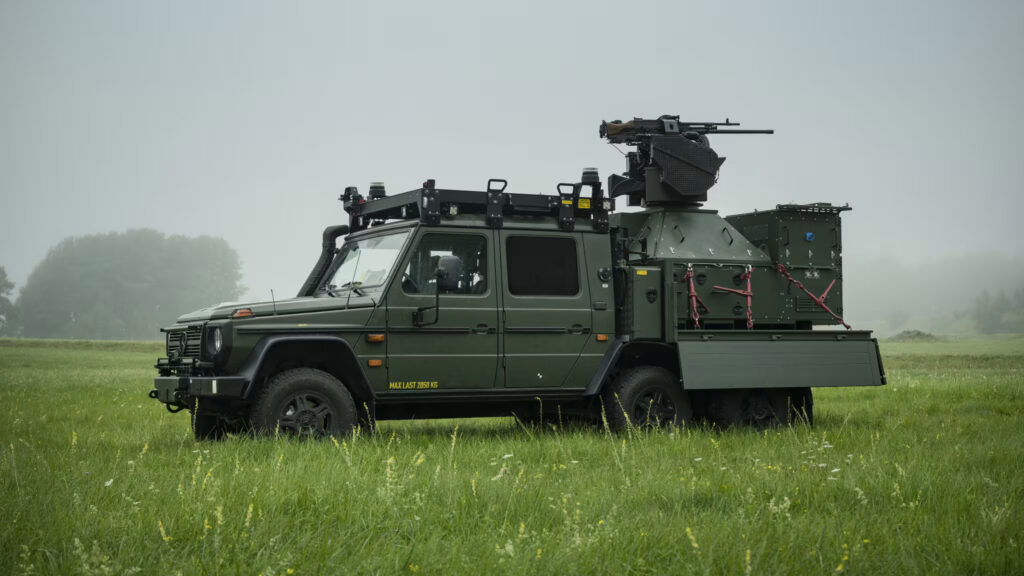
While Saab did not disclose the system’s designation, it described it as a modular platform integrating proven sensors, effectors, and select third-party technologies into a single interoperable solution compatible with existing defense assets.
According to Calibre Defence, the platform will incorporate the Giraffe 1X radar and the Trackfire Remote Weapon Station equipped with a 30mm cannon. The Trackfire will be mounted on the SISU GTP (Terrängbil 24) 4×4 vehicle, jointly procured by Sweden and Finland.
Deliveries are scheduled between 2027 and 2028.
“With today’s order Sweden will acquire an advanced mobile, modular counter-unmanned aerial system,” Head of Saab’s business area Surveillance Carl-Johan Bergholm said.
“This technology enhances airspace security by detecting, tracking, and mitigating unmanned aerial threats, and can be easily integrated with other systems.”