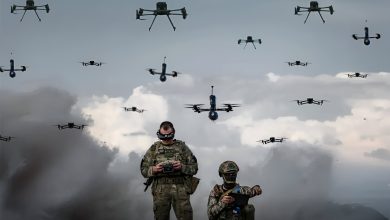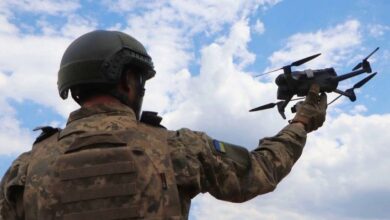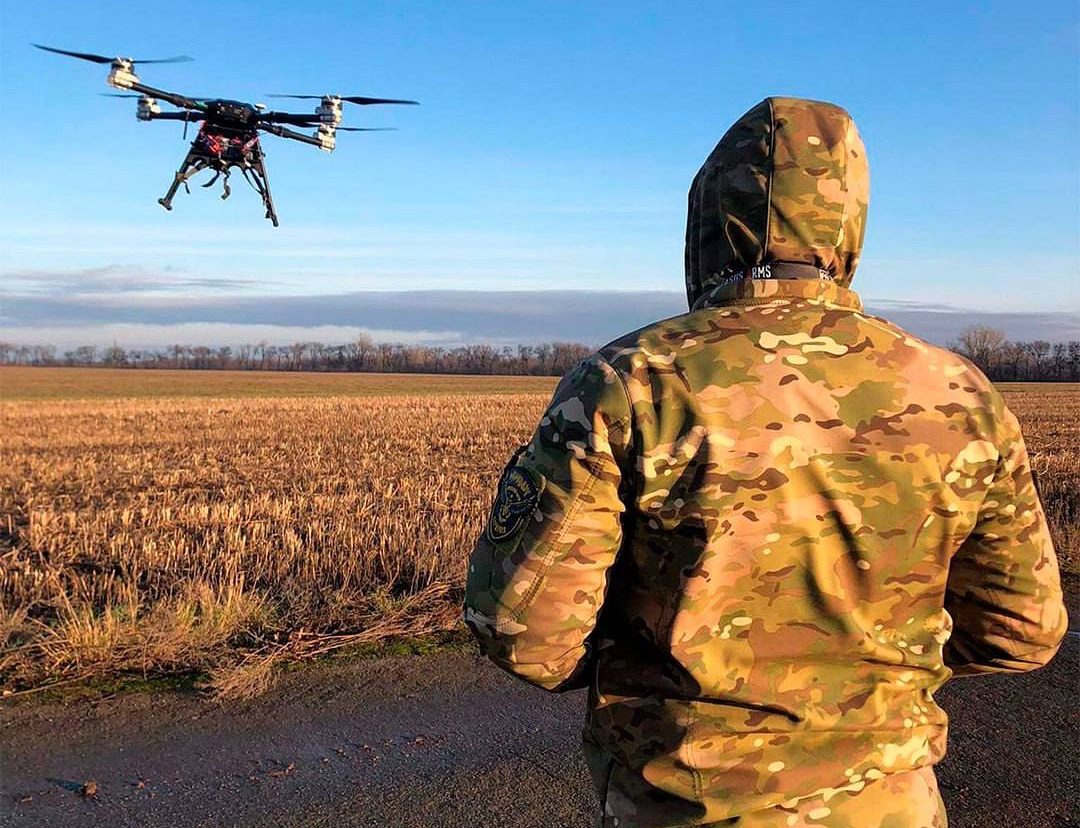
Ukrainian drone manufacturer Pegasus Arms has signed a deal with Germany’s Rohde & Schwarz to integrate reconnaissance and electronic support capabilities into its unmanned aerial vehicles (UAVs).
The partnership brings together Pegasus’ combat-proven platforms with Rohde & Schwarz’s expertise in radio-frequency sensing and signals intelligence.
The cooperation will begin with joint development, followed by proof-of-concept testing, system configuration, and validation.
The aim is to integrate electronic surveillance and sensing payloads directly into Pegasus drones, enabling real-time signal collection and processing.
Pegasus Arms has already provided more than 1,500 heavy UAVs to Ukrainian units, which have been used against armored and other targets.
With the addition of Rohde & Schwarz systems, these platforms are expected to take on more advanced functions, including identifying and tracking enemy emitters and drones, supporting broader efforts to counter unmanned threats.
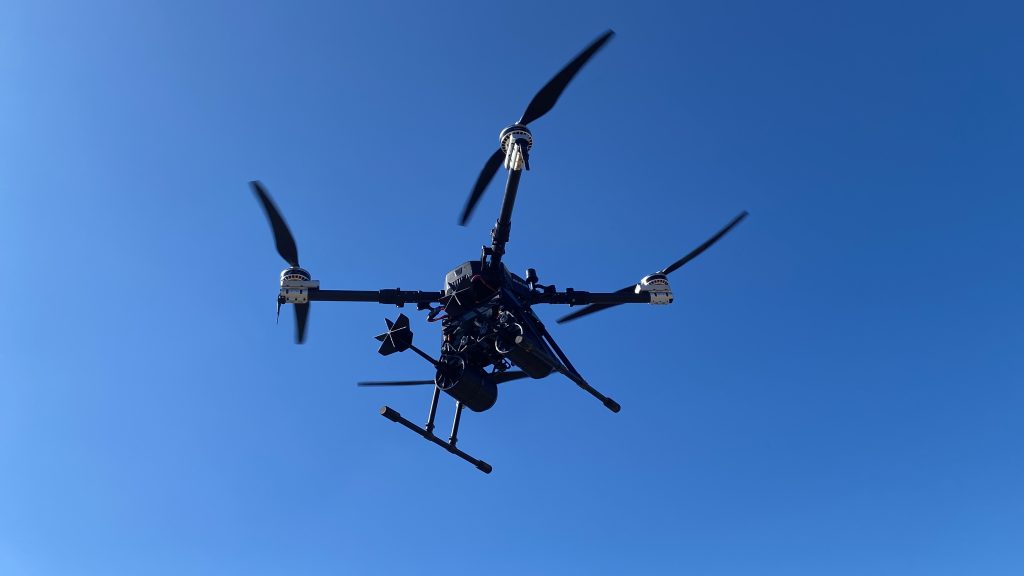
Boosting Drone Capacity
Under the agreement, Pegasus seeks to expand the role of its drones beyond strike, logistics, and mine-laying to include threat detection, electronic support, and improved situational awareness.
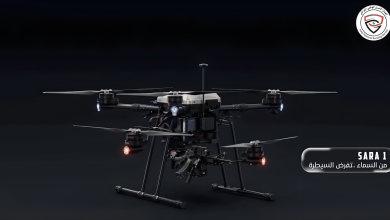
“For instance, the Pegasus Arms 25 will now be able to do more than just transport a payload from point A to point B; it will gain new functions that will come as an unpleasant surprise to the enemy,” said Illia Samoshkin, Director of Pegasus Arms.
Pegasus Arms 25 is designed for rapid deployment, requiring eight minutes to become operational.
It features resistance to electronic warfare, stable communications, and an autonomous return-to-base function in case of signal loss.
The platform uses a modular design that supports various payloads, including munitions, mines, and supply-delivery systems.
It is employed against vehicles, fortifications, and personnel, while also supporting logistics tasks.
It can reach speeds of up to 110 kilometers (68 miles) per hour, and has a payload capacity of up to 14 kilograms (31 pounds).
The drone operates at altitudes up to 400 meters (1,312 feet), has an endurance of up to 45 minutes, and an operational range of up to 20 kilometers (12.4 miles).
Communication links can extend to 30 kilometers (18.6 miles), supporting operations at extended distances.