Don’t Turn Kharg Island Into America’s Next Quagmire
Seizing Iran’s oil hub would trap US forces in a costly occupation.

As the US–Israel air campaign against Iran enters its second week, a new idea is circulating in Washington’s hawkish circles: seize Kharg Island, the tiny Persian Gulf outpost that handles nearly 90 percent of Iran’s crude exports.
At first glance, the logic is obvious.
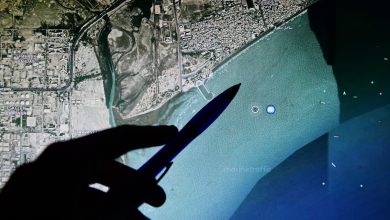
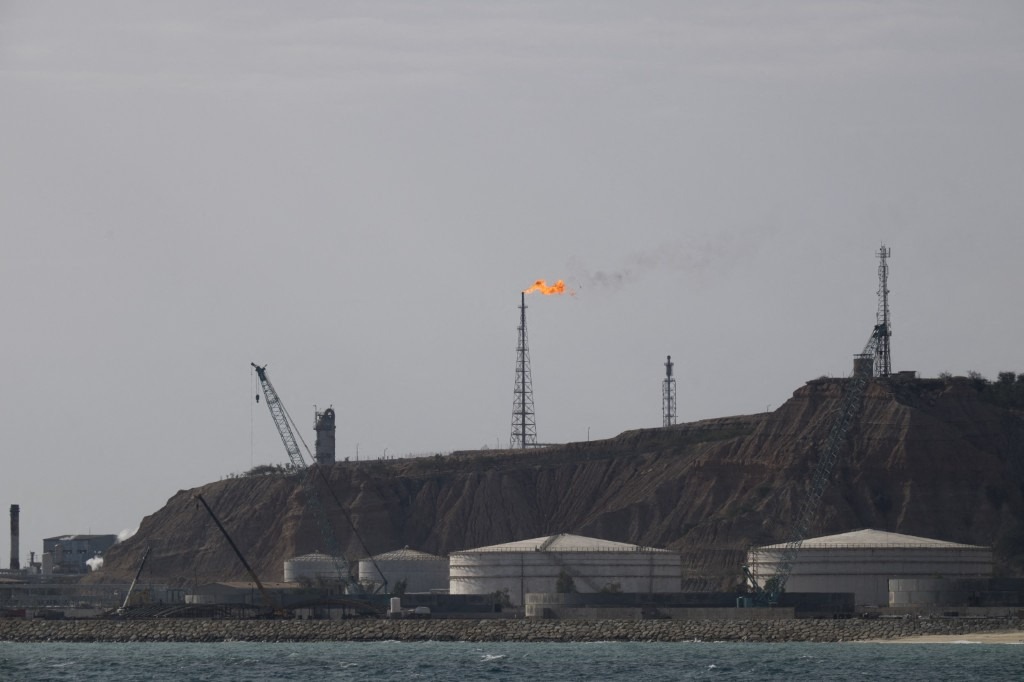
Kharg is the nerve center of Iran’s oil economy, capable of loading roughly seven million barrels per day through pipelines linking offshore and mainland fields. In practical terms, it is the single most important node in Iran’s export infrastructure.
That makes it an attractive target. If the United States controlled Kharg, some argue, Tehran’s oil revenues would collapse overnight.
But in a war already drifting toward attrition, planting US forces on Kharg would be a strategic trap: militarily costly, politically explosive, and economically destabilizing far beyond the Persian Gulf.
Kharg’s Appeal and Its Mirage
The idea’s appeal lies in its apparent simplicity.
Some advisers close to President Donald Trump have argued that capturing Kharg would cripple Iran’s war economy. The island sits only about 18 miles (29 kilometers) offshore and handles the overwhelming majority of Iranian oil exports.
Yet that simplicity is deceptive.
Iran has confronted disruptions at Kharg before. During the Iran–Iraq War, Iraqi air strikes repeatedly targeted the island, forcing Tehran to adapt by shifting exports to alternative terminals such as Larak and Sirri. Iran learned from that experience and built redundancy into its system.
Today, Tehran also benefits from a willing buyer in China, which continues purchasing Iranian crude despite sanctions.
Even under pressure, Iran has demonstrated an ability to surge exports. In late February, for instance, tankers loaded more than 20 million barrels at Kharg in just six days — triple the pace seen in January.
Seizing the island would not end Iran’s oil trade. It would simply turn Kharg into a fixed and vulnerable battlefield.
Fixed Target in Drone-Saturated Littoral
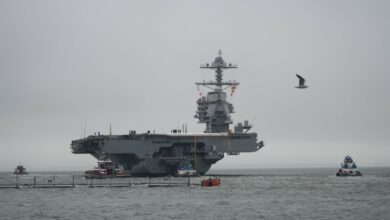
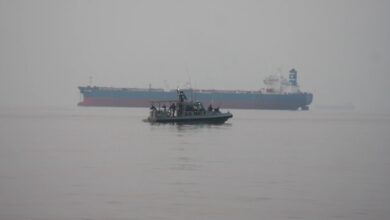
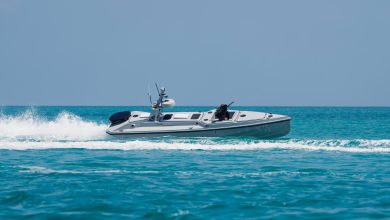
Any US operation to capture the island would have to cross open water under the threat of Iranian anti-ship missiles, naval mines, fast-attack boats, and drones.
Iran has spent decades refining these asymmetric tactics specifically for the confined waters of the Persian Gulf.
And the danger would not end once American troops reached shore.
Kharg is small, exposed, and well within range of Iranian missiles and artillery. Holding it would require a permanent defensive umbrella against a constant stream of threats.
Air defense batteries such as the Patriot and THAAD would need to intercept missiles and drones launched from the Iranian mainland just miles away.
This is precisely the type of fight Tehran prefers: a grinding contest that forces the United States to expend high-end munitions and scarce defensive interceptors simply to hold ground. Every missile intercepted over Kharg would be one less available for protecting regional bases or partners.
Iran does not need to retake the island to win this contest. It only needs to make holding it painfully expensive.
Oil Shock and Strategic Blowback
The consequences would not stop at the battlefield. Kharg is not merely an Iranian asset; it is a pressure point in the global energy system.
Major disruptions at the terminal have historically rattled oil markets. A full-scale occupation would almost certainly trigger Iranian retaliation across the Gulf. Saudi oil facilities, Emirati infrastructure, and Qatar’s liquefied natural gas network would all become potential targets.
Even limited attacks could send oil prices soaring. During past crises involving Kharg, Brent crude prices have spiked dramatically.
A prolonged disruption today could push prices toward levels that would reverberate through global markets and drive gasoline costs sharply higher in the United States.
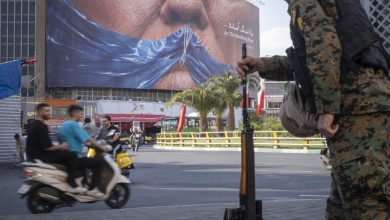
Such a shock would carry political consequences as well. Images of American troops “securing” Iran’s oil infrastructure would reinforce Tehran’s narrative of foreign exploitation, potentially rallying domestic support around the regime at a moment when pressure might otherwise divide it.
It could also fracture Western unity. European governments already wary of escalation would likely view the move less as a defensive measure and more as a resource grab, complicating diplomatic coordination at a critical moment.
From Air Dominance to Ground Quagmire
Most importantly, seizing Kharg risks transforming the nature of the conflict itself.
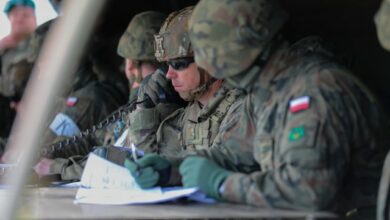
The current campaign is built around airpower and stand-off strikes. Occupying the island would introduce a permanent ground commitment — one that requires continuous resupply, layered defenses, and constant naval protection thousands of miles from the United States.
Iran would exploit that vulnerability.
Proxy groups across the region — from the Houthis to Iraqi militias — could target shipping routes, mine maritime approaches, and attack supply lines supporting the island garrison.
Meanwhile, Russia and China would likely feed Tehran with intelligence, drones, and other support designed to prolong the conflict.
Their goal would not necessarily be Iranian victory. It would be American exhaustion.
Smarter Pressure Without Occupation
There are smarter ways to pressure Iran’s oil lifeline without placing US troops on a vulnerable island.
Washington could intensify maritime interdiction of Iran’s “ghost fleet” of sanction-evading tankers, tighten insurance and financial restrictions on those shipments, and pursue cyber or financial disruptions targeting the payment channels connecting Iranian exporters and Chinese buyers.
It could also provide regional incentives that help Gulf partners absorb Iranian retaliation without escalating.
Such measures would erode Iran’s oil revenues while avoiding the risks of a permanent military occupation.
The Oil Trap
Kharg Island is undeniably a strategic jewel. But it is also a strategic snare.
Capturing it might produce a dramatic headline and the appearance of decisive action. In practice, it would lock the United States into defending a small, exposed outpost against a determined regional adversary operating on its own doorstep.
In a conflict already defined by endurance and escalation risks, Washington should resist the temptation to turn an economic pressure point into a military quagmire.
Denying Iran revenue is a sensible objective.
Occupying Kharg is not.

Charbel A. Antoun is a Washington-based journalist and writer specializing in US foreign policy, with a focus on the Middle East and North Africa.
He is passionate about global affairs, conflict resolution, human rights, and democratic governance, and explores the world’s complexities through in-depth reporting and analysis.
The views and opinions expressed here are those of the author and do not necessarily reflect the editorial position of The Defense Post.
The Defense Post aims to publish a wide range of high-quality opinion and analysis from a diverse array of people – do you want to send us yours? Click here to submit an op-ed.