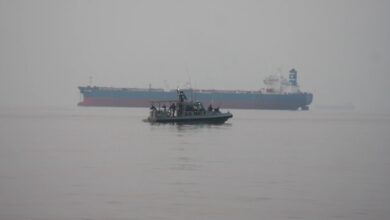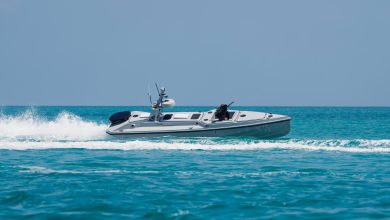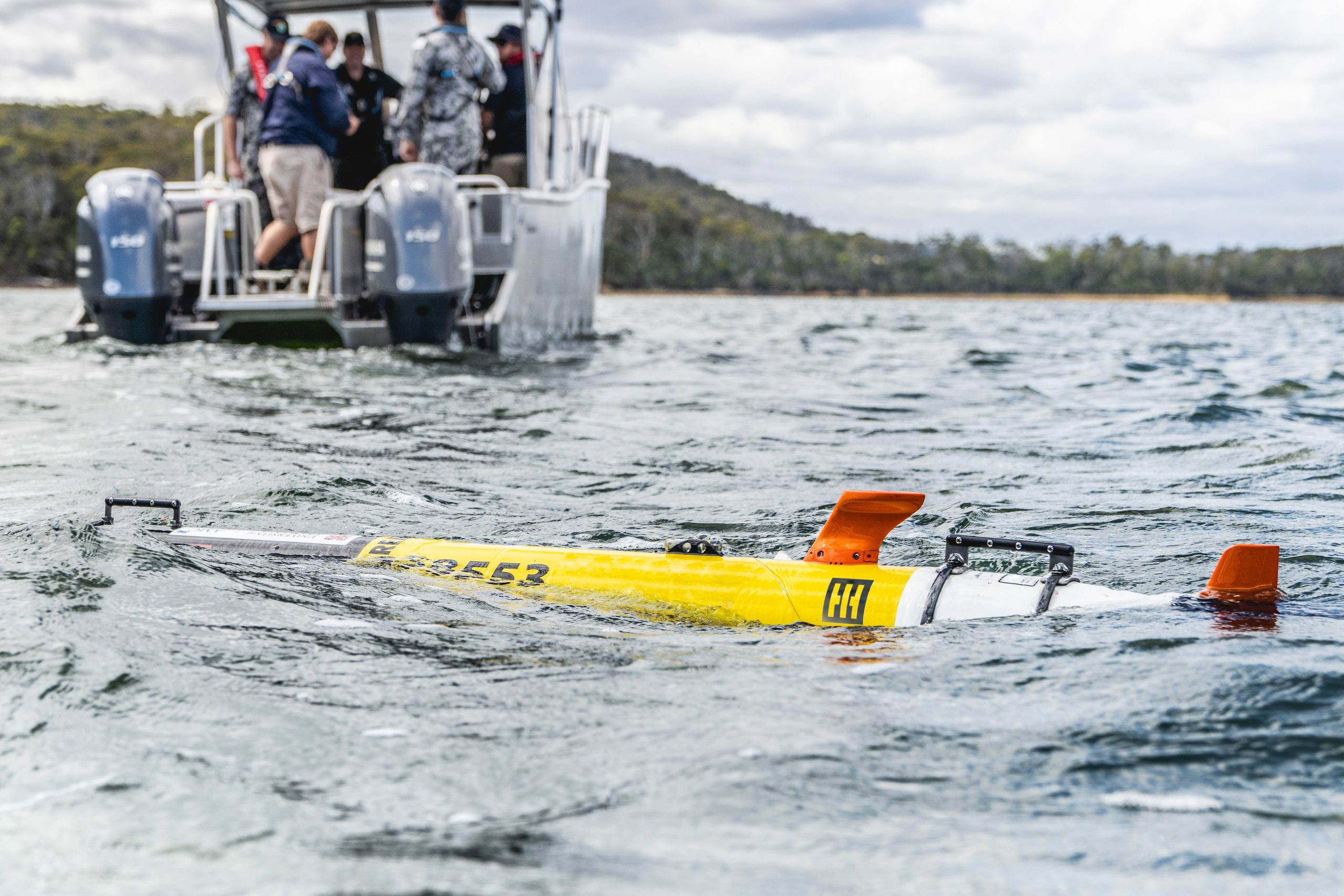
HII has partnered with engineering firm Nominal to modernize how operational and manufacturing data are collected and analyzed for its REMUS unmanned underwater vehicles (UUVs) and ROMULUS unmanned surface vehicles (USVs).
The initiative aims to accelerate post-mission analysis supporting faster testing cycles and higher production throughput for HII’s platforms.
Nominal’s software tools will introduce standardized workflows that allow teams to access and analyze unmanned systems data from individual components to the full-vehicle level, including information generated from digital simulations.
“By standardizing how we collect and analyze test data, we are shortening feedback loops, improving traceability, and moving faster from testing to delivery — advancing maritime autonomy at a time when it is critical to the security of the US and our allies,” stated Eric Chewning, executive VP of maritime systems and corporate strategy at HII.
The recent partnership builds on a pilot program completed last year.
According to HII, during the trial, automated analysis templates cut some review tasks from hours to minutes, while improved data capture shortened certain production test steps by about 50 percent.
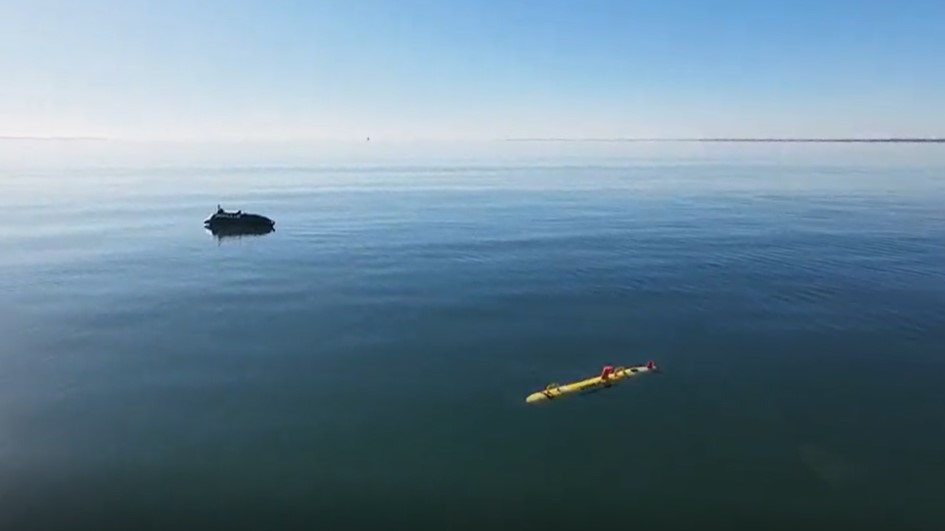
HII’s Systems for Maritime Security
HII’s REMUS family of UUVs is operated by more than 30 navies worldwide, including 14 NATO members.
The systems support missions such as mine countermeasures, seabed mapping, intelligence collection, and environmental monitoring.
ROMULUS USVs are designed to work alongside REMUS platforms, extending operational reach by supporting anti-submarine warfare sensing and allowing crewed vessels to remain at greater standoff distances.
Together, the two systems provide a combined surface and subsurface unmanned capability that can operate in coordination with manned naval fleets.