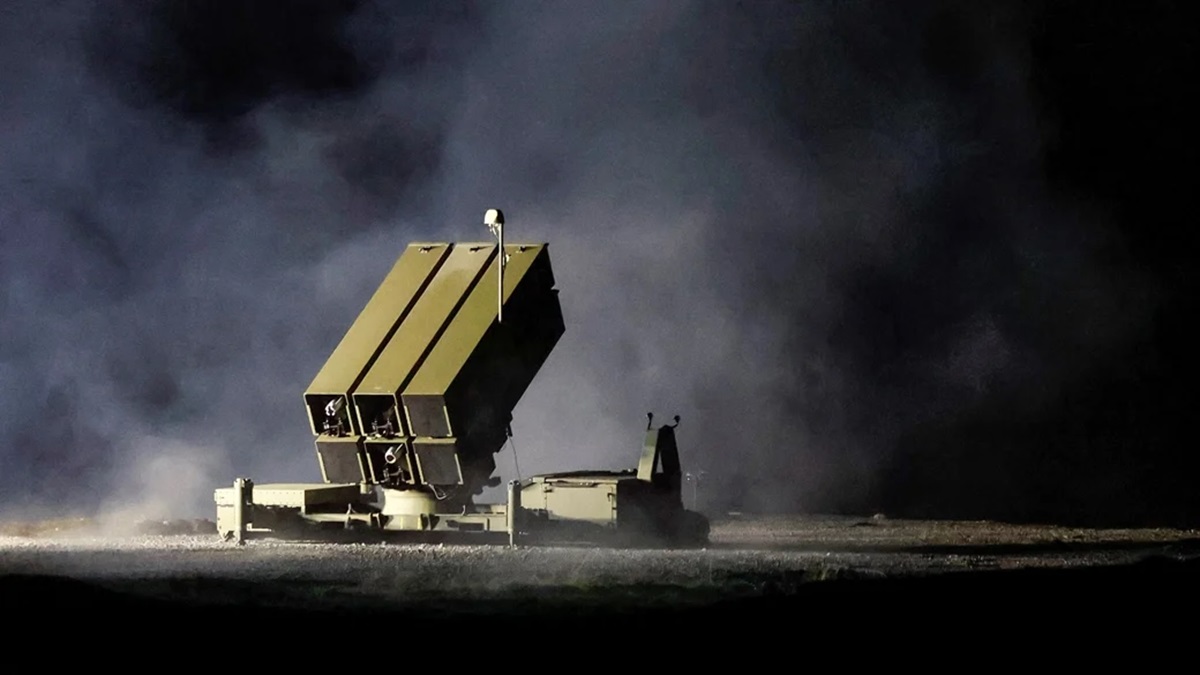
Belgium’s Port of Antwerp will begin installing its own National Advanced Surface-to-Air Missile System (NASAMS) air defense system in 2027 to shield much of its vast industrial and logistics infrastructure from aerial threats.
Prime Minister Bart De Wever announced the plan during the annual Port of Antwerp‑Bruges community meet‑up, Gazette of Antwerp reported. He noted that the first battery alone will be capable of protecting nearly two‑thirds of the port area once deployed.
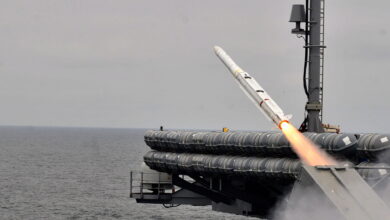
Designed as a medium‑range layered air defense solution, NASAMS combines a search radar with three to four missile launch units and a fire control center that takes in sensor data and issues engagement orders.
The configuration is effective against aircraft and cruise missiles, which are the primary concerns for coastal and industrial facilities.
De Wever also said an additional anti‑drone system has been ordered to address incursions by small, unregistered unmanned aerial systems reported over sensitive sites including nuclear stations and chemical plants.
Belgium’s Broader Air Defense Procurement
In recent years, Belgium has significantly expanded its air defense capabilities through a series of major procurements that extend from national to allied commitments.
In June 2025, the government agreed to purchase 10 NASAMS batteries from Norway’s Kongsberg via a joint agreement with the Netherlands, marking one of the largest national air defense acquisitions in decades and addressing capability gaps left since the 1990s.
Alongside medium‑range systems, Belgium shifted to enhance its short‑range portfolio.
In 2025, the government confirmed plans to acquire Rheinmetall’s Skyranger mobile air defense systems as part of the Strategic Vision 2025 framework.
To further broaden its layered defense, Belgium signed a letter of intent in May 2025 to procure 200 to 300 Polish‑made Piorun man‑portable air defense systems, a contract aimed at boosting low‑altitude protection against drones, helicopters, and other airborne threats.