The US Department of State has approved a potential $280-million foreign military sale to Jordan for the acquisition of Ku-band Multi-Function Radio Frequency Systems (KuMRFS) and related equipment.
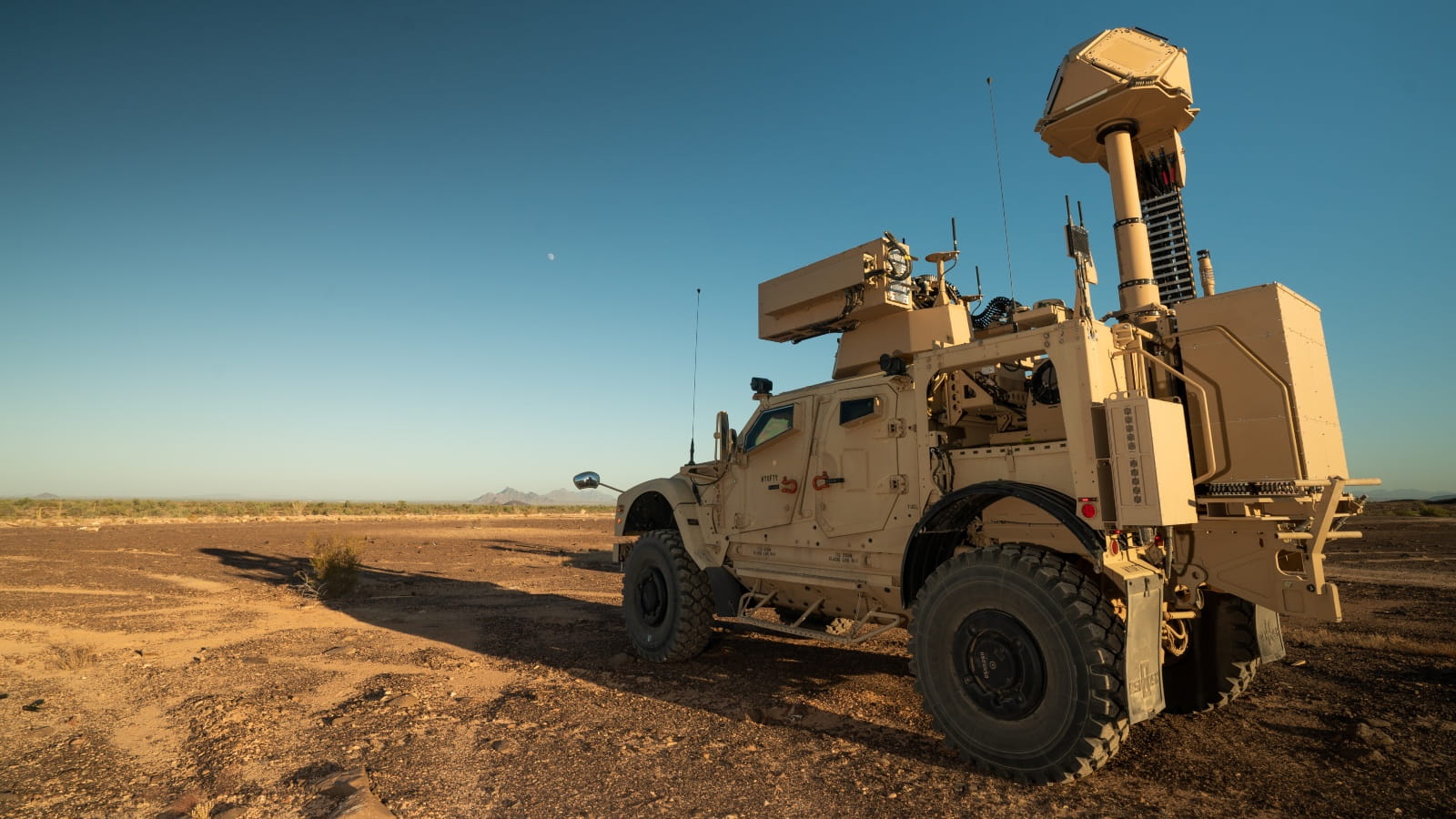
The KuMRFS is a short-range, high-resolution radar designed to provide continuous surveillance of the surrounding airspace.
Amman seeks to acquire KuMRFS radars integrated with command-and-control systems, along with generators and GPS receivers.
The package also includes spare and repair parts, specialized tools, testing equipment, and training devices.
Additional support would cover US government and contractor engineering, logistics services, systems integration, on-site technical assistance, and program management oversight.
The primary contractor will be RTX Missile Defense Technologies, based in Tucson, Arizona.
Washington framed the proposed sale as aligned with US foreign policy and national security objectives, reinforcing Jordan’s defense capabilities as a designated major non-NATO ally and a longstanding security partner in the Middle East.
“The proposed sale will improve Jordan’s capability to meet current and future threats by sustaining a credible force that can deter adversaries and participate in CENTCOM operations,” stated the US government.
Ku-band Multi-Function Radio Frequency System
Through continuous 360-degree scanning, the system can monitor the airspace in real-time, track multiple objects simultaneously, and maintain situational awareness in rapidly evolving scenarios.
KuMRFS is designed to detect, track, and classify a broad spectrum of airborne threats, including rockets, artillery, and mortar rounds.
Initially developed to counter indirect fire, the radar has since expanded into a multi-mission sensor with a strong role in counter-drone operations.
Its high-resolution sensing capability enables it to reliably identify small, low-signature aerial platforms that are difficult to detect with traditional air defense radars.
KuMRFS generates precise tracking and targeting data that can be integrated into layered air defense networks and paired with a range of effectors, including guns, missile systems, and directed-energy weapons.