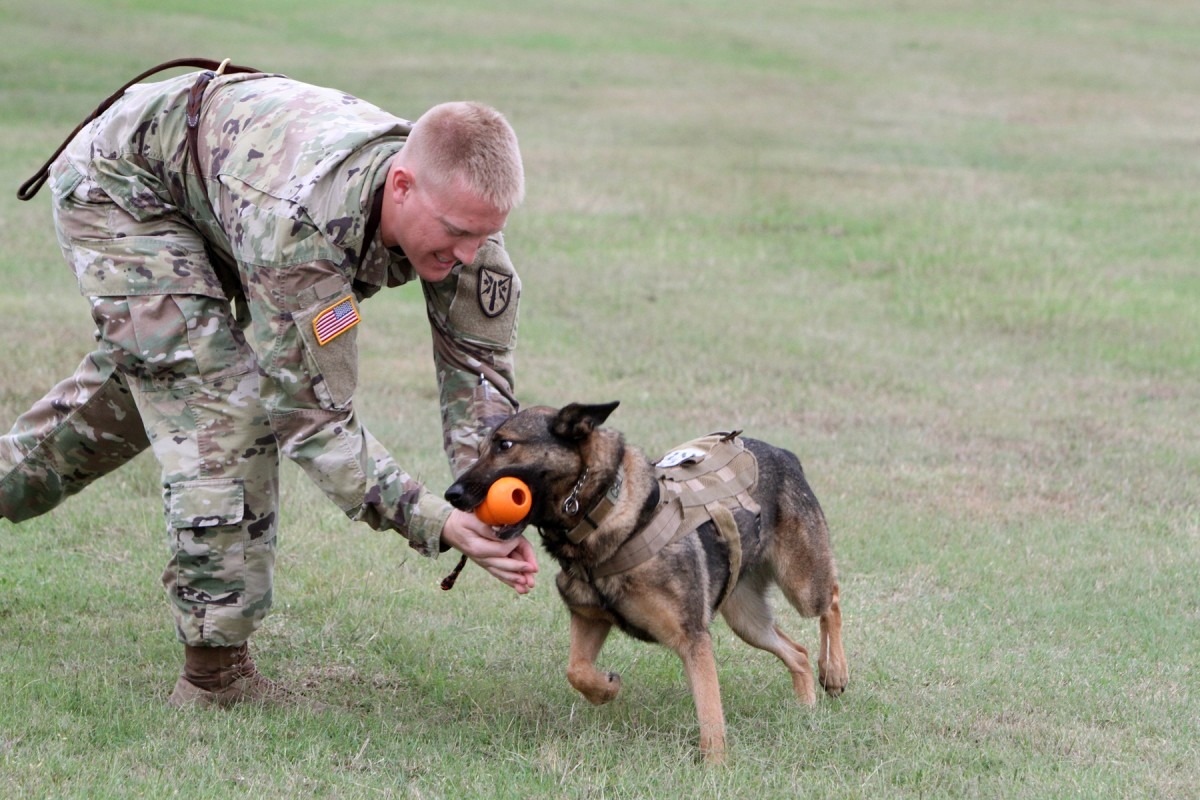
A recent US Department of Defense Inspector General report has highlighted serious welfare concerns for military working dogs across US bases.
Non-training dogs, those awaiting deployment, medical disposition, or who have been rejected, are particularly affected.
Between 2021 and 2023, four dogs died due to inadequate care and unsuitable kennel conditions.
The report found that many dogs are housed in aging or inadequate kennels and do not receive the daily physical, social, and cognitive enrichment required for their well-being.
Harsh Conditions, Limited Exercise
Across 12 bases visited, it was found that dogs were exposed to extreme temperatures, mold, and standing water.
These conditions led to health problems, including heat stress, gastrointestinal conditions, and skin diseases.
At the 341st Training Squadron at Joint Base San Antonio, Texas, the main training and acquisition center for US military working dogs, 230 dogs were evaluated in August 2024.
According to the report, animals were walked for only about 10 minutes, four times a week or less, far below the recommended five hours of daily exercise and mental stimulation.
While activities such as audiobooks, music, inflatables, and scented bubble machines were provided, they could not make up for the lack of physical activity and social interaction.
The report links these gaps to staff shortages, aging kennel facilities, and inadequate protection from extreme weather.
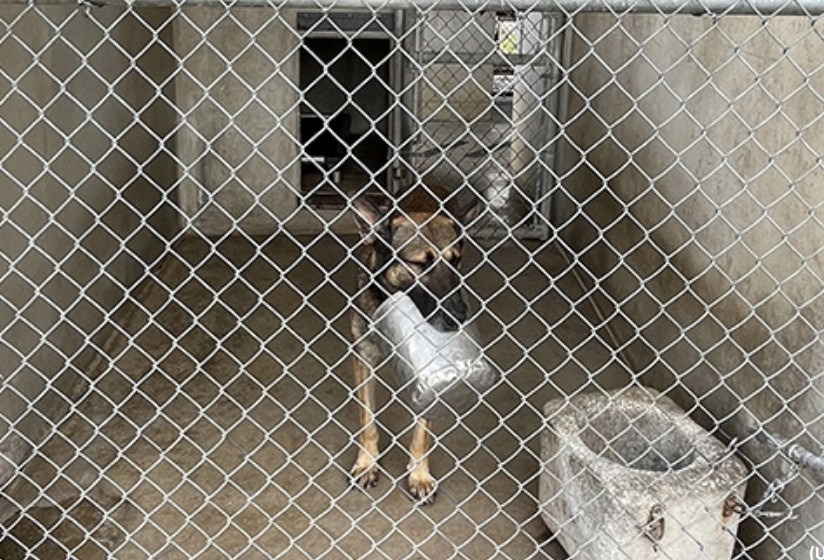
Military Dogs at Risk
Currently, about 1,600 military working dogs serve across all military branches, and proper care is essential not only for their welfare but also for mission readiness.
The report emphasizes the need for consistent attention to kennel conditions, enrichment, and staffing to keep the dogs healthy, safe, and effective.
Recommendations to improve the situation include reducing the number of dogs in non-training status until enough caretakers are available and upgrading kennel facilities to meet modern standards.
In response, the US Air Force has requested funding to hire additional caretakers and improve overall dog care.