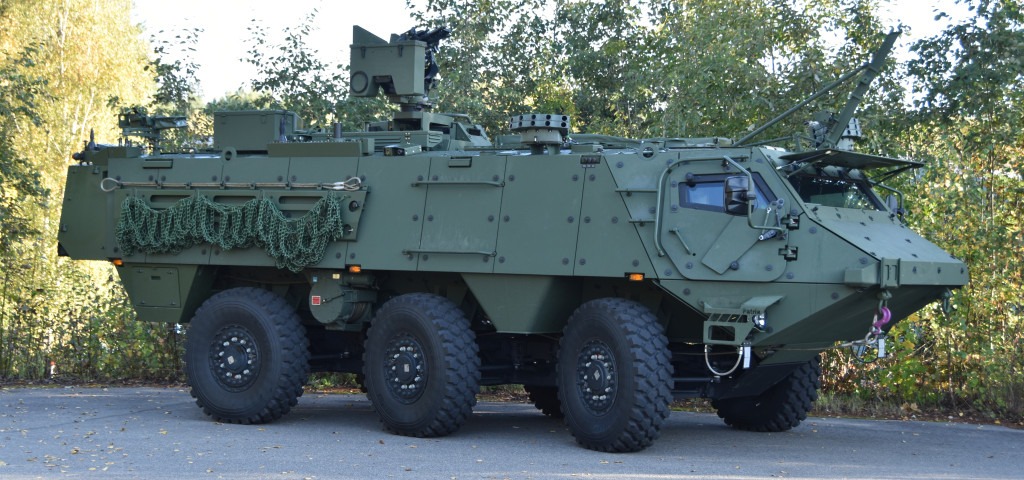
When Finland and Latvia set out to rethink how allied ground forces move, fight, and scale together, the answer wasn’t a bespoke national vehicle, but a shared vision for armored mobility.
That vision became the Common Armoured Vehicle System (CAVS), a program quietly reshaping how smaller nations build collective strength.
This guide breaks down how CAVS came together, why it matters, and what it signals for Europe’s future force design.
Defining the CAVS Program
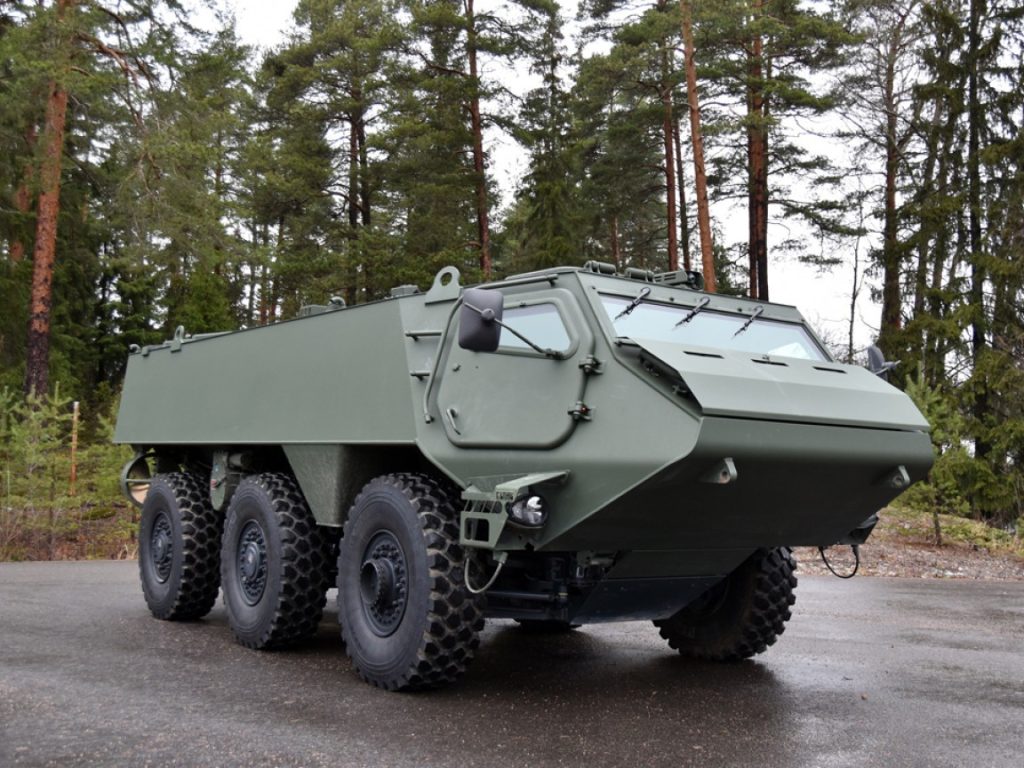
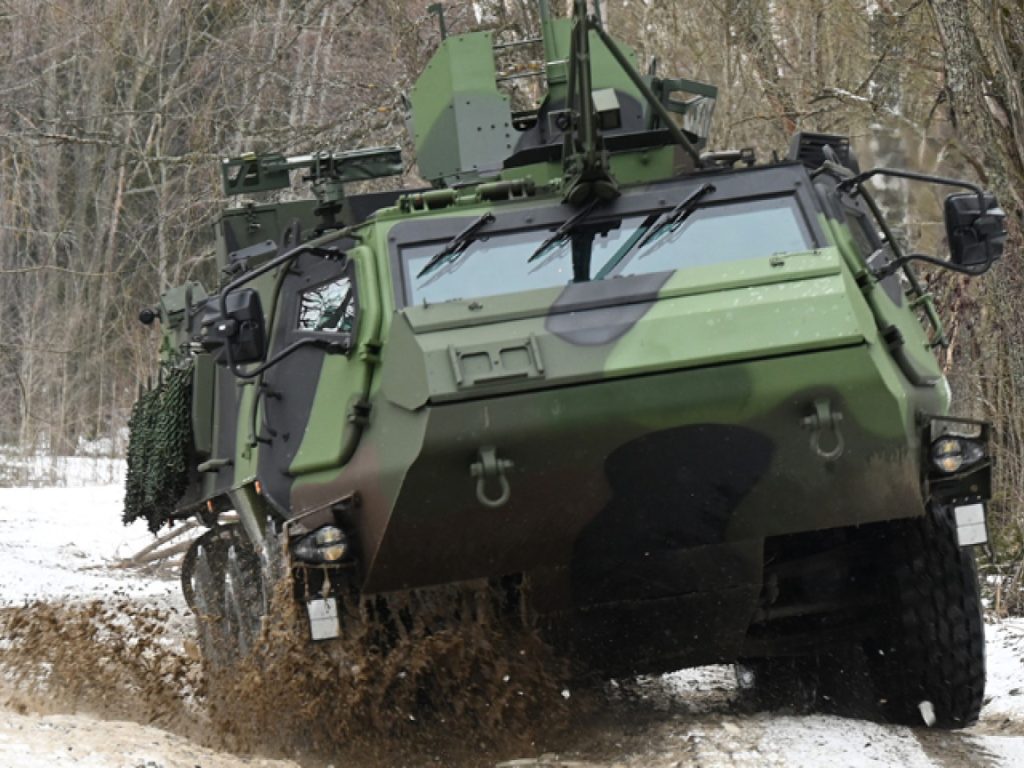
The CAVS program is a multinational European initiative to develop a shared 6×6 armored vehicle platform to meet common operational needs across participating nations.
Rather than pursuing parallel national programs, CAVS pools requirements, procurement, and sustainment under a common framework.
By standardizing mobility, protection, and modularity, CAVS strengthens interoperability, reduces lifecycle costs, and enhances European defense autonomy.
Participating Nations
CAVS was launched in 2020 by Finland and Latvia and has since expanded to include Sweden, Germany, Denmark, Norway, and the UK, with the door open to other nations meeting program requirements.
The initiative aligns with European strategic priorities, including NATO and EU operational cooperation and joint defense procurement through instruments like the European Defence Industry Reinforcement Programme.
Program Structure and Goals
CAVS is not just a procurement project; it’s a collaborative development and lifecycle program. What sets the effort apart is the way participating nations align around three core elements:
- Joint development: Participating countries share design input, testing, and industrial production.
- Standardized logistics: Common parts, maintenance protocols, and support reduce costs and improve efficiency.
- Strategic autonomy: CAVS strengthens Europe’s domestic defense industrial base while supporting interoperability with NATO forces.
Platform and Capabilities
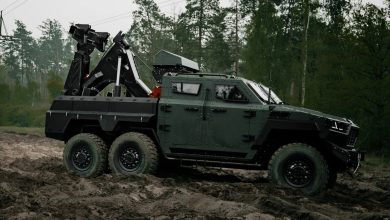
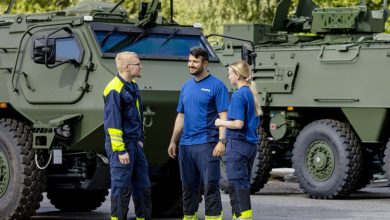
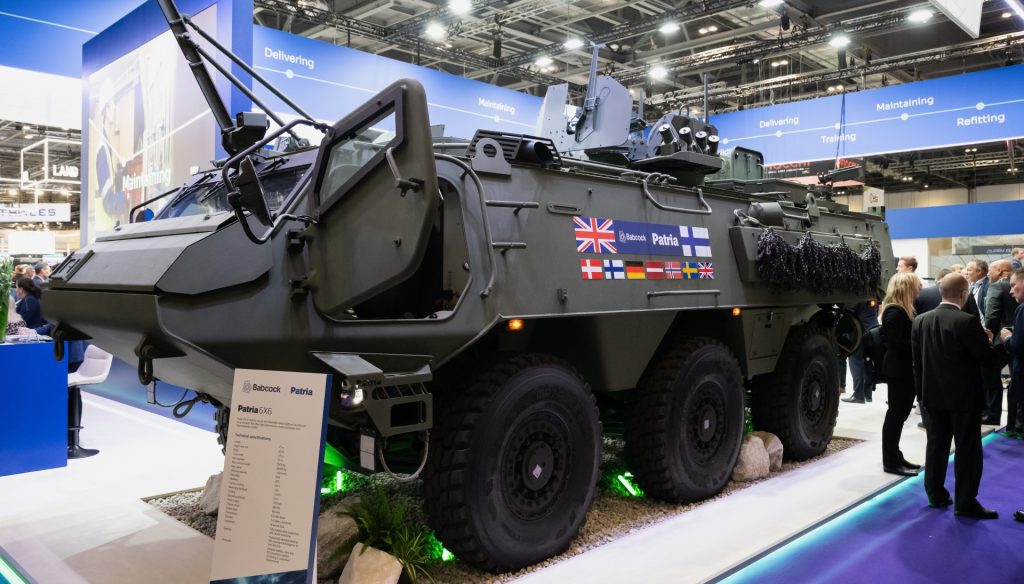
At its core, CAVS is built around the Patria 6×6, a modern armored vehicle designed from the outset for flexibility across a wide range of operational environments.
Rather than locking users into a single mission profile, the platform serves as a common backbone that participating nations can tailor to their own force structures and threat perceptions.
It is designed for:
- Modularity: The vehicle’s open architecture allows rapid reconfiguration for troop transport, reconnaissance, medical evacuation, command-and-control, or combat support roles. Mission kits and modular subsystems enable upgrades and role changes over the vehicle’s service life without requiring new hulls.
- Protection and mobility: Balanced protection levels provide defense against small arms fire, mines, and improvised explosive device threats while preserving high mobility on roads and difficult terrain. The 6×6 configuration prioritizes range, payload, and reliability — key factors for sustained operations in both national and expeditionary contexts.
- Adaptability: The platform is designed to integrate a broad range of weapon systems and sensors, including remote weapon stations, heavy mortars, and mission-specific equipment. This allows CAVS vehicles to evolve alongside emerging threats and technologies, avoiding costly redesigns as operational requirements change.
Program Limitations and Challenges
A program of this magnitude is bound to face several design and operational limitations.
Key concerns include:
- Multinational coordination: Aligning requirements across participating countries can slow decision-making or complicate design choices.
- Integration complexity: Combining modular payloads, advanced communications, and protection systems presents engineering challenges typical of modern armored platforms.
- Production scaling: Meeting demand across several nations requires ramping up industrial capacity, a process that can introduce delays.
- Budget and schedule dependencies: Timelines rely on procurement budgets and phased deliveries from industry partners, which can shift depending on national priorities.
CAVS’ Current Status and Outlook
The program enhances Europe’s defense capabilities by establishing a shared armored vehicle fleet among multiple nations.
Beyond streamlining logistics, resources, and training, CAVS allows operational readiness for NATO and EU missions, with particular relevance in the Baltic and Nordic regions.
With 2,000 orders received and over 300 already delivered, CAVS is quickly emerging as a central pillar of European land defense collaboration.
The program continues to expand production and establish joint sustainment agreements, demonstrating a new model of multinational European collaboration in armored vehicle capability development.