Beneath the waves of the world’s oceans, a silent sentinel waits — its presence unseen but unmistakably felt.
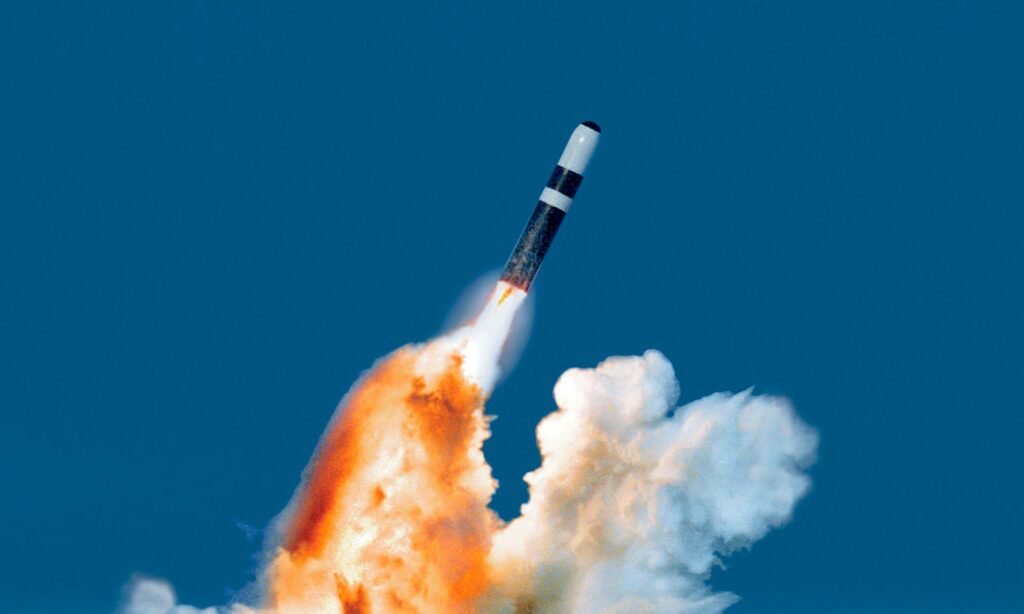
The UGM-133 Trident II, America’s submarine-launched ballistic missile (SLBM), carries decades of strategic planning, engineering, and deterrence doctrine in a single, formidable package.
From design breakthroughs to its role in global security, Trident II represents the backbone of undersea nuclear deterrence, shaping alliances and national defense strategies alike.
This guide unpacks its history, capabilities, and enduring strategic significance.
Behind the UGM-133 Trident II Missile
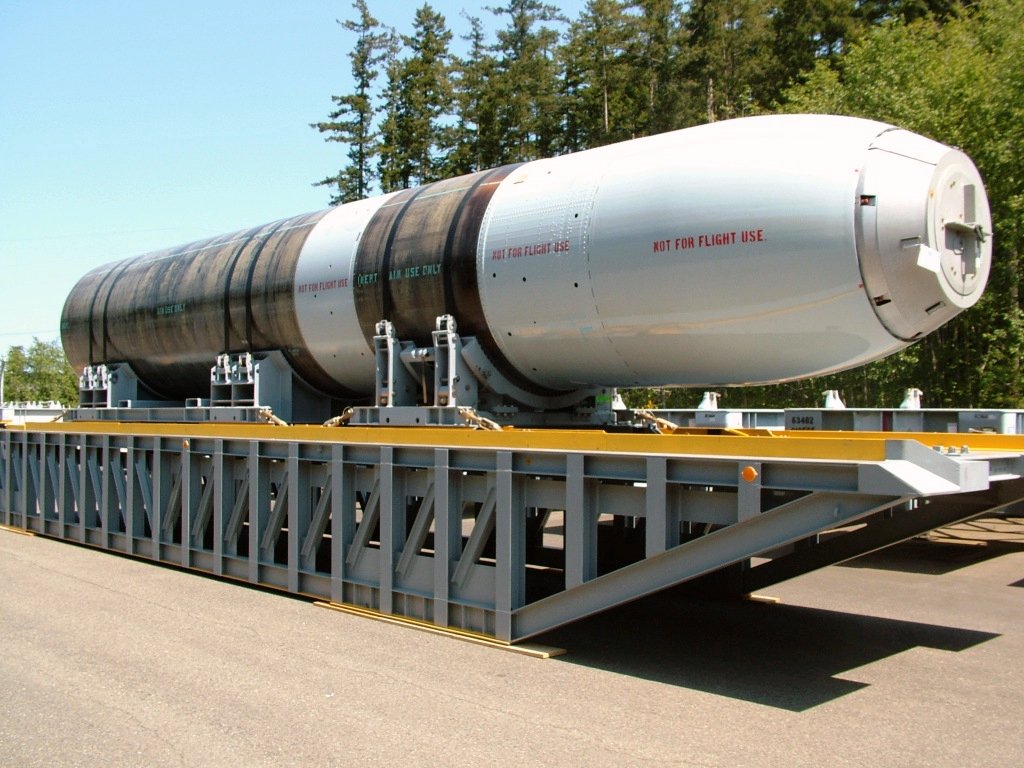
The UGM-133 Trident II (D5) is a long-range SLBM that forms the cornerstone of the United States’ and the United Kingdom’s sea-based nuclear deterrent.
Designed for precision, survivability, and reliability, the Trident II ensures that the submarine leg of the nuclear triad remains a credible, potent force well into the 21st century.
Its combination of advanced guidance systems, extended range, and flexible payload makes it one of the most sophisticated strategic weapons ever fielded.
Origins and Evolution
The Trident II was developed during the 1980s by Lockheed Martin as a successor to the earlier Trident I missile.
Its purpose was to provide a longer-range, higher-accuracy system capable of penetrating increasingly sophisticated adversary missile defenses.
The missile achieved initial operational capability in 1990 and, over subsequent decades, underwent multiple life-extension and accuracy upgrades to ensure it remains relevant against modern threats.
The Trident II was deployed aboard the aging Ohio-class nuclear-powered submarines (SSBNs), which were the US Navy’s primary nuclear deterrent at the time, and was later integrated into the Columbia-class submarines, currently under construction.
In the UK, the missile was adapted for the Vanguard-class submarines, forming the backbone of Britain’s sea-based nuclear deterrent.
Mission and Deterrence
The Trident II is not just a weapon; it is a key instrument of strategic stability. Its deployment on stealthy SSBNs makes it the most survivable leg of the nuclear triad, ensuring a credible second-strike capability.
Adversaries must assume that even if land-based missiles or bombers are destroyed in a first strike, Trident II missiles remain at sea, ready to retaliate. This survivability deters aggression by guaranteeing that a nuclear response is both possible and inevitable.
Because the missile is sea-based, it is inherently mobile and difficult to track, unlike missiles deployed from fixed silos or air bases.
Submarines can patrol vast ocean areas, often in regions far from enemy detection, creating a persistent and unpredictable threat that underpins deterrence.
Anatomy of the Missile
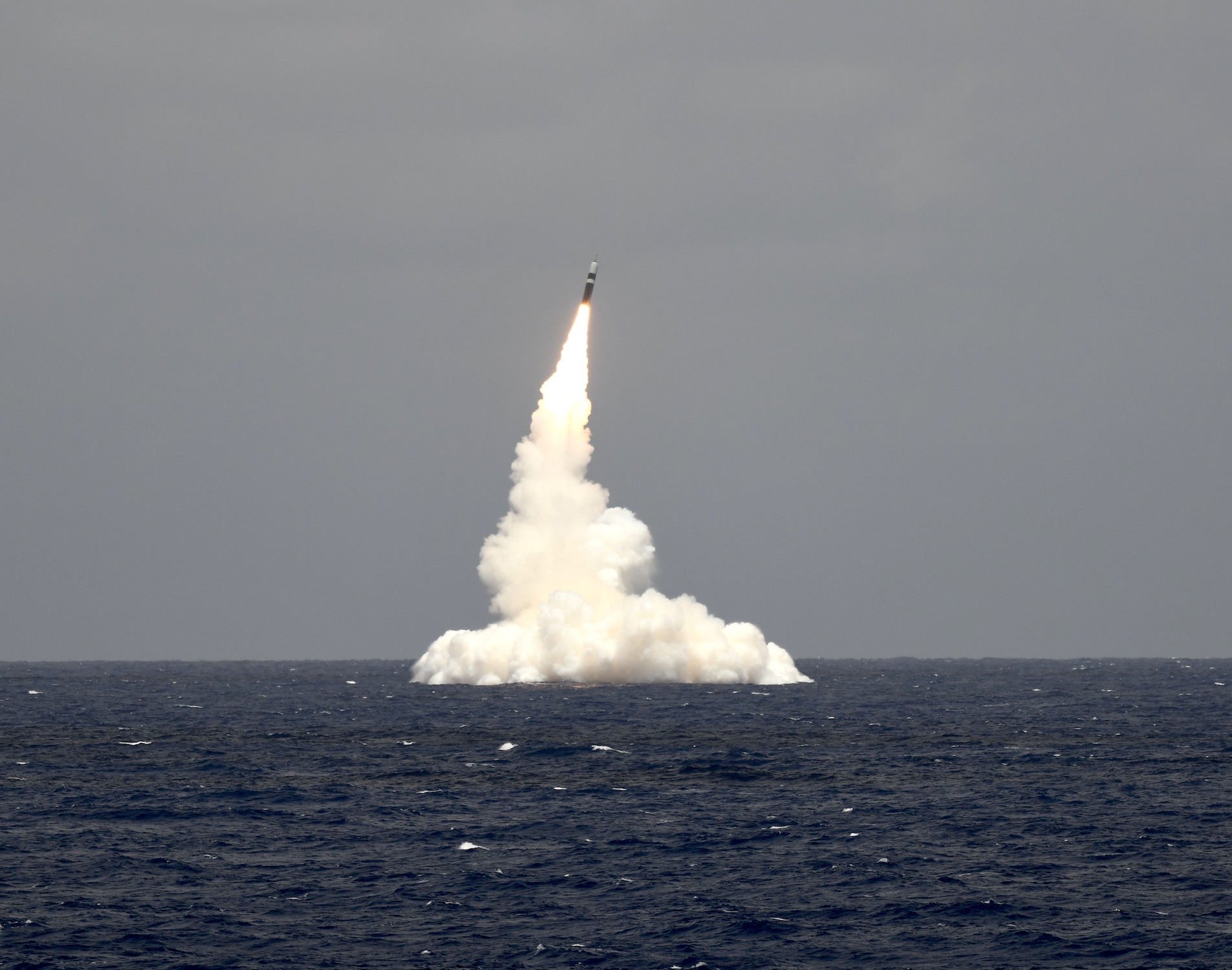
The UGM-133 Trident II is a three-stage, solid-fuel missile designed for underwater launch, with a maximum range of approximately 7,400 kilometers (4,600 miles).
It is capable of carrying multiple independently targetable reentry vehicles (MIRVs), allowing a single missile to strike several targets with high precision.
While the exact number of warheads is classified, estimates suggest each missile can carry up to eight warheads, depending on configuration and treaty limitations.
The key design features include:
- Underwater launch capability: Trident II is launched from a pressurized submarine tube using a gas generator to push the missile to the surface before the first-stage motor ignites, allowing submarines to remain submerged and undetected.
- Solid-fuel propulsion: Three stages of solid propellant provide rapid acceleration and simplified handling compared to liquid-fuel systems.
- Advanced guidance: An onboard inertial navigation system, augmented by satellite updates, allows the missile to strike targets with accuracy within hundreds of meters — a significant improvement over earlier generations.
- MIRV capability: The missile can deploy multiple warheads independently, allowing for simultaneous strikes on multiple targets, increasing deterrence and complicating adversary missile defense.
Keeping the Missile Ready
Although initially deployed over three decades ago, the Trident II has undergone continuous life-extension programs.
Upgrades have improved its guidance systems, reliability, and integration with modern SSBN platforms. These enhancements ensure that Trident II will remain operational and effective into the 2040s and beyond, maintaining the credibility of US and allied deterrence forces.
Maintenance and testing are rigorous, with routine flight tests conducted at the Pacific Missile Range Facility in Hawaii that verify accuracy, reliability, and readiness without compromising strategic security.
Strategic Impact Beyond Borders
The missile’s impact spans the Atlantic, underpinning the UK’s strategic nuclear posture at sea. Sharing a common missile system enhances coordination between allies, reinforces transatlantic security commitments, and ensures a standardized, reliable deterrent.
More than a weapon, the UGM-133 Trident II is a strategic guarantee — designed to prevent conflict through assured response.
With unmatched range, precision, and survivability, it allows US and allied SSBNs to remain the most secure and credible element of the nuclear triad.
As this undersea technology advances, Trident II continues to define submarine-launched deterrence, keeping global stability within reach.