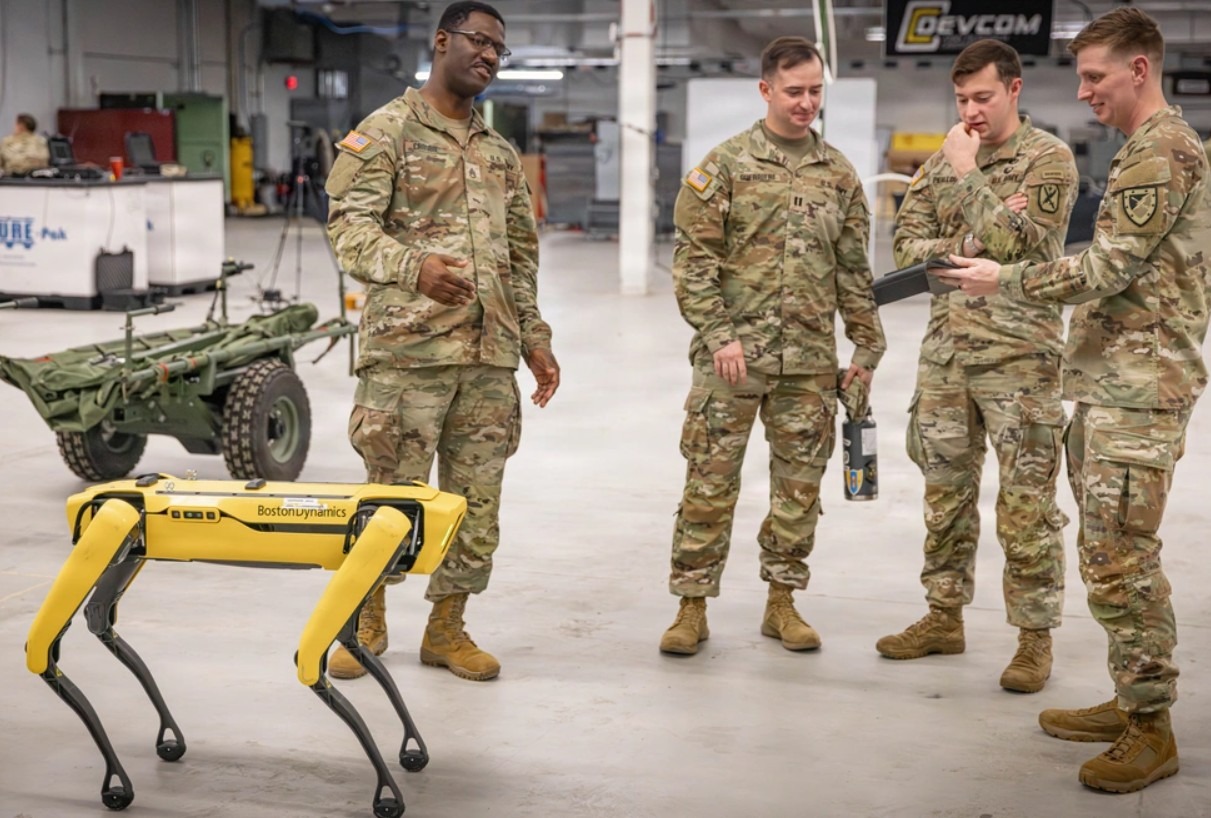
The US Army Maneuver Center of Excellence at Fort Benning has launched the first pilot of the Robotic Autonomous Systems Leader Tactics Course (RASLT), part of the army’s Transforming in Contact initiatives.
The course is designed to prepare officers and senior personnel for operations where robotic and autonomous systems play a central role.
Three pilot sessions are planned for this year, each lasting three weeks and conducted five days per week.
Participants are expected to have completed foundational courses such as the Scout Leader Course, Battle Staff NCO Course, or Maneuver Captain’s Career Course before attending RASLT.
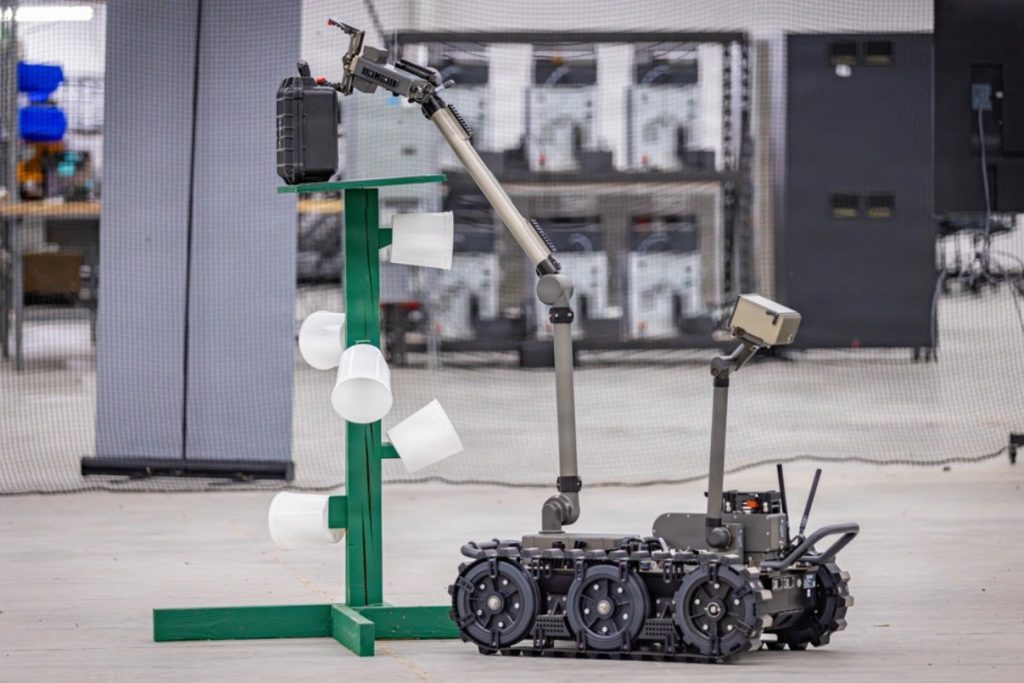
Robotic, Unmanned Systems Integration
The first week introduces participants to autonomous systems and unmanned ground vehicles, concluding with a planning exercise in a simulated mobile brigade combat team environment.
The second week covers small unmanned aircraft systems, electromagnetic spectrum management, and the impact of terrain and weather on operations, ending with a defensive tactical decision exercise.
The third week focuses on leadership, ethics, and integrating robotic and autonomous systems in offensive maneuvers, culminating in a final tactical exercise.
Graduates are expected to understand the capabilities and limitations of these systems and to plan their use in combined arms operations.
Boosting Autonomous Capabilities
RASLT fits into broader US Army efforts to expand the use of autonomous systems and adapt force structures to complex operational environments.
In recent months, Washington has accelerated the fielding and testing of unmanned platforms across multiple domains.
Earlier this month, the US Army selected Swarmbotics AI to develop attritable small unmanned ground vehicles for the 1st Cavalry Division, following the company’s performance at the xTechOverwatch competition.
Separately, the 11th Airborne Division announced plans to expand the use of small unmanned aerial systems in Arctic conditions, including the establishment of manufacturing and training facilities in Alaska and large-scale testing.
These efforts align with broader Pentagon initiatives to accelerate drone production through industry partnerships, relying largely on commercial components to reduce development timelines from several years to under two.