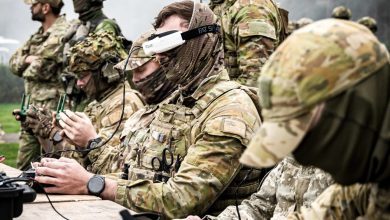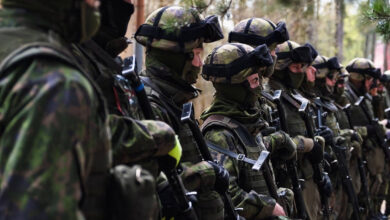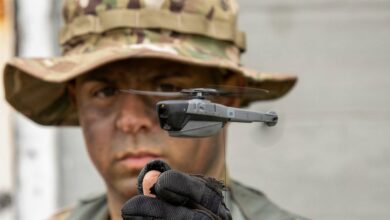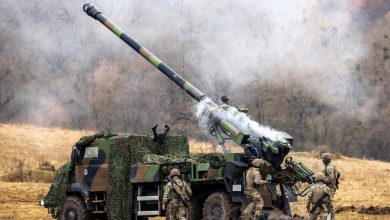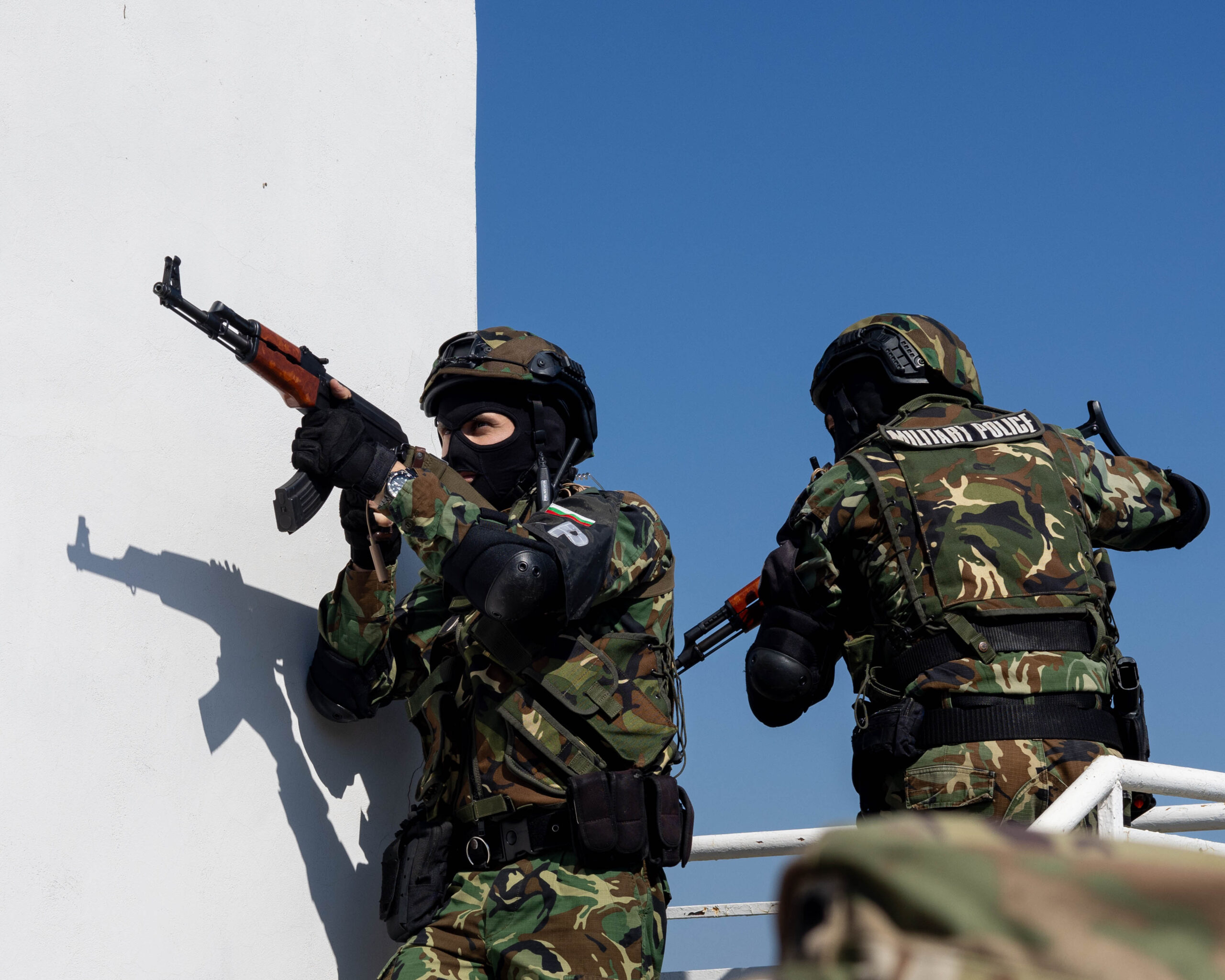
Bulgaria is replacing its Soviet‑era small arms with NATO‑standard systems as part of a broader effort to modernize its army and improve interoperability with alliance forces.
Outgoing Defense Minister Atanas Zapryanov told parliament that the transition away from Russian‑pattern ammunition is already in progress, according to a report by the Bulgarian News Agency.
Priority will be given to the army, special operations forces, and the military police service.
Staggered deliveries of new NATO-compliant weapons are being used to spread costs over time, alleviating budget pressures while steadily phasing out outdated systems.
In support of this shift, Bulgaria is also introducing the US‑made Stryker armored combat vehicles into service. The first batch of 33 vehicles is expected to arrive later this year as part of a larger purchase.
Zapryanov highlighted that achieving full transition to NATO standards is irreversible and will continue as resources allow.
Modernizing the Bulgarian Army
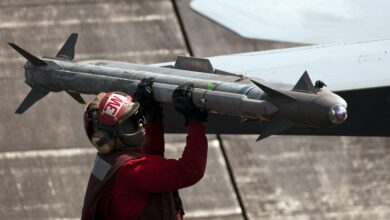
In addition to small arms and armored vehicles, Bulgaria has pursued several big‑ticket defense procurements in the past two years to modernize its forces and enhance interoperability with NATO partners.
In 2023, the US sold at least 183 Stryker combat vehicles to Bulgaria under a $1.5 billion contract.
Complementing land vehicle modernization, the US approved the sale of more than 200 Javelin FGM‑148F anti‑tank guided missiles to Sofia in 2024.
Beyond direct equipment purchases, Bulgaria has also attracted major defense industrial investment.
In October 2025, the government and Germany’s Rheinmetall signed a joint venture to build a new production facility for gunpowder and NATO‑standard 155mm artillery shells, creating roughly 1,000 jobs and significantly boosting ammunition manufacturing capacity.