
Recent deadly clashes in Syria between government forces and Kurdish fighters seek to “sabotage” the peace process between Turkey and the Kurdistan Workers’ Party (PKK), the jailed leader of the Kurdish militant group said Sunday.
PKK leader Abdullah Ocalan, who has led the Turkish peace process from prison, last year urged the group to lay down its weapons and disband after more than four decades of conflict that claimed at least 50,000 lives.
Ocalan “sees this situation (in Syria) as an attempt to sabotage the peace process” in Turkey, a delegation from the pro-Kurdish DEM party said after visiting him in jail on Saturday.
The delegation said Ocalan, held in solitary confinement since 1999, had “reaffirmed his commitment to the process of peace and democratic society”.
The PKK made a similar warning earlier this month, saying the Syria clashes “call into question the ceasefire between our movement and Turkey“.
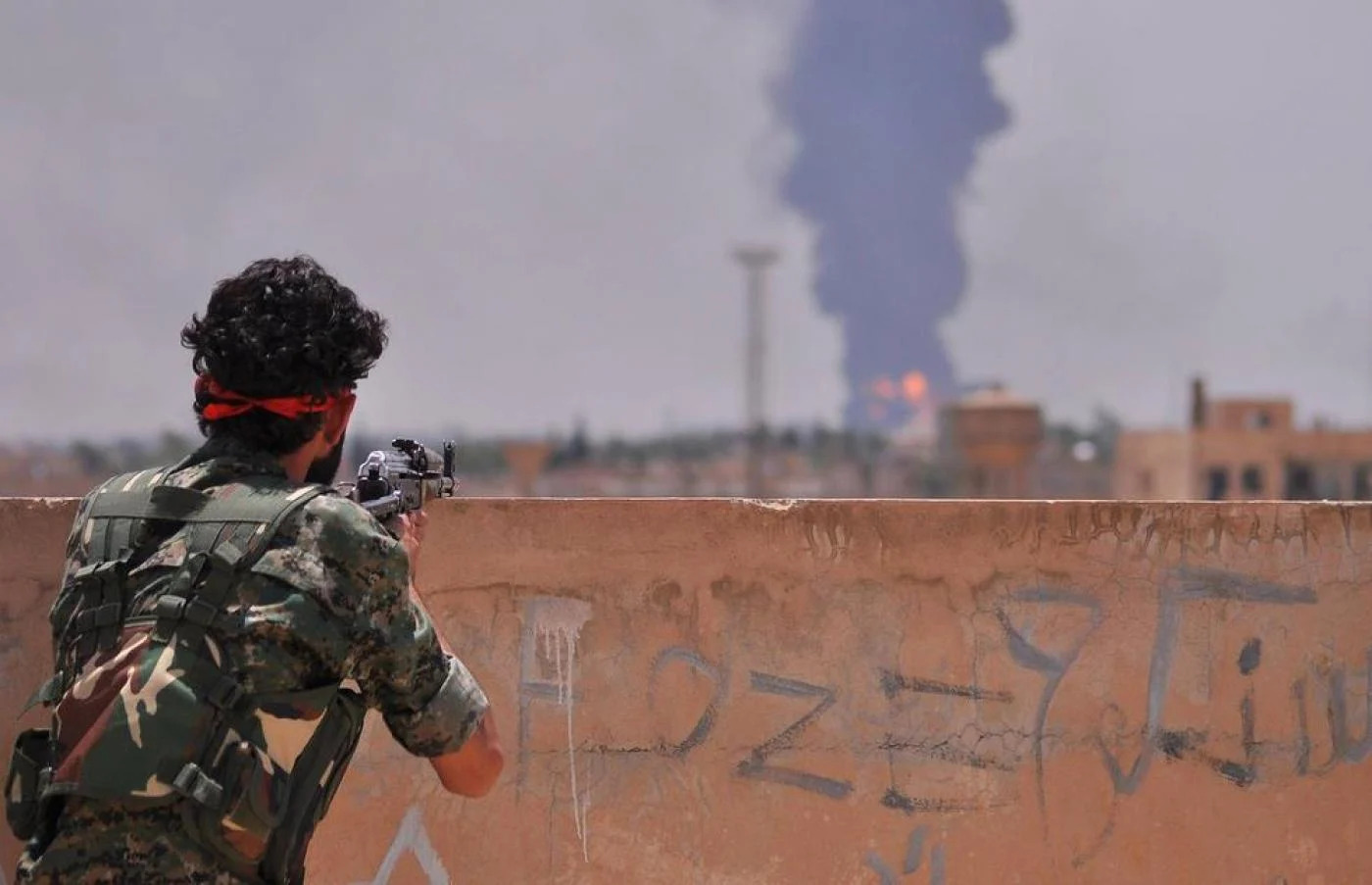
Fighting erupted in Syria after negotiations stalled on integrating the Kurds into the new administration, which took over after the fall of longtime ruler Bashar al-Assad in 2024.
The Syrian army has taken control of swathes of the country’s north, dislodging Kurdish forces from territory where they had enjoyed effective autonomy for more than a decade.
‘Hypocrisy’
The DEM, which is acting as mediator between Ankara and the PKK leader, accused Turkish authorities of “pure hypocrisy” for supporting Syria’s offensive against Kurdish fighters.
“You cannot treat those you call ‘citizens’ on this side of the border as ‘enemies’ on the other,” the DEM said in a statement.
“You cannot be constructive in Ankara and destructive in Syria.”
Turkey, which views Kurdish fighters in Syria as a terror group affiliated with the PKK, has praised Syria’s operation as fighting “terrorist organisations”.
“The attitude of the interim government in Damascus leads to a dead end,” the DEM said, calling the offensive “a threat for regional peace”.
The party urged the Turkish government to “be a force for reconciliation and unity between the parties in Syria, rather than one that fuels the conflict”.
Small gatherings in support of Kurdish fighters in Syria have taken place in recent days in several cities in southeastern Turkey, which has a predominantly Kurdish population.