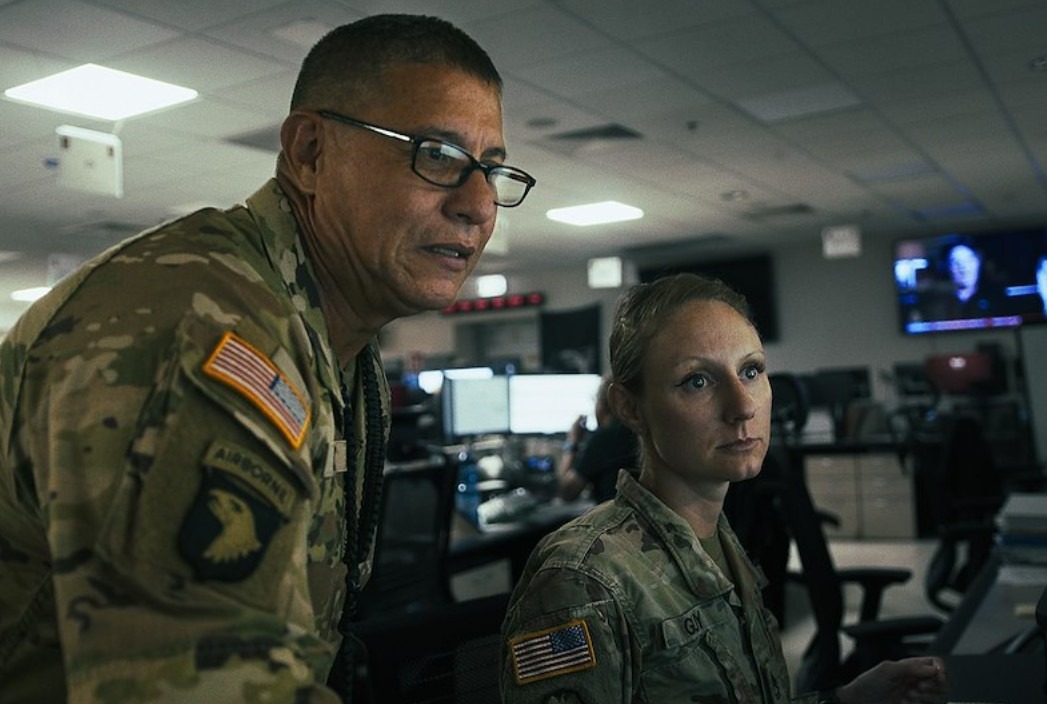

The US Army Southern European Task Force, Africa (SETAF-AF) has launched a new Advanced Capabilities Directorate (ACD) to improve decision-making and accelerate innovation across its operations.
The ACD combines the innovation division and operational data team to evaluate new technologies, test them under realistic conditions, and share results with the US Army leadership, industry partners, and doctrine developers.
With officers and specialists drawn from multiple branches, the team handles operational integration, internal process alignment, outreach to external stakeholders, and support for accelerated procurement.
“Innovation isn’t just about acquiring technology. It’s about the human-technology interface, command and control, and how systems function across complex operations,” stated Lt. Col. Armand L. Balboni, SETAF-AF science and technology advisor and innovation branch deputy.
Future Operations
The ACD will support the 2026 African Lion exercise (AL26), US Africa Command’s largest annual joint exercise, scheduled in April and May this year and involving more than 5,600 personnel from over 30 nations.
During the drill, the directorate will evaluate over 45 systems, including unmanned aerial systems, counter-drone capabilities, and loitering munitions.
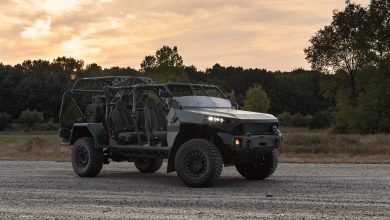
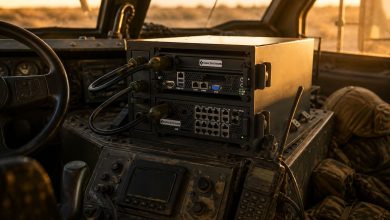
It will also assess autonomous ground systems for breaching and obstacle emplacement, as well as advanced command-and-control architectures that integrate multiple sensors into a common operating picture.
The testing will take place across three types of operations: defending positions, conducting deep strikes, and carrying out counterattacks.
Moreover, the ACD will collect operational data, assess system performance, and update recommendations.
US Army Lt. Col. Nicholas R. Dubaz, innovation branch chief, explained that for many industry partners, the drills will represent “the first time their technology is exposed to real-world operations.”
“Heat, dust, electronic warfare, heavy loads and battlefield chaos each reveal strengths and weaknesses that no lab can replicate,” added Dubaz.
Findings will inform procurement and investment decisions, helping close the gap between technological potential and battlefield reality, and ensuring new capabilities are effective and rapidly deployable in real-world conditions.