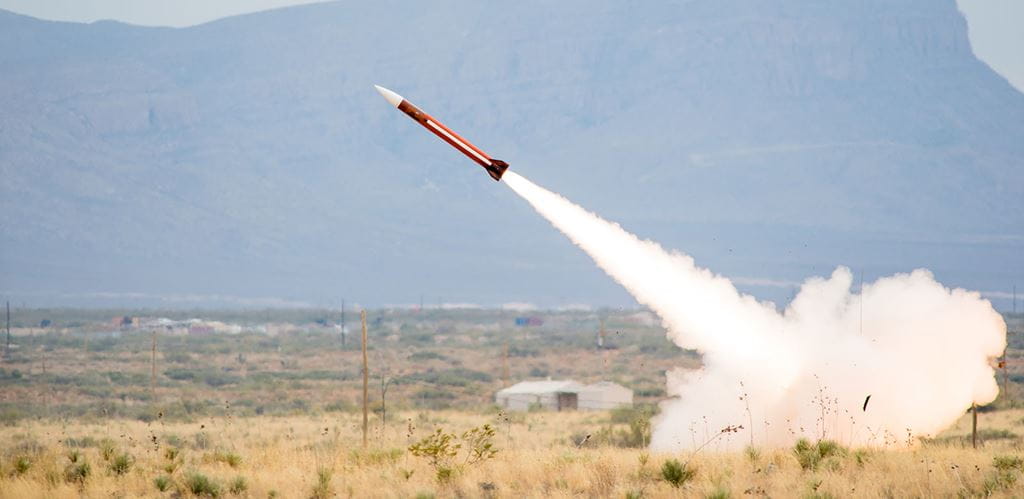
The US has approved an $800-million package to sustain and provide technical support for Kuwait’s Patriot missile program.
The potential foreign military sale, certified to Congress by the Defense Security Cooperation Agency, includes spare and repair parts, missile stockpile management, operator and maintenance training, and technical support from both the US government and contractors.
Shared and country-specific support for Patriot PAC-3 Missile Support Centers is also part of the package.
This support aims to enhance Kuwait’s operational readiness and modernization efforts, ensuring the country can respond effectively to current and emerging threats.
“This proposed sale will support the foreign policy goals and national security objectives of the US by improving the security of a major non-NATO ally that is a force for political stability and economic progress in the Middle East,” DSCA said.
Principal contractors include RTX, Lockheed Martin, Leidos, and KBR, who will deploy representatives to provide technical assistance and familiarization with the systems.
US-Kuwait Defense Relations
This support package follows a series of US-Kuwait collaborations aimed at enhancing the country’s missile defense, aviation, and naval capabilities.
In April 2025, Washington approved a $400-million package to upgrade and recertify Kuwait’s existing Patriot missiles, aimed at improving accuracy and reliability against aerial threats.
In June 2025, the US State Department cleared a $325-million foreign military sale to provide sustainment support for Kuwait’s M1A2 Abrams main battle tank fleet, covering both legacy M1A2 and the newer M1A2K variants with repair parts and logistical support.
Earlier, in October 2022, the Gulf country received American approval for a substantial sale of NASAMS medium‑range air defense systems, including advanced missiles and radar systems valued in the billions, marking one of the largest defense procurements from Washington at the time.