Northrop Grumman has unveiled a new testing system that could slash years off the process of qualifying microelectronics for radiation-heavy environments like space and nuclear facilities.
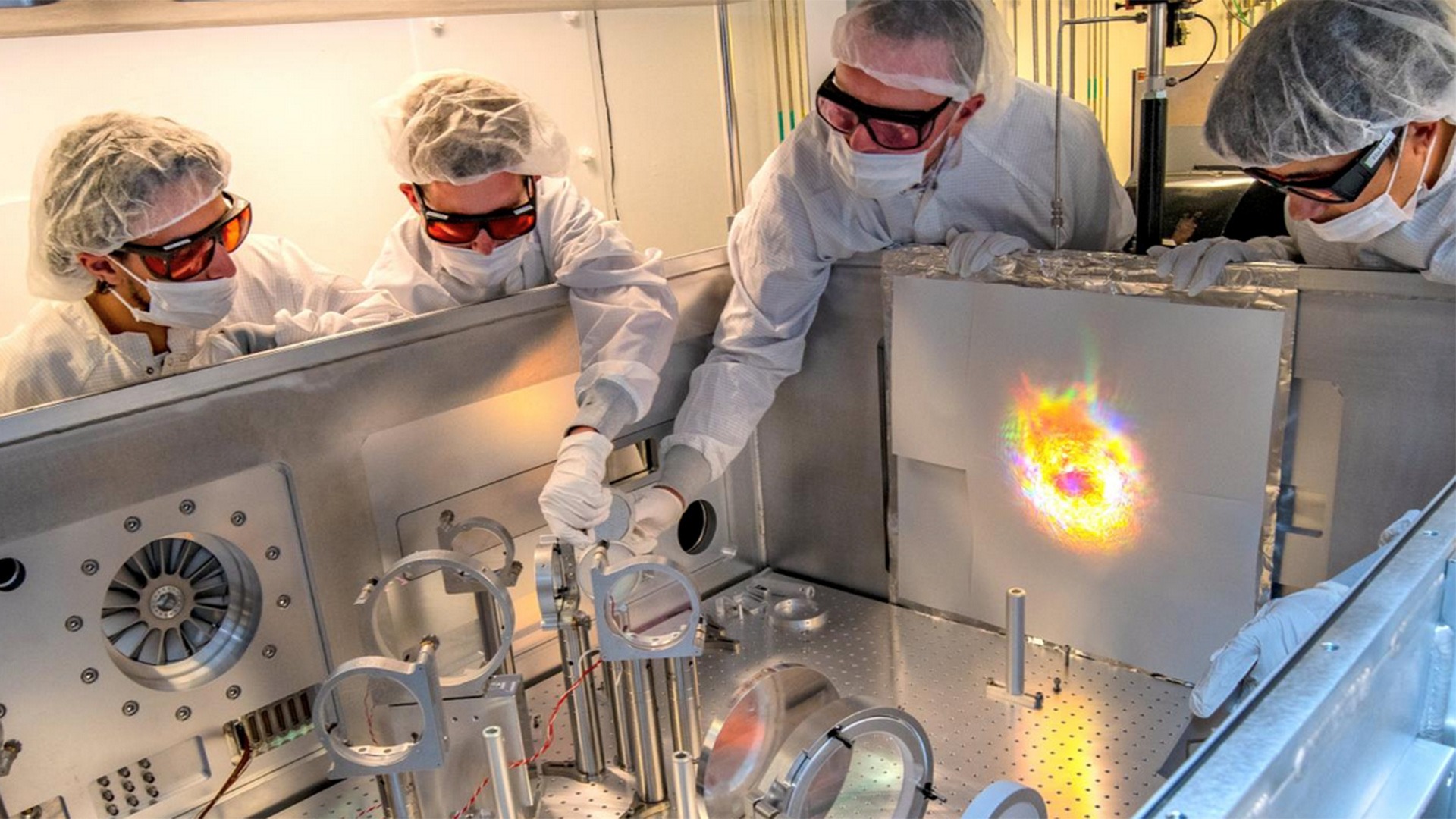
The technology, developed under the Defense Advanced Research Projects Agency’s (DARPA) Advanced Sources for Single-event Effects Radiation Testing (ASSERT) program, allows microelectronics to be tested in a compact, portable laboratory rather than waiting for one of the four heavy-ion radiation facilities in the US.
This breakthrough could reduce testing timelines by a factor of 10, ensuring critical electronics reach operational deployment faster.
Jonathan Green, vice president and chief technology officer at Northrop Grumman Mission Systems, said that “improving these testing capabilities will significantly reduce the lead time on these critical microelectronics, ensuring our customers are receiving the systems they need faster than ever.”
Northrop’s approach simulates randomized radiation conditions that electronics encounter in extreme environments, from orbiting satellites to nuclear control systems.
The system can handle packaged or stacked devices, including 3D-heterogeneous microelectronics, which conventional laser testing methods and surrogate sources cannot currently accommodate.
DARPA’s ASSERT Program
The ASSERT program is focused on revolutionizing how radiation-hardened microelectronics are tested and qualified.
Its goal is to create compact, laboratory-scale alternatives to large, heavily booked heavy-ion facilities, which currently create bottlenecks for space and nuclear electronics programs.
Northrop Grumman has partnered with Vanderbilt University and the Lawrence Berkeley National Laboratory to apply laser plasma accelerator technology to the program.
Recent developments also include successfully demonstrating tests on advanced 3D-stacked and packaged devices — components increasingly used in next-generation satellites, nuclear systems, and national security applications.
The collaboration has also leveraged expertise from Northrop’s Adaptive Optics Associates-Xinetics programs, which previously supported high-precision optical and imaging technologies for space observatories.