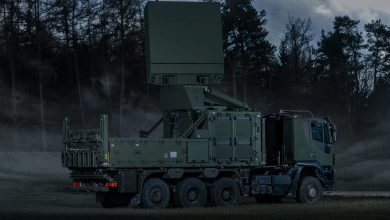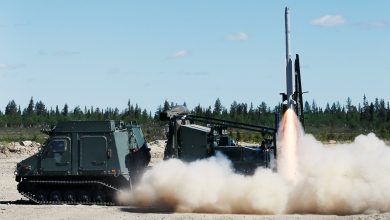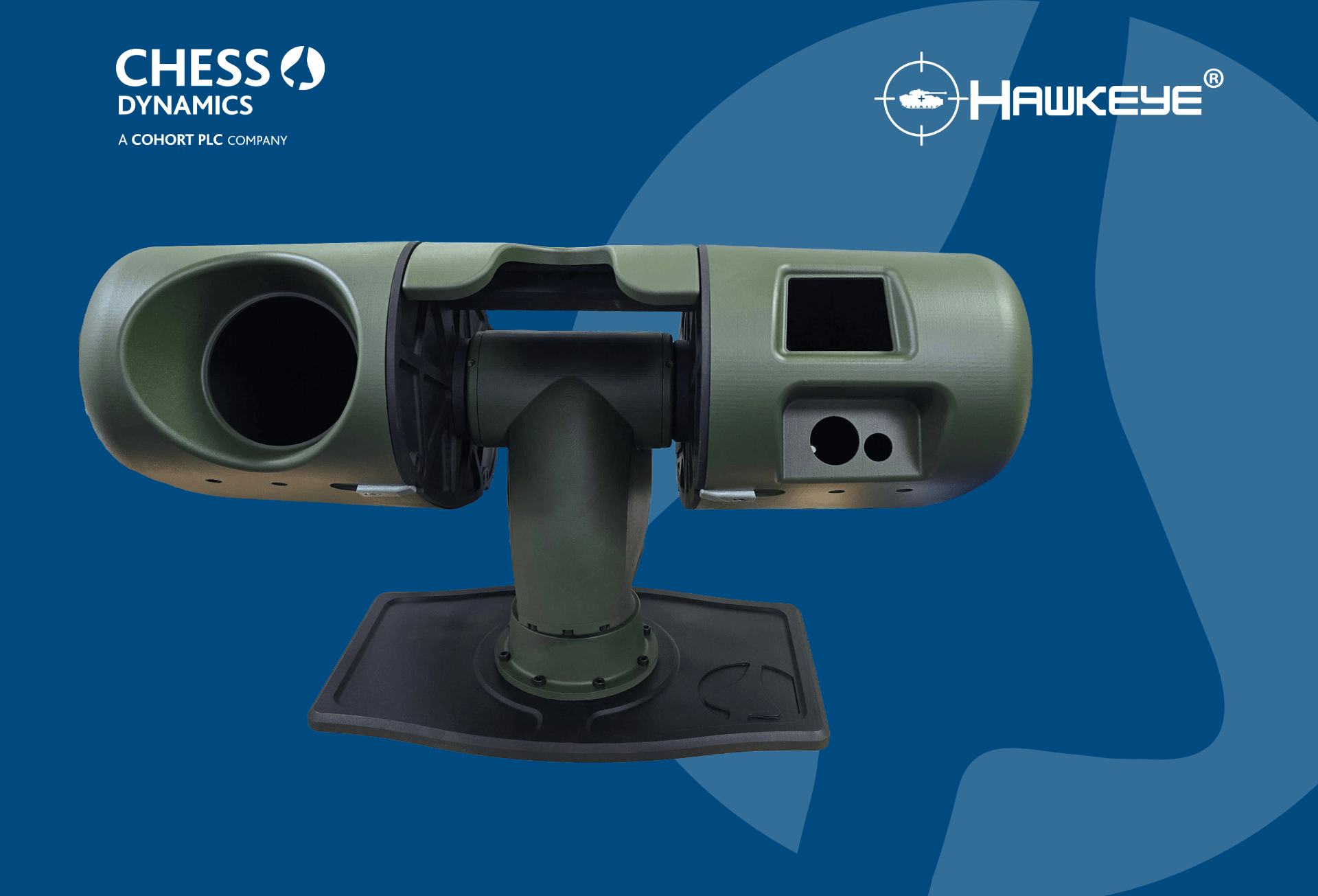
Chess Dynamics has won a 1.4-million-pound ($1.8-million) contract to supply its Hawkeye Electro‑Optical Sensor System (EOSS) for integration into mobile air defense units.
The order, placed by a “prime customer,” will see these units make use of Hawkeye for its high-resolution optical and thermal imaging sensors, advanced AI-enhanced tracking, and precision positioners designed for demanding operational environments.
Rather than relying solely on traditional radar, these systems use Chess’ DEFT AI algorithms to improve long-range detection, identification, and sustained tracking of hostile airborne threats, reflecting the growing emphasis on layered, sensor-rich air defense architectures.
Mark Byfield, Business Development Director at Chess, noted that mobile air defense platforms are increasingly critical, and advanced sensor systems like Hawkeye must keep pace with evolving threats in expeditionary and high-intensity operations.
What Electro‑Optical Sensor Systems Do
EOSS combines high-resolution optical cameras, thermal imaging sensors, and precision motion platforms to detect, track, and identify aerial threats at long ranges.
Unlike radar, EOSS can operate effectively in cluttered environments, such as urban areas or coastal regions, providing detailed visual intelligence to commanders and air defense units.
Modern EOSS integrates AI-enhanced tracking algorithms that maintain continuous target locks, even against fast-moving aircraft, drones, or missiles. The systems often include advanced stabilization, automated target prioritization, and real-time data feeds to mobile command centers, enabling rapid, informed decision-making.