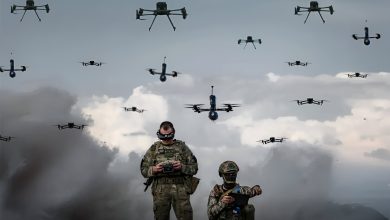
Ukraine has begun deploying privately operated air defense units under a government-backed pilot program, with early operational results reported in the Kharkiv region.
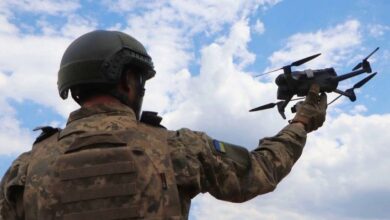
According to Ukrainian officials, at least one participating company has formed its own air defense group, which has already intercepted several incoming drones, including Iranian-designed Shahed systems and Russian Zala unmanned aerial vehicles.
In parallel, 13 additional companies have been authorized by the ministry of defense to establish similar units.
The groups are at different stages of readiness, ranging from active deployment to training and final preparation.
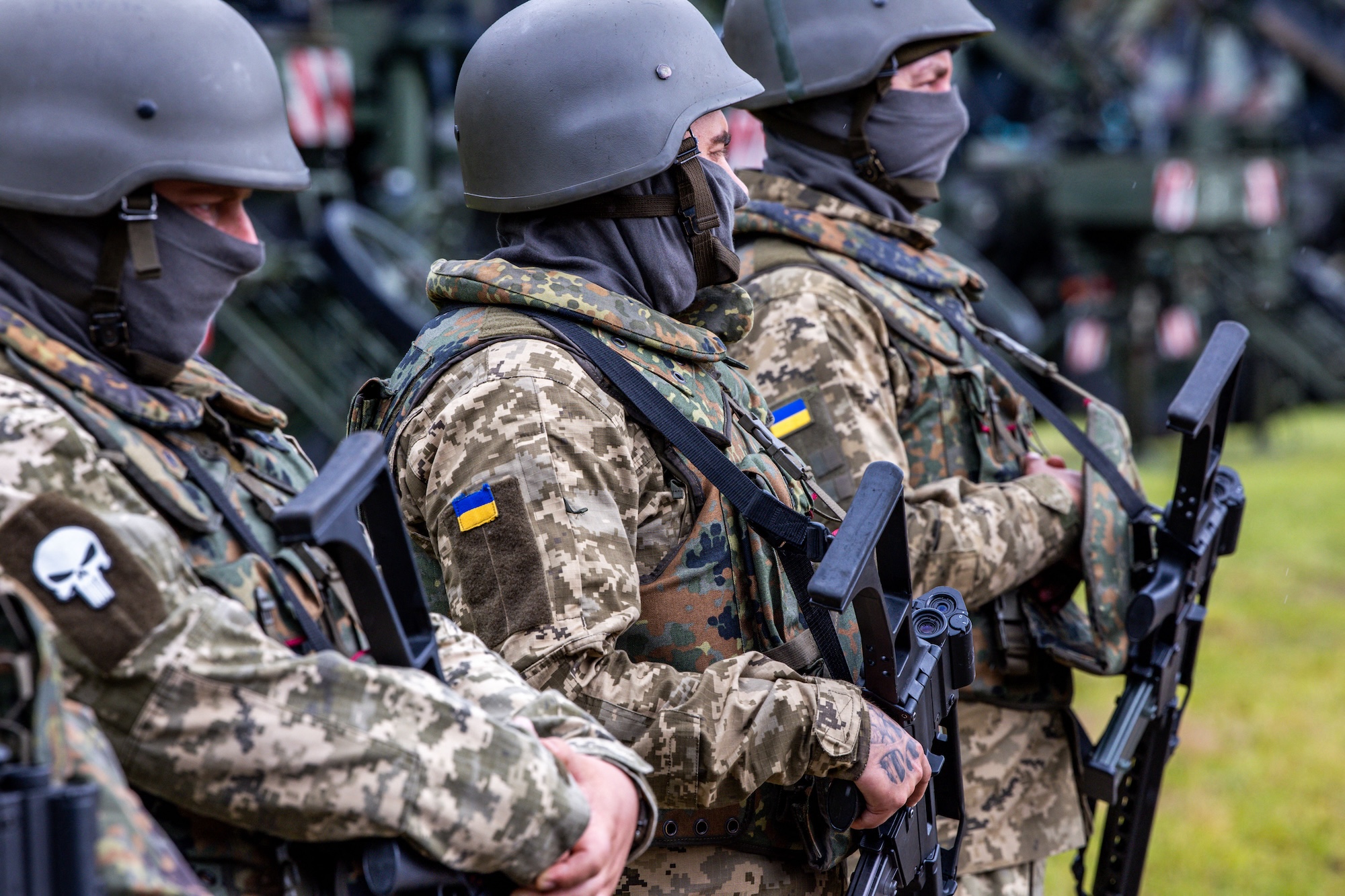
All private air defense units are integrated into the command-and-control framework of the Ukrainian Air Force.
Operating under military coordination, they receive state-provided weapons, and contribute to ongoing interception missions, particularly against one-way attack drones.
The model is designed to scale air defense capabilities more rapidly by leveraging private-sector resources while avoiding additional strain on frontline forces.
It also introduces a structured role for companies to protect critical infrastructure through dedicated air defense units.
The initiative is part of a broader effort to expand air defense capacity beyond traditional military structures, developing a layered system that integrates state and privately operated units to enhance coverage and response times.
Kyiv Steps Up Attacks
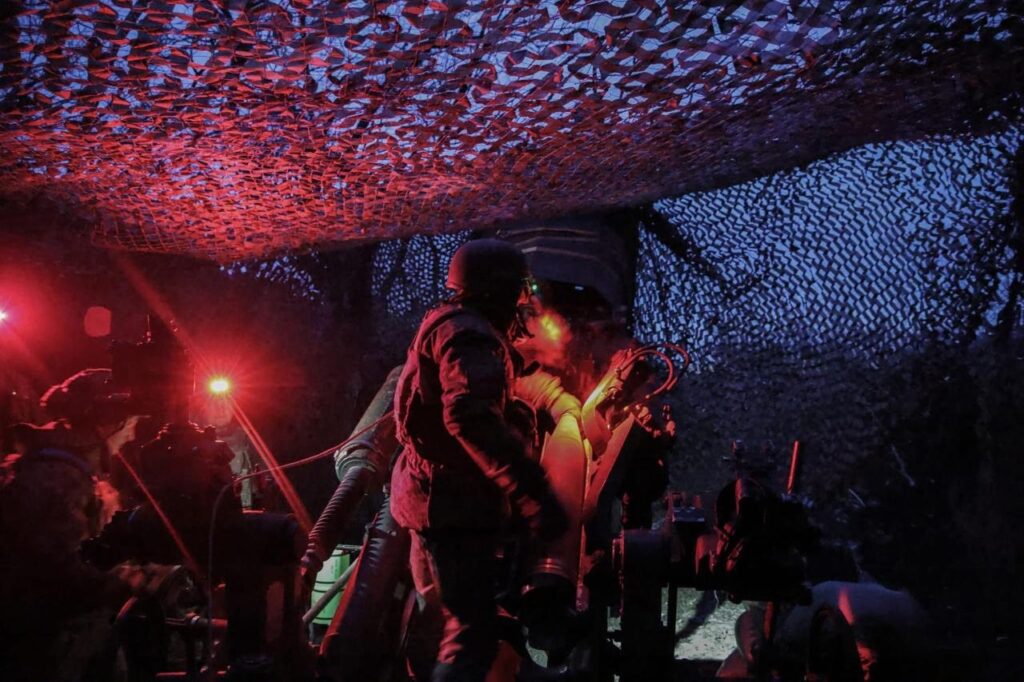
As Ukraine moves to reinforce its own defenses, it is also expanding strikes on Russia’s infrastructure.
Ukrainian drone strikes have recently targeted the Russian port of Ust-Luga on the Gulf of Finland, a key export hub for oil, coal, and fertilizers.
Earlier in the week, a Ukrainian drone attack on Russia’s port city of Taganrog left one person dead and eight injured.
At the diplomatic level, US-supported diplomatic efforts between Moscow and Kyiv remain stalled, with no significant breakthroughs in recent months.