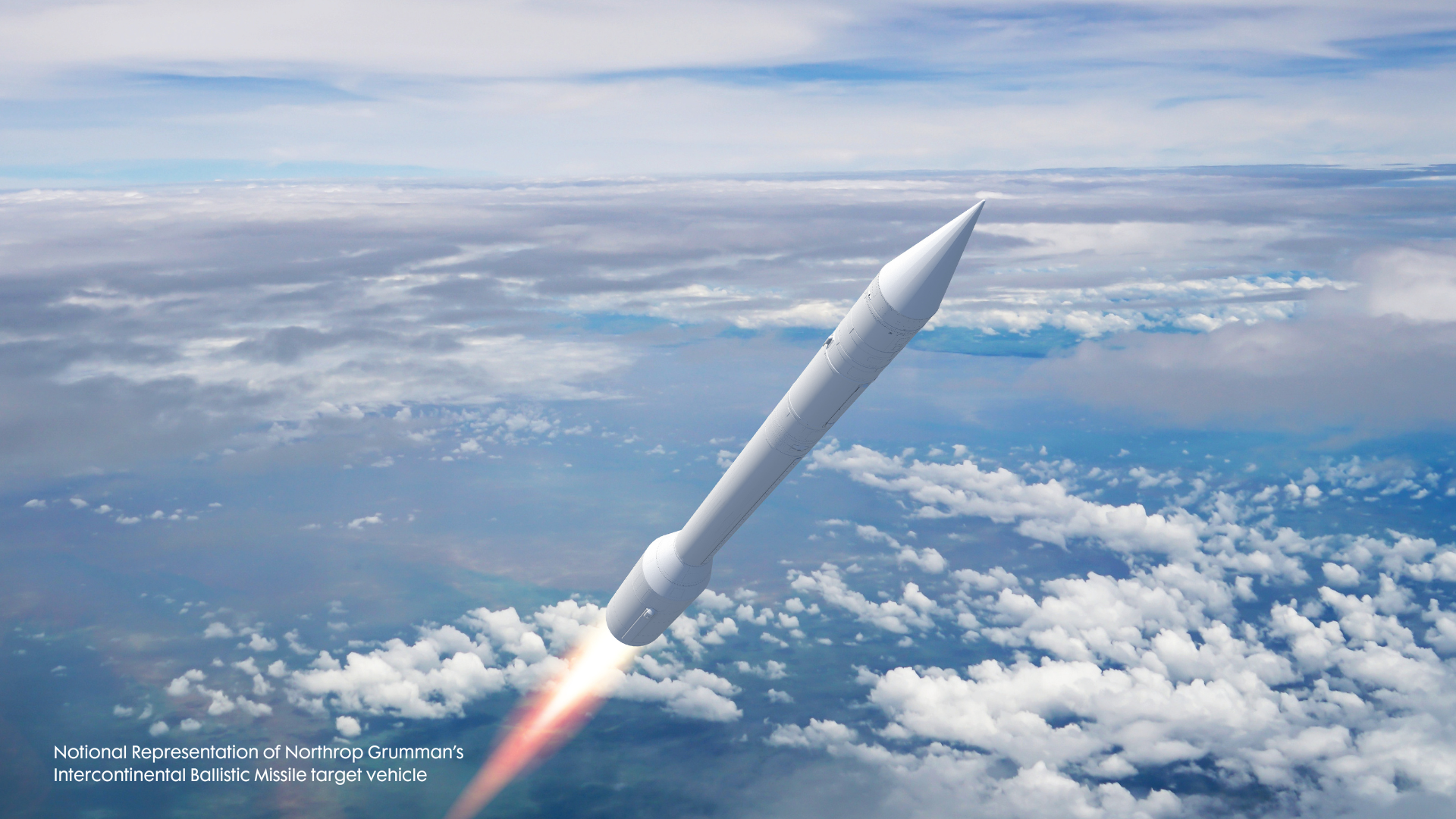
Northrop Grumman carried out the first launch of its digitally redesigned intercontinental ballistic missile (ICBM) target vehicle, a step aimed at improving how the US tests missile defenses against advanced threats.
This test marked the debut of the company’s latest offering, developed to better replicate long-range ballistic missile profiles used in Missile Defense Agency flight tests.
It met all performance objectives and used a decommissioned Peacekeeper ICBM second-stage motor supplied by the Space Force’s Rocket Systems Launch Program.
The Missile Defense Agency uses ICBM target vehicles to validate systems such as the Aegis Ballistic Missile Defense System and Ground-Based Midcourse Defense.
Northrop has delivered 27 such targets since 2011 and supported 12 successful launches.
Unlike earlier generations, the redesigned target was built using a digital-first approach. Northrop said the use of digital tools reduced field execution by 25 percent during Pathfinder operations, while also improving operational safety and integration ahead of launch.
Engineers relied on a digital twin to keep manufacturing, testing, and integration aligned with the physical vehicle throughout development.
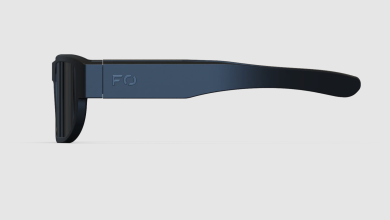
Virtual reality pathfinders were used to rehearse factory integration and stacking before hardware was assembled, allowing teams to resolve issues earlier in the process.
Augmented reality was also introduced during interstage integration, cutting mechanical assembly time and reducing the risk of errors.
Robin Heard, director of targets and interceptors at Northrop Grumman, said embedding digital technologies across the redesign streamlined operations and improved cost efficiency for future missile defense test missions.
Missile Redesign Efforts
Beyond Northrop Grumman’s digital overhaul of its ICBM target vehicle, US missile programs have increasingly embraced digital redesign and modernization to keep pace with evolving threats.
Lockheed Martin’s Next Generation Interceptor, a key component of the Missile Defense Agency’s Ground‑Based Midcourse Defense system, completed a digital All Up Round Preliminary Design Review in 2023, using advanced digital engineering and model‑based tools to validate its design and accelerate progress toward detailed design.
Similarly, Northrop Grumman’s own ICBM target redesign has been part of a multi‑year shift toward more capable and adaptable test vehicles.
The program replaced legacy propulsion hardware with an updated SR119 first stage and has incorporated virtual and augmented reality tools for integrated factory planning.