The US Navy’s Conventional Prompt Strike (CPS) is reshaping how the military thinks about speed, reach, and deterrence.
CPS pairs advanced hypersonic missiles with submarines and surface ships to hit high-value targets — or assets whose destruction or disruption would have an outsized military or strategic impact — anywhere in the world within minutes instead of hours.
The result is a new class of non-nuclear, ultra-fast strike capability that can penetrate modern defenses and respond to emerging threats almost instantly.
Why CPS Exists
CPS was created to solve a simple problem: how to hit critical targets anywhere in the world very quickly, without using nuclear weapons.
It grew out of the broader Prompt Global Strike concept, which aims to give military commanders a fast, conventional option against time-sensitive or heavily defended threats.
Instead of waiting hours or days to deploy aircraft or ships into position, CPS is designed to respond in minutes to hours. This speed helps counter fleeting targets, complicates an adversary’s planning, and fills the gap between traditional conventional strikes and nuclear options.
To do that, CPS focuses on extreme speed (greater than Mach 5), long range, and the ability to maneuver around defenses.
How the System Works
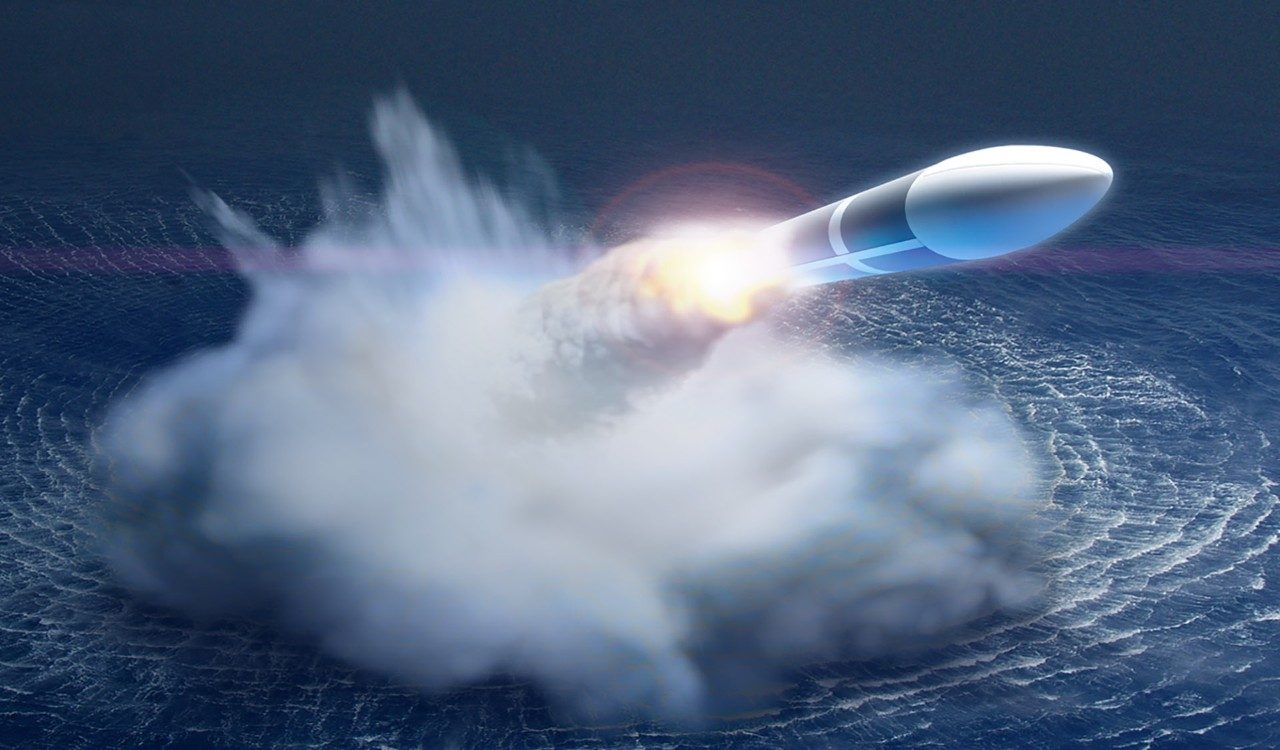
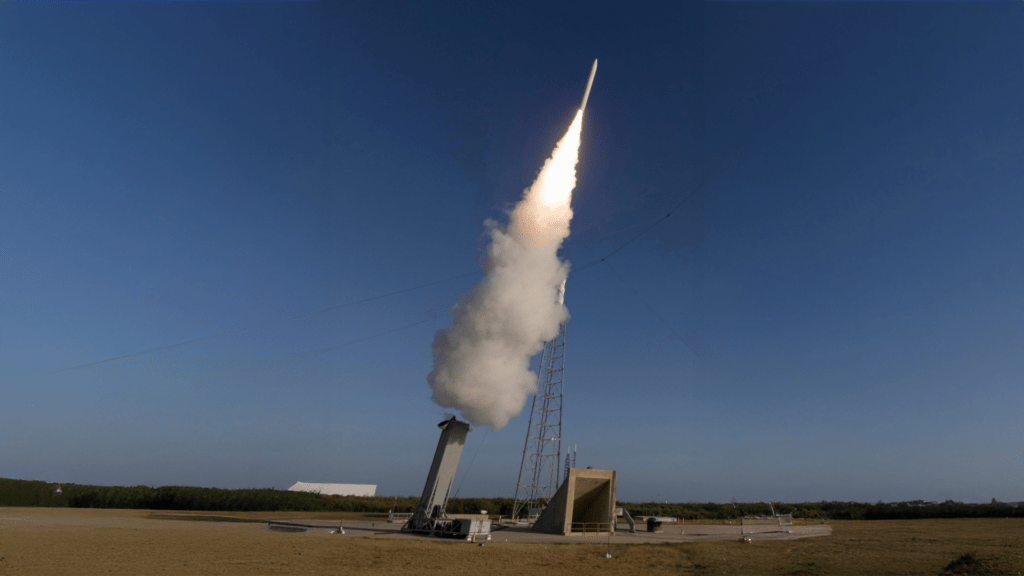
CPS uses a shared design called an all-up-round, meaning the missile is built as a single, integrated unit. It consists of a two-stage solid rocket booster and a hypersonic glide vehicle, known as the Common Hypersonic Glide Body.
The rocket booster launches the weapon, giving it speed and altitude. Once that phase is complete, the glide body separates and flies toward its target at hypersonic speed, using onboard guidance and control surfaces to steer while enduring extreme heat.
A key feature of CPS is commonality. The same glide body design is used by both the US Navy’s CPS and the US Army’s Long-Range Hypersonic Weapon (Dark Eagle).
Sharing technology helps reduce costs, speeds development, and simplifies future upgrades. Flight tests so far have provided critical data to refine performance and reliability.
Platforms and Integration
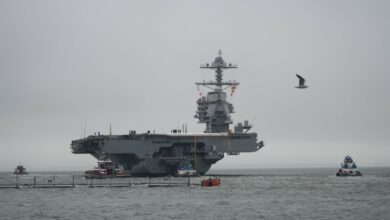
The US Navy plans to deploy CPS on both surface ships and submarines. Early work has focused on the Zumwalt-class destroyers, which are being modified with large vertical launch tubes to accommodate the missile.
In later phases, CPS is expected to be integrated onto Virginia-class attack submarines and potentially other platforms.
This integration effort goes beyond simply fitting the missile into a launcher; it includes fire-control systems, safety procedures, and ensuring launches do not interfere with ship operations or signatures.
Joint testing between the US Navy and industry partners is ongoing to validate the system at sea.
Operational and Policy Challenges
Hypersonic weapons are extremely difficult to build and operate. CPS must withstand intense heat, maintain precise guidance during extreme-speed maneuvers, and ensure reliable separation between rocket stages and the glide vehicle.
Beyond technical hurdles, CPS also faces cost, testing, and production challenges. Hypersonic systems are expensive, and frequent testing is needed to mature the technology.
There are also political concerns since a hypersonic launch could be misinterpreted by other nuclear-armed states as a nuclear attack, even if the weapon carries a conventional warhead.
This risk has forced planners to carefully consider launch profiles, command authority, and transparency measures.
Strategic Impact and Outlook
If fully fielded, CPS would give the United States a powerful new tool that shortens the time between decision and impact while making it harder for adversaries to defend against or predict attacks.
Looking ahead, CPS will continue to evolve through testing, improved materials, better guidance systems, and careful policy coordination.
Ultimately, CPS is not just a new missile — it represents a shift in how quickly and precisely the US can respond to emerging threats, balancing cutting-edge technology with strategic caution.