The US Air Force successfully deployed its new Tactical Operations Center – Light (TOC-L) across multiple Indo-Pacific locations last summer, testing both mobility and operational readiness in a first-of-its-kind exercise.
The drill, part of a broader Department Level Exercise series, involved transporting two TOC-L kits from Tinker Air Force Base in Oklahoma to Misawa and Yokota Air Bases in Japan, while a third system stationed in Guam supported operations there.
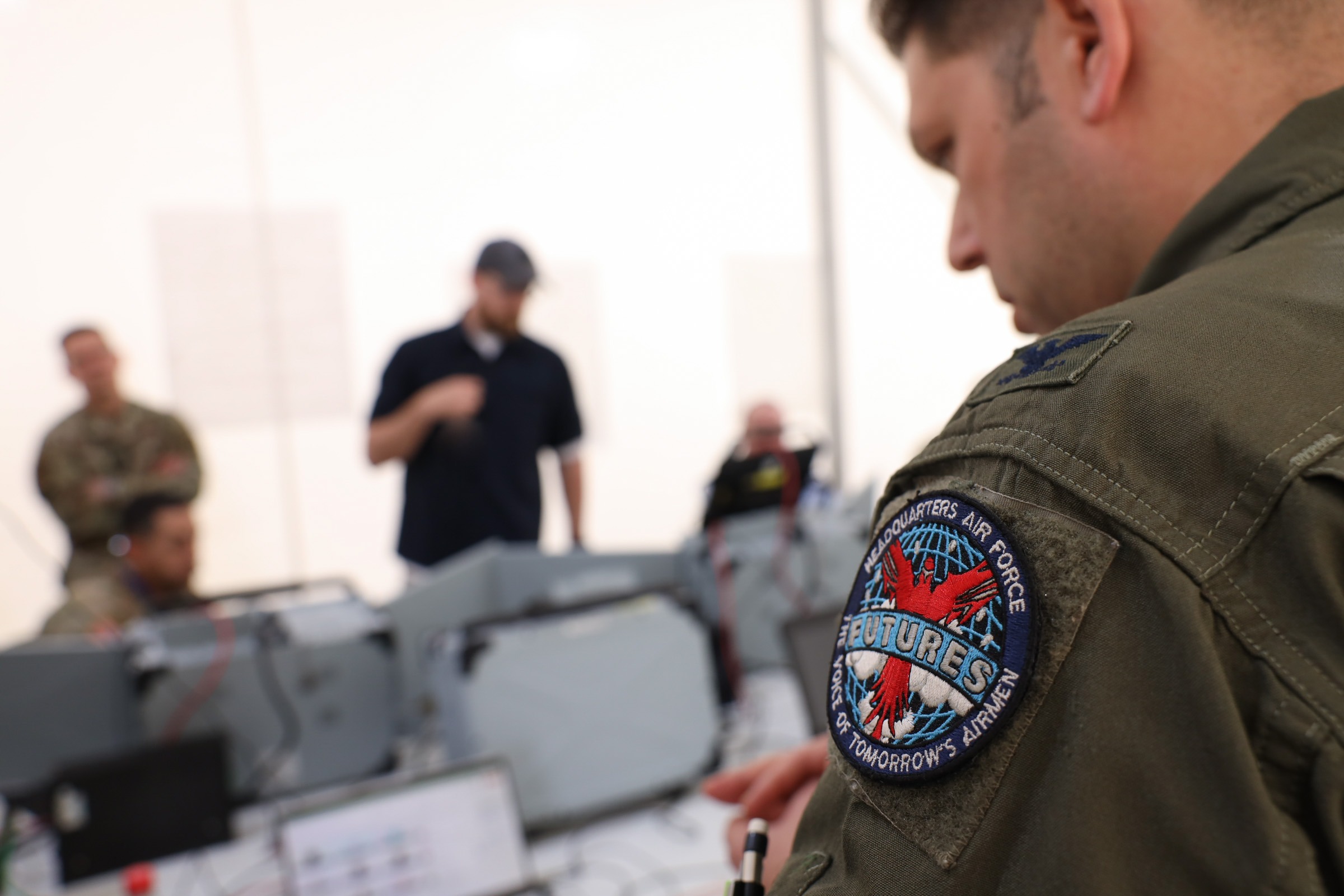
Personnel successfully connected the portable command kits to aircraft, other C2 agencies, and leadership at multiple locations, demonstrating the system’s ability to integrate and fuse data from diverse sensors and radars into a common operating picture.
US Air Force officials described to DefenseScoop the deployment as a first-of-its-kind movement for ground-based C2 systems, highlighting both logistical achievements and areas for improvement under the service’s Agile Combat Employment (ACE) strategy.
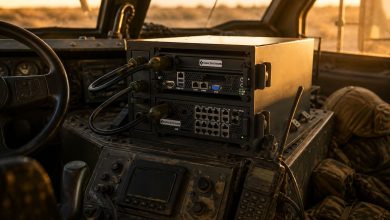
TOC-L is designed as a lightweight, mobile battle management system that can quickly establish command and control in dispersed locations.
Unlike traditional ground-based centers such as the Control and Reporting Center, TOC-L can fuse hundreds of data streams from radars and sensors to provide a consolidated air picture, improving decision-making for distributed forces while maintaining a smaller footprint that is easier to move in austere environments.
TOC-L
The air force is now developing iterations of TOC-L, with Major Release 2 under development by Booz Allen Hamilton.
It is expected to incorporate lessons from the exercise, including enhancements in size, weight, power, and sensor connectivity. The next version is slated for testing during the 2026 Valiant Shield exercise, where it will undergo further evaluation in distributed and multi-national operational contexts.
TOC-L is part of a larger shift toward more agile, distributed command-and-control solutions that support ACE, a concept designed to operate from geographically dispersed sites rather than centralized bases vulnerable to attack.
Recent developments also include experiments integrating TOC-L with allied sensor networks, such as connecting to Japan’s air picture, and testing rapid plug-and-play capabilities with a variety of radar and intelligence systems.