US Army Begins Training With VXE30 Stalker UAS

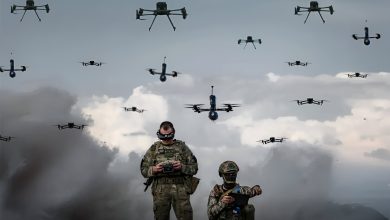
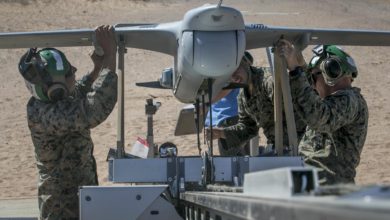
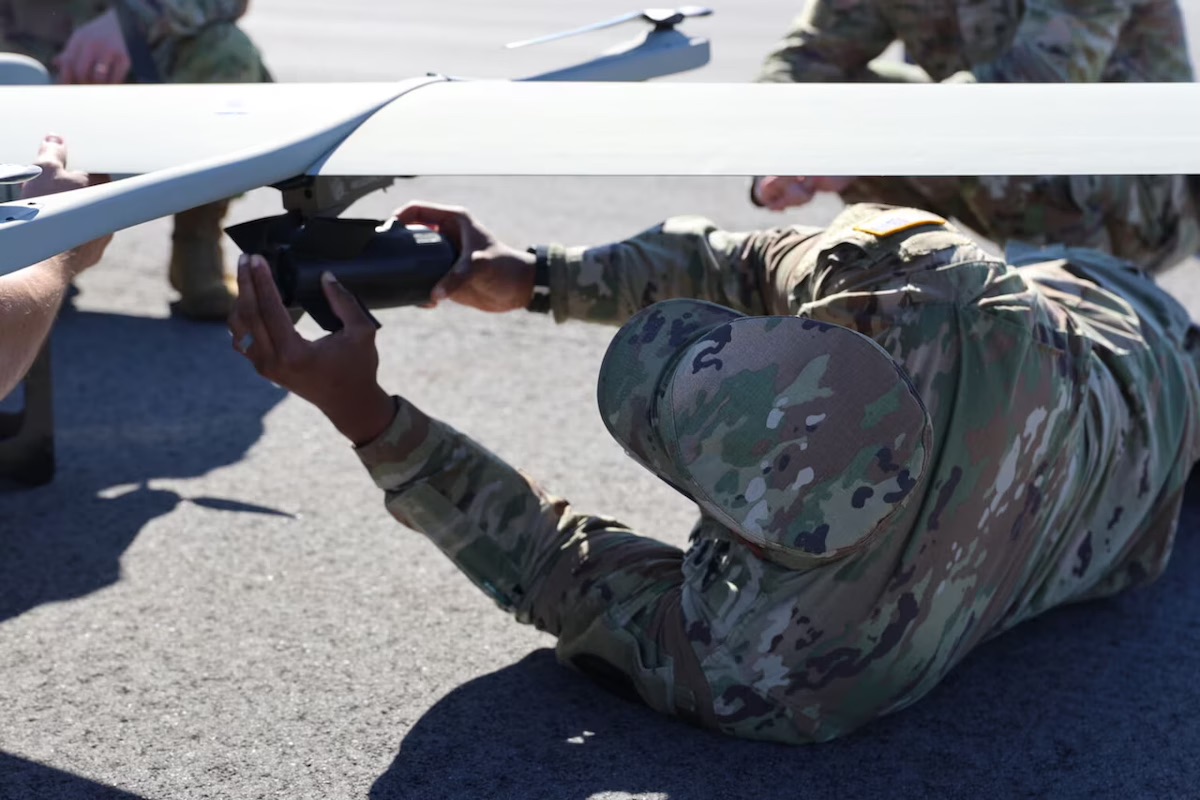
The US Army’s aviation soldiers have started training with the VXE30 Stalker uncrewed aircraft system (UAS), marking the service’s “first time in years” using a Group 2 drone for an army course.
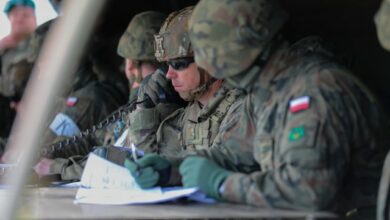
Training kicked off on November 18 at Fort Rucker, Alabama, ahead of equipment fielding in December, when battalion and brigade units will be able to deploy the system for tactical missions.
It represents a milestone in the army’s layered reconnaissance strategy.
“This is the first time in years that we will be utilizing a Group 2, almost Group 3 size UAS in support of an Army course at Fort Rucker, since before the Shadow was really employed,” noted Army Maj. Wolf Amacker, UAS and Tactics Branch chief of the Army Aviation Center of Excellence’s Training and Doctrine Directorate.
Group 2 drones, based on the Pentagon’s classification, have a takeoff weight of between 21 and 55 pounds (9.5 to 25 kilograms), fly at speeds below 250 knots (463 kilometers/288 miles per hour), and operate below 3,500 feet (1,067 meters).
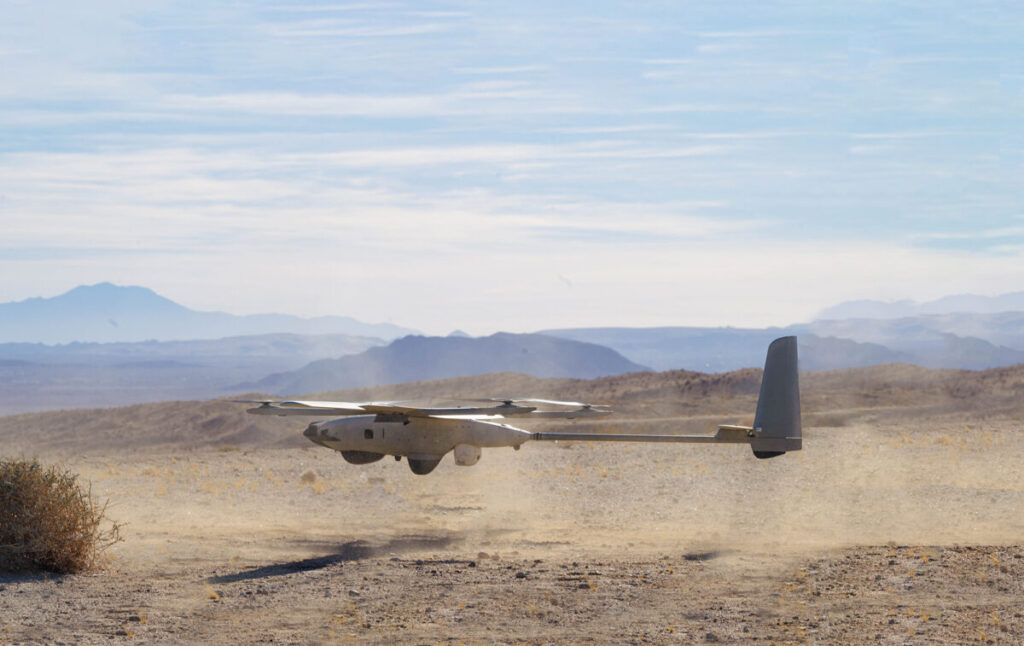
VXE30 Stalker
Using observations on the modern battlefield, Redwire subsidiary Edge Autonomy built the VXE30 Stalker with a vertical takeoff and landing capability, as well as a reduced visual and acoustic signature.
The UAS works with the US Army’s Common Lethality Integration Kit, which lets operators choose from different warheads directly at the point of use.
The kit supports both new purpose‑built payloads and existing munitions — such as 81mm mortar rounds — giving soldiers a flexible and cost‑effective set of strike options.
Moreover, the Stalker is designed with a modular open systems approach and with a cost-effective process that enables rapid reproduction.
“Instead of a Hellfire missile costing $100,000 to $150,000 per round, this solution costs about $800,” said Army Maj. Rachel Martin, director of the Air Cavalry Leaders Course and Unmanned Advanced Lethality Course.
Meanwhile, Amacker said that the army is also seeking ways to print the training rounds in-house and leverage commercial technology to meet the service’s requirements more quickly and affordably, while expanding learning opportunities.
In July, the Stalker was added to the Blue UAS list, which is the Pentagon’s official roster of approved and secure drones that military units and federal agencies are allowed to buy and operate.
The month after, the US Army selected the VXE30 for the Long Range Reconnaissance program prototype phase agreement.