The University of Texas at Arlington (UTA) has launched a study to protect and regenerate muscle tissue damaged by blast injuries, a common hazard for military personnel.
The 20-month project, led by UTA Graduate Nursing Professor Dr. Zui Pan, will focus on tissue loss caused by ischemia, when blood flow is temporarily cut off, and severe reperfusion, which occurs when flow is suddenly restored.
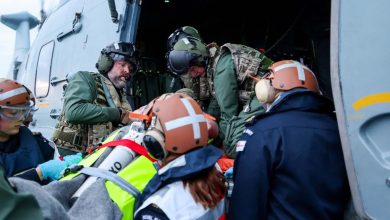
“To save lives and stop bleeding, we often use a tourniquet or bandage to stop blood flow to the affected area,” Pan said.
“When the bandage or tourniquet is removed, the blood rushes back into the area. This brings oxygen back, but it can actually cause more tissue damage. Our goal is to find ways to reduce this secondary damage.”
Testing Zinc-Infused Gel
Zinc, known to support cell growth, protein production, enzyme activity, immune function, and protection against oxidative stress, plays a key role in muscle regeneration and will serve as the study’s potential solution.
It will be integrated with a compound called gelatin methacryloyl, a Food and Drug Administration-approved semi-synthetic material made from a protein in collagen, to evaluate effectiveness in promoting muscle repair.
Pan cautioned that improper dosing of zinc can be toxic and worsen tissue damage, but assured that the effort aims for a safe, targeted method to administer it directly to muscle tissue.
For Defense, Civilian Use
Explosions have historically caused a large share of combat injuries. In 2016 Department of Veterans Affairs data, experts found that 74 percent of all combat injuries between 2001 and 2011 were caused by blasts.
Pan explained that while the UTA research focuses on treating injured soldiers, the findings could eventually help civilians recovering from car accidents, sports injuries, or natural disasters.
Related processes will be facilitated through the UTA System’s Trauma Research and Combat Casualty Care Collaborative (TRC4), created to address critical needs in trauma care on both the battlefield and in civilian settings.