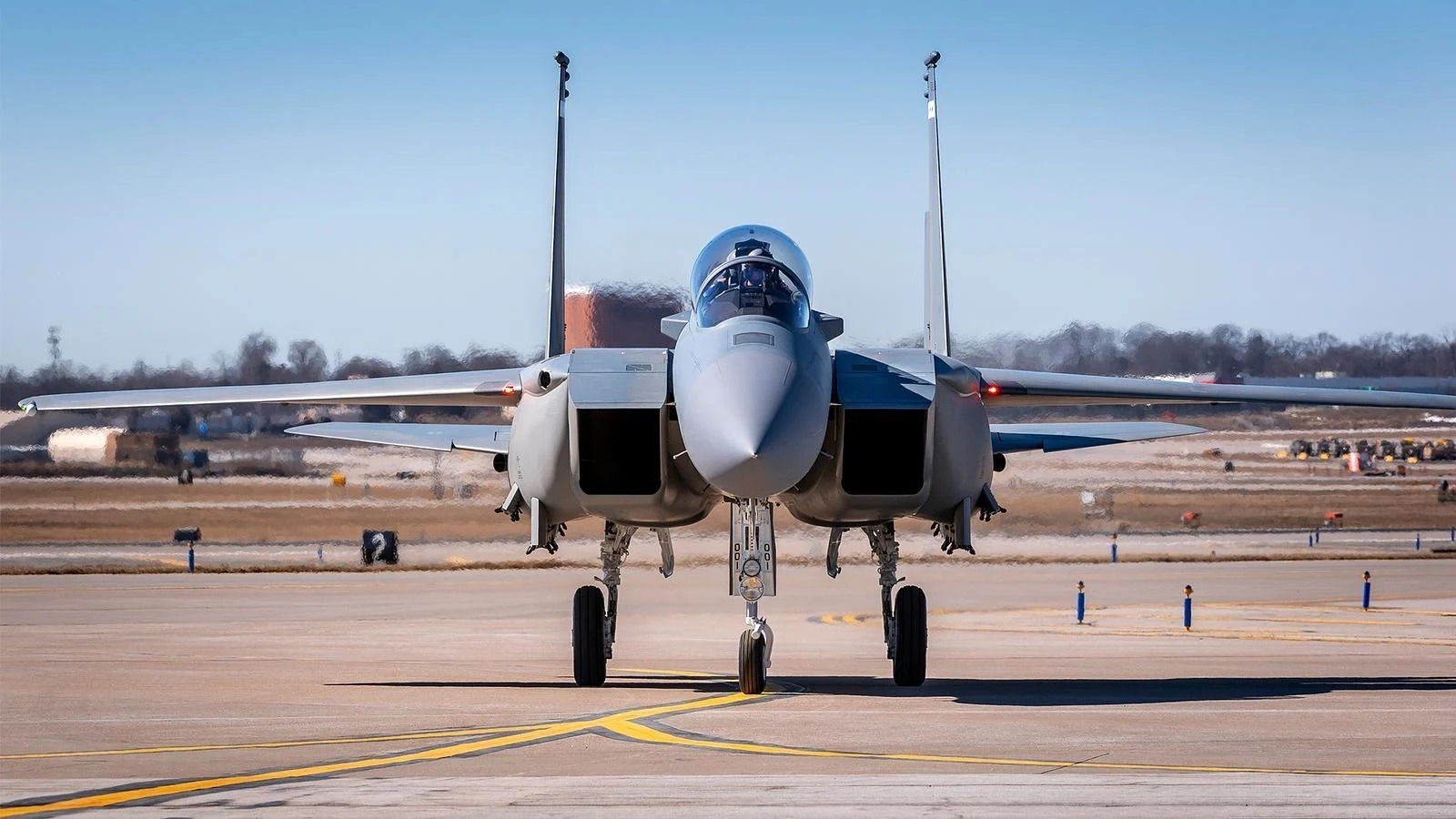
A pilot program between Boeing and the Defense Logistics Agency (DLA) has shown that military aircraft parts can reach units months faster than under the traditional process.
The Rapid Delivery Release model bypasses the usual proposal-and-award cycle by pre-selecting high-demand parts and giving Boeing immediate authority to fulfill orders once demand arises.
In its first trial, parts for US Air Force F-15s arrived on dock significantly earlier than expected, validating the approach for urgent needs, including “aircraft on ground” situations.
Boeing and DLA said the process not only improves speed but also provides a framework for responding to surge requirements across multiple platforms.
Early feedback from the customer highlights smoother internal workflows and quicker access to critical components, signaling a potential shift in how military supply chains handle high-priority parts.
Ian Fairless, DLA Program Senior Manager, said that “the next step is continuing the platform-by-platform kickoff and expanding support with a larger part list.”
Global Efforts to Speed Military Supply Chains
Beyond Boeing, other nations and organizations are experimenting with ways to accelerate military logistics.
NATO has invested in multinational supply hubs to reduce delivery times across Europe, while the UK’s Defence Equipment and Support agency uses predictive analytics to pre-position spare parts for aircraft and armored vehicles.
In Asia, Japan has adopted modular supply depots that allow rapid deployment of parts to remote bases, cutting lead times during crisis scenarios.
Commercial logistics practices are also influencing military operations, with advanced tracking, automated warehouses, and strategic airlift agreements helping forces worldwide maintain readiness.