When a Helmet Becomes a Hub: Galvion’s Vision for the Digital Battlefield

At this year’s AUSA expo in Washington, DC, defense technology innovator Galvion showcased its CORTEX line — a modular system that turns combat helmets into connected data and visualization platforms.
While the protective capabilities of helmets remain essential, the company is now extending that foundation to incorporate advanced electronics and visualization capabilities that enhance both lethality and survivability for individual warfighters.
“CORTEX is intended to make your helmet smarter and to bring some electronics and visualization capability to the helmet platform itself,” explained a Galvion representative.
“So going beyond the protective nature of a helmet — which is, of course, essential — now we’re looking at how to bring data and visualized information into it to either enhance lethality for the individual warfighter or improve protectiveness, in the sense of understanding where your threats are.”
CORTEX Echo: The First Generation
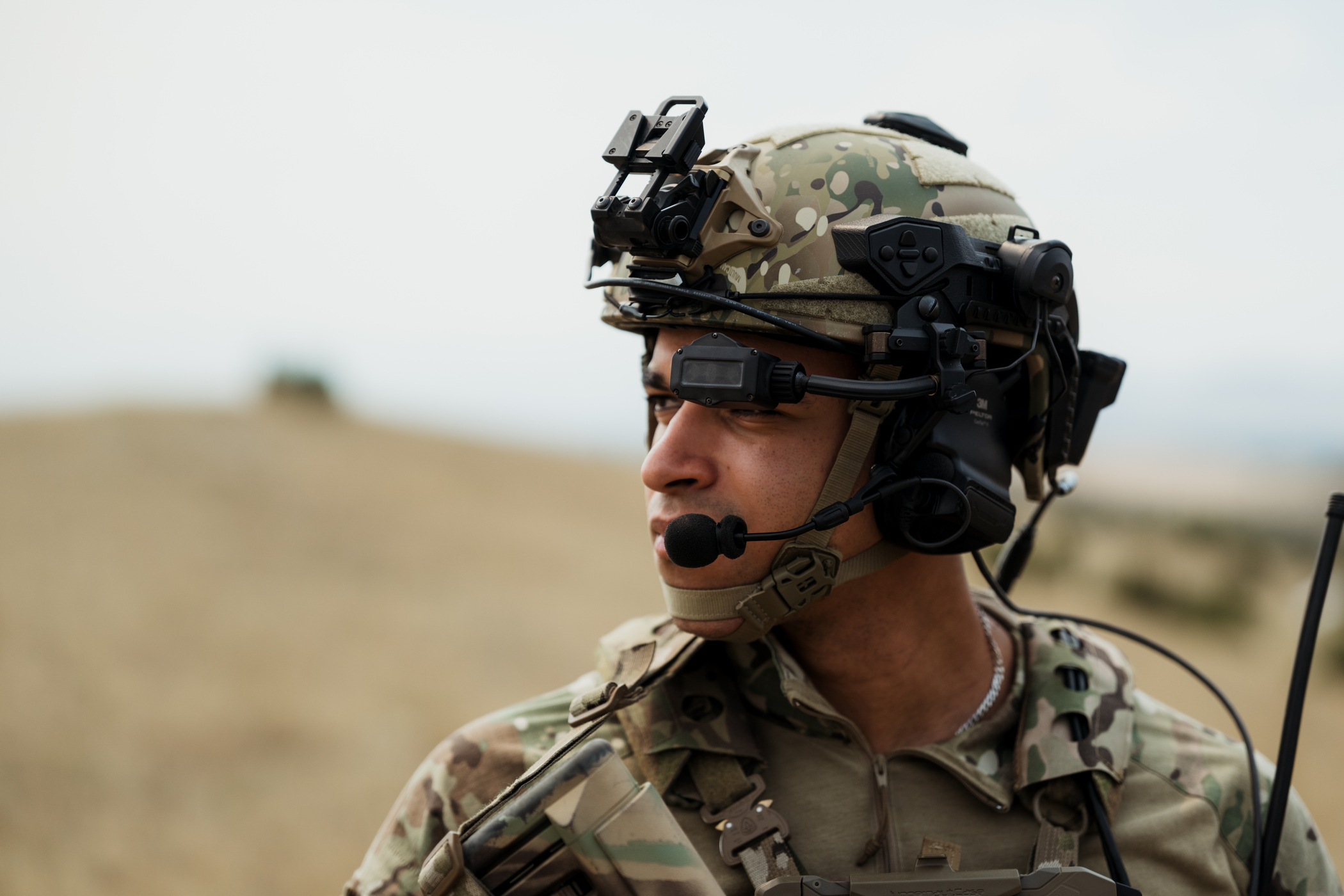
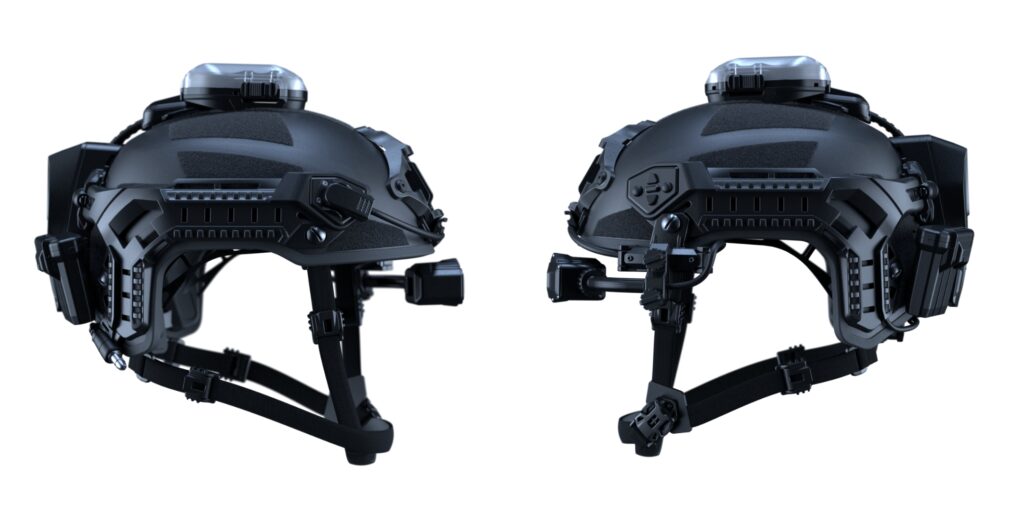
The first product in Galvion’s new family is the CORTEX Echo, a bolt-on system that attaches to various helmet platforms. Demonstrated at AUSA on the company’s Caiman helmet, the Echo shows how heads-up displays are moving from concept to practical deployment.
The on-helmet compute unit routes data through the helmet’s rail system to various connection points.
Controls are placed on the left temple, while a connector on the side — the Visual Augmentation System (VAS) connector — allows integration with different display technologies, depending on mission needs.
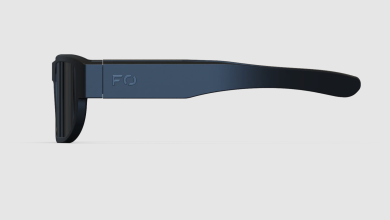
Display options range from occluded units that show detailed information to transparent overlays that preserve full situational awareness.
Seamless Integration With Existing Systems
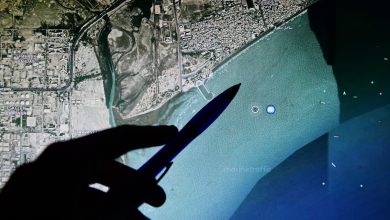
The Echo links directly to the Android Team Awareness Kit (ATAK), a tactical mapping and situational awareness app widely used across US and allied forces.
Data from an end-user device running ATAK is transmitted through a downlink cable to the helmet’s compute system, placing maps, alerts, and sensor information in the user’s line of sight.
Galvion also developed an ATAK plug-in called Alert Center, designed to let operators customize display layouts and mission profiles quickly.
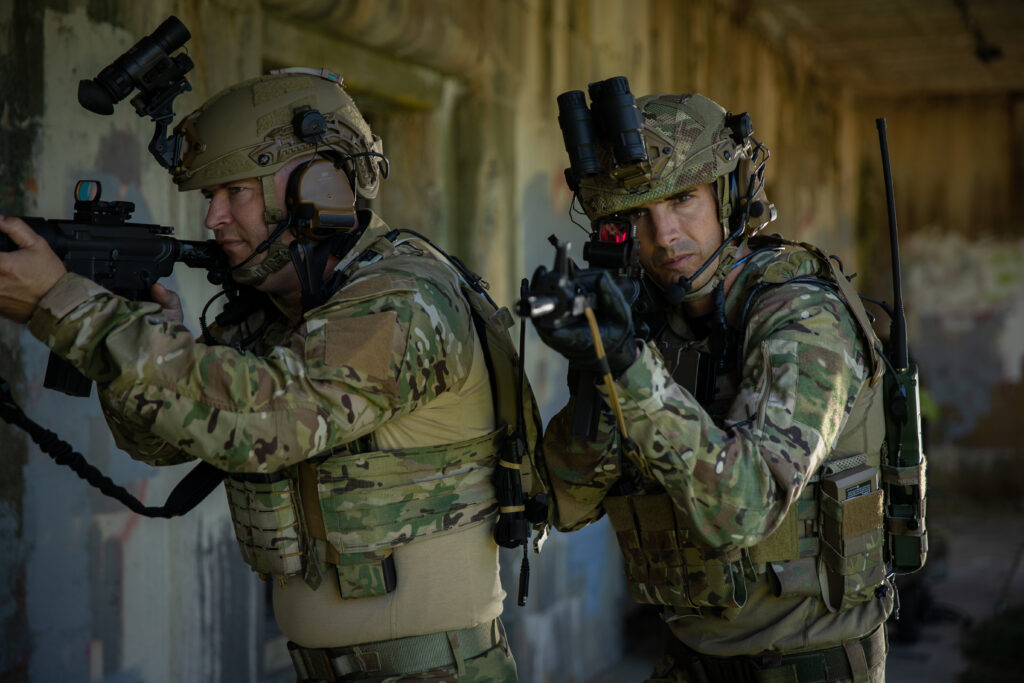
The system aims to solve a long-standing problem in soldier tech: vital data often sits on chest-mounted screens, forcing operators to look down and momentarily lose awareness.
“And that’s not a very wise thing to do when you’re in a threat environment, right?” the Galvion representative said.
“So the idea is by getting this information displayed in a convenient way near your eye, you can get your head out of your ATAK and you can keep your situational awareness out towards the threat area.”
Open Architecture
While numerous companies offer similar tactical display solutions, Galvion distinguishes itself through two critical innovations.
The first major differentiator is Galvion’s commitment to open architecture — a deliberate move away from proprietary display systems that limit compatibility.
Unlike competitors who lock users into proprietary display systems, CORTEX Echo is designed to work with virtually any heads-up display technology available on the market.
“We don’t care what display you have,” the company representative emphasized. “You can bring whatever display is the most appropriate to you or what you’re most interested in. We’ve integrated with integrated night vision displays, occluded displays, see-through displays — it really doesn’t matter to us.”
This flexibility gives users the freedom to choose the most effective display for their specific needs, without being constrained by compatibility issues.
Intuitive User Interface
The second key differentiator is the Alert Center application’s ease of use.
Galvion has designed the interface to be as intuitive as a smartphone, requiring no user manual to configure displays or adjust information layouts.
“One of our engineers likes to say, if you have to open up a user manual to do this, we’ve done something wrong,” the representative noted.
Users can drag and resize elements on their display, create multiple mission profiles, and switch between configurations depending on their operational phase.
For example, an operator might use one profile during infiltration showing comprehensive mapping data, switch to a targeting profile displaying only essential information like compass heading during engagement, and then transition to an exfiltration profile showing waypoint data.
The customization capability extends to optimizing information placement based on display type.
For occluded displays that can’t be seen through, users might want to maximize screen real estate with a large map. For see-through displays or night vision systems, information can be pushed to the edges — top, bottom, left, and right — keeping the central field of vision clear for threat detection.
Integration and Ecosystem
Beyond helmets, the same architecture can support digital rifle scopes and digital watches.
“When we say it doesn’t matter what display you have, it really doesn’t,” the representative stated. “If it’s a watch display, if it’s a weapon sight display, all those things can become part of this larger ecosystem of things that you can use.”
The company has also developed a software developer’s kit to allow third parties to integrate custom ATAK plugins and applications rapidly, often within hours.
In addition to software integration, physical sensors may be integrated by third parties.
For example, Galvion is working with a sensor manufacturer offering laser detection capability. Once integrated into the system, directional threat information from these sensors can be displayed directly on the heads-up display, providing immediate tactical awareness.
The rapid integration capability means the CORTEX system won’t age out as new technologies emerge. Whether it’s a new drone sensor, advanced targeting system, or novel detection technology, Galvion can quickly bring these capabilities onto the platform.
Flexible Power and Connectivity
The CORTEX Echo system offers multiple power and connectivity configurations to suit different operational requirements. The system can be powered through the downlink cable connected to an on-body power source, such as Galvion’s own battery systems.
Alternatively, users can opt for head-mounted batteries, whether disposable L91 cells or rechargeable battery packs that Galvion also manufactures.
When using head-mounted power, data can be transmitted wirelessly through various protocols, providing a cable-free solution for operators who prefer that configuration.
Compatibility and Logistics Advantages
While CORTEX Echo was demonstrated on Galvion’s own Caiman helmet, one of the company’s most popular platforms, the system has been successfully integrated onto helmet platforms from other manufacturers as well.
This flexibility allows customers to retain their preferred helmet systems while adding CORTEX capabilities.
The system also features thoughtful design elements that reduce logistics burden. Galvion has incorporated sizing wings that allow the same rails and electronic components to work across different helmet sizes, with mechanical adjustments handling the variations.
This standardization simplifies inventory management in arms rooms and reduces the total number of components that need to be stocked and maintained.
Looking to the Future
At AUSA, Galvion also previewed a concept called CORTEX Evo — a fully integrated helmet-electronics package that eliminates the need for bolt-on components.
The prototype hints at a next stage where the helmet itself becomes the compute platform, reducing weight and streamlining form factors.
“This is really a concept that we’re showing here, with this idea of how far we can push things to where there is really no difference between the helmet and the electronics that are supporting these types of missions and this type of data aggregation,” the representative explained.
Final Impression
The CORTEX line highlights a trend shaping the modern battlefield: the shift from stand-alone protection to connected situational awareness.
By prioritizing open architecture, intuitive user interfaces, rapid integration capabilities, and genuine user choice, the company has addressed many of the limitations that have historically constrained heads-up display systems for tactical applications.
As wearable systems converge with digital networks, helmets like the CORTEX Echo may mark the point where personal protection and information systems become one and the same.