Safran Federal Systems will continue providing advanced timing solutions for the US Army’s Lower Tier Air and Missile Defense Sensor (LTAMDS) program as it enters low-rate initial production.
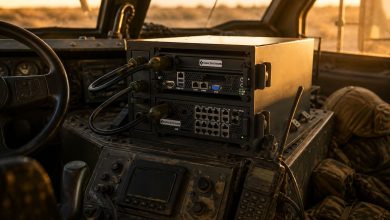
The company, which was first selected for LTAMDS in 2020, supplies its VersaSync Flex system to deliver precise and resilient timing critical to the radar’s 360-degree detection capability.
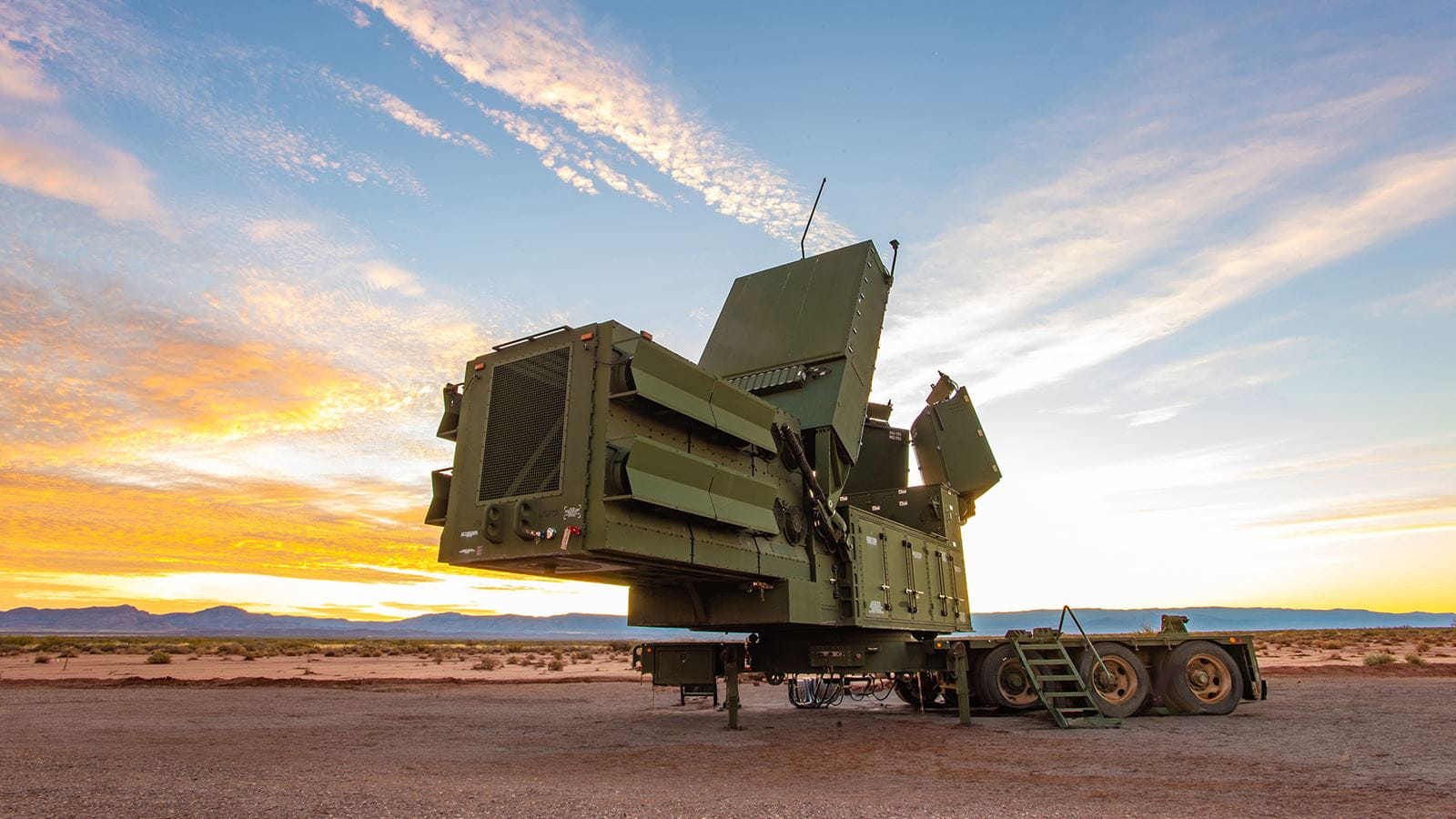
LTAMDS, developed by Raytheon, is a next-generation radar designed to track and counter complex threats, including hypersonic weapons, advanced ballistic missiles, and unmanned aerial systems.
Earlier this year, the program achieved the Department of Defense’s Major Capability Acquisition Milestone C, officially marking its transition to production and designation as a program of record. LTAMDS is intended to enhance both US homeland defense and expeditionary missions.
Safran President and CEO Hironori Sasaki said that the company’s continued engagement in the program “demonstrates commitment to resilient time synchronization technologies that support the modernization of US and allied defense systems.”
The LTAMDS
The LTAMDS is designed to replace the army’s aging Patriot radars. It provides continuous threat detection and integrates with other US Army air and missile defense assets to enhance reaction times and battlefield awareness.
LTAMDS relies on advanced radar arrays and resilient timing systems, such as Safran’s VersaSync Flex, to maintain precise operation even in contested or GPS-denied environments.
In July 2024, Raytheon successfully demonstrated a simulated missile interception using the LTAMDS radar.
Alongside LTAMDS, the army is advancing several complementary programs to modernize its air and missile defense architecture. These include the Integrated Air and Missile Defense Battle Command System, which links multiple sensors and interceptors across a networked battlefield for faster coordination and more effective target engagement.
GhostEye radars, another Raytheon-developed system, provide high-performance detection and tracking of high-speed threats, including cruise missiles and drone swarms.