Anduril, General Dynamics Partner to Deploy Networked Battlefield Radar

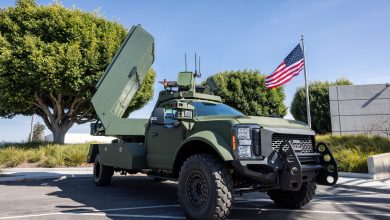
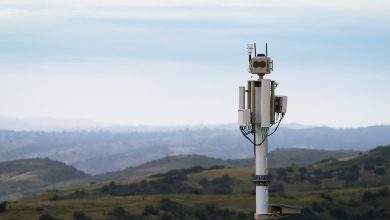
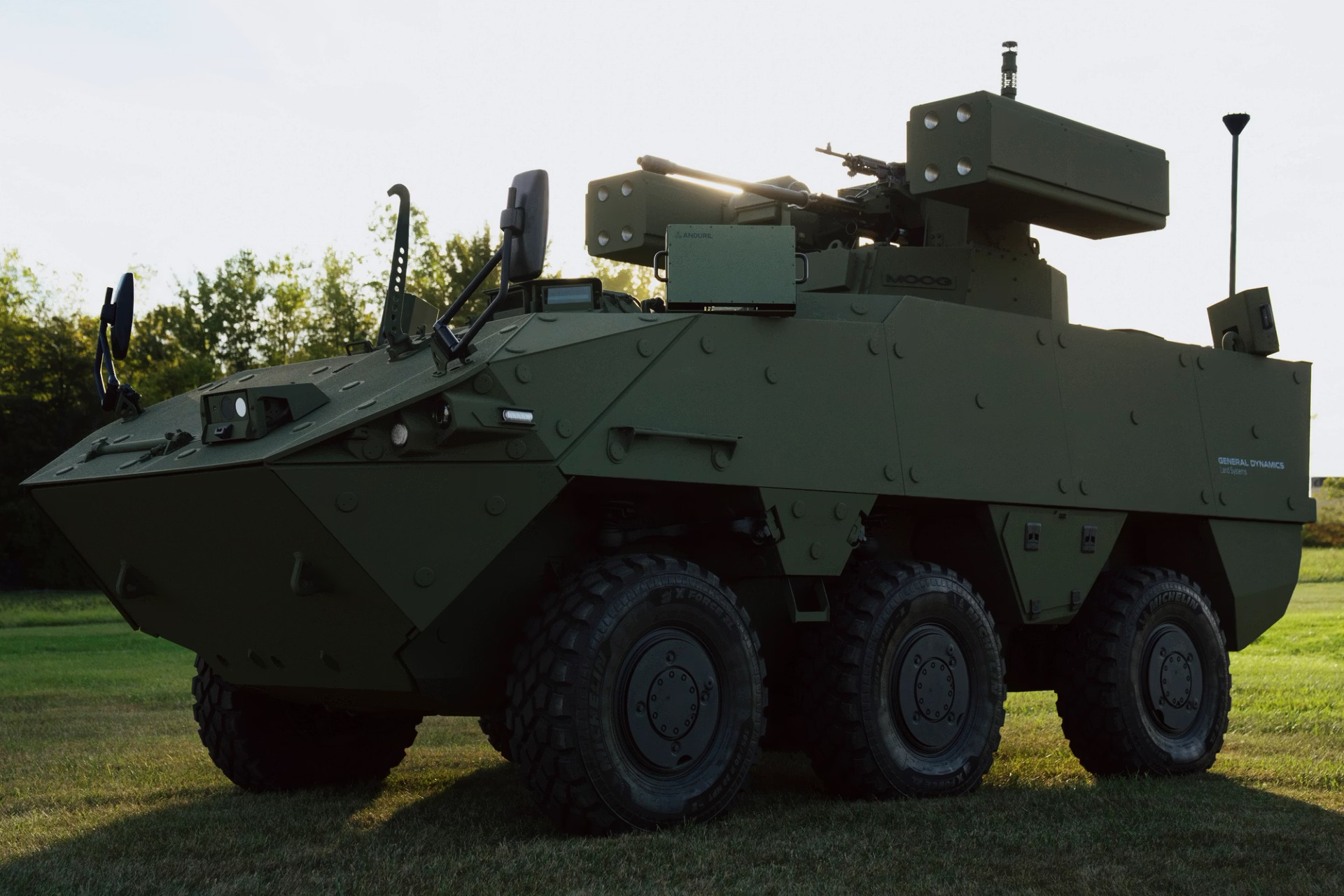
Anduril Industries has partnered with General Dynamics Land Systems to integrate its Spark radar into armored vehicles and other ground platforms.
The initiative targets emerging threats to ground platforms, such as drones and precision munitions, which can outpace current detection systems.
Through this collaboration, Anduril’s software-driven sensors and battle management technologies will be built into GDLS’ vehicle designs from the outset, rather than retrofitted after production.
“This is a shared commitment to the importance of ground vehicles in future fights by advancing how they detect and respond to threats,” Anduril stated.
“By integrating Spark radar into General Dynamics Land Systems platforms from the outset, we’re laying the groundwork for more cohesive, layered defense across maneuver formations.
It’s a step toward ensuring warfighters have the protection they need to maneuver and survive on today’s battlefield.”
Spark Radar
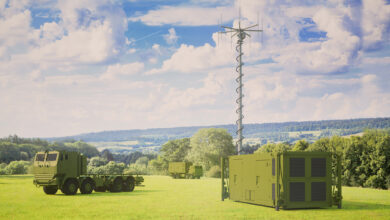
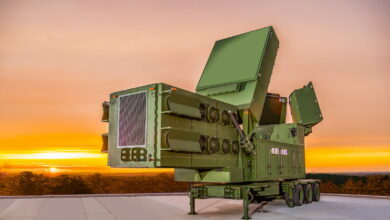
Built for maneuver protection, the Spark radar is engineered to detect both air and ground threats with “class-leading range, speed, and fidelity,” according to Anduril.
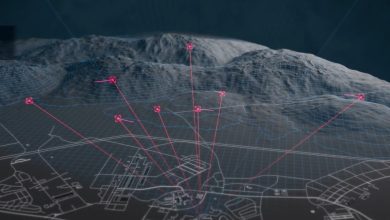
Radar data is shared with other vehicles and command posts via the Lattice command-and-control software, ensuring coordinated fleet protection.
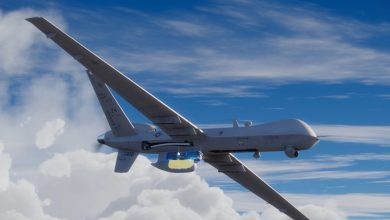
The X/Ku-band radar can track Group 1 drones up to 10 kilometers (6.21 miles), Group 3 unmanned aerial systems up to 18 kilometers (11 miles), and ground vehicles up to 12 kilometers (7.45 miles).
Networked Defense
This integration represents a critical step toward enabling distributed, multi-vehicle protection for future combat scenarios, linking sensors, radars, and command nodes across formations.
The radar will initially be integrated into armored vehicles, with plans to expand to command posts, missile launchers, and fire elements.
Building the Spark radar into vehicle platforms from the outset “enables tighter integration, better performance, and a clear path to scalable protection across fleets,” Anduril explained.
“This is a deliberate move to shift survivability from platform-specific defenses to coordinated, multi-vehicle systems of systems.”