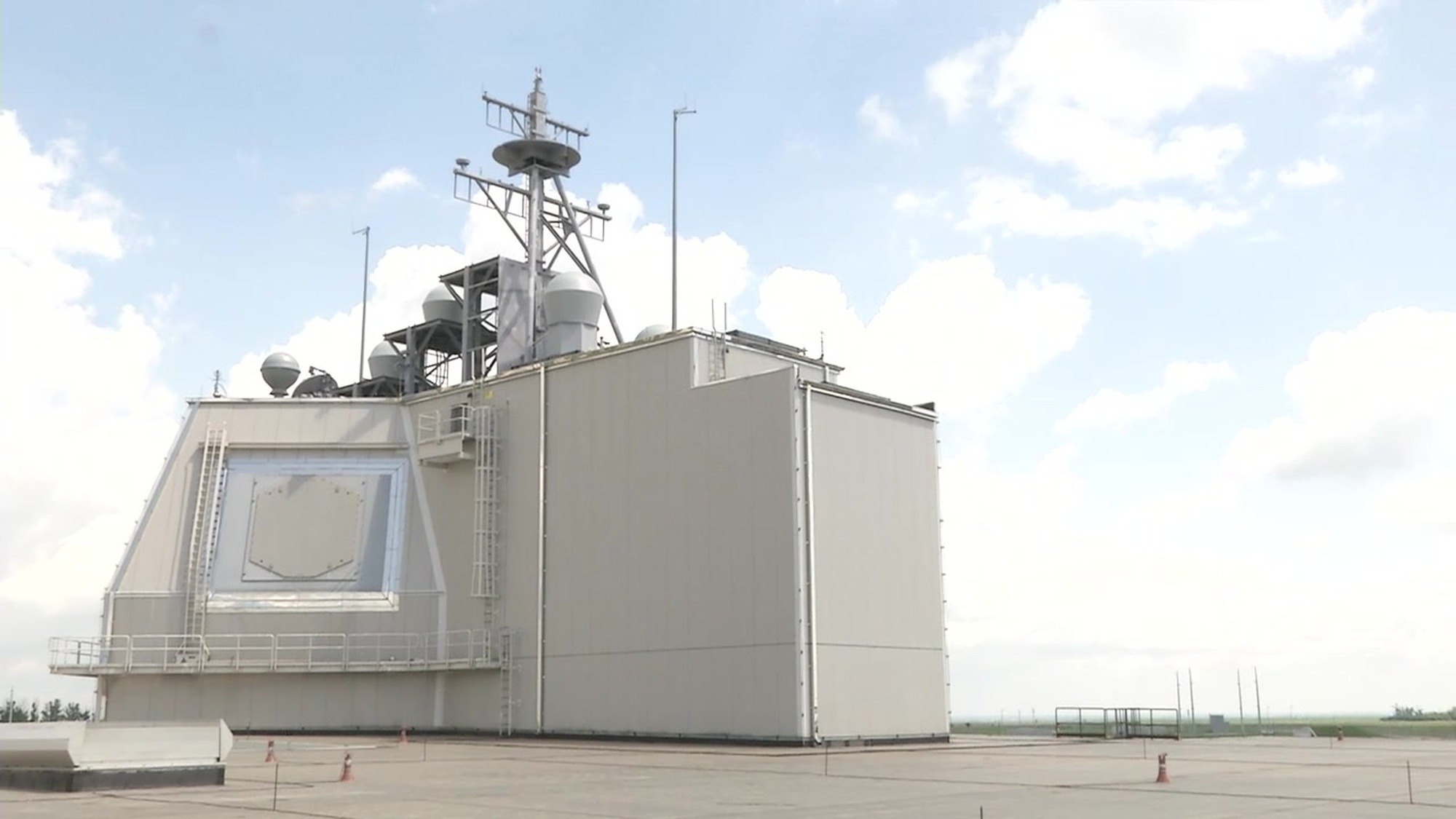
The US Navy has awarded Kratos Defense & Security Solutions a Phase 1 contract to establish an in-house sustainment program for its AN/SPY-1 radar systems, a key sensor used on Aegis-equipped cruisers and destroyers.
The effort marks the first stage of Project Anaconda, a multi-phase initiative to transition radar maintenance and modernization work from external vendors to Navy-managed facilities.
Under Phase 1, Kratos will develop repair, overhaul, and testing capabilities for radar subsystems such as transmitters, signal processors, and antenna arrays.
The program could eventually reach $175 million in value across subsequent phases.
The company will also establish the Indiana Radar Integration Complex to serve as a central site for integration, sustainment, and prototyping. The facility, scheduled to begin operations by 2027, will be near the Naval Surface Warfare Center Crane.
Kratos CEO and President Eric DeMarco said the latest program provides “long-term value” to a broad range of stakeholders, including the government.
“We anticipate that the Anaconda program will generate multi-decade value for both the [US] Navy and Kratos,” he said.
Strengthening the Navy’s Radar Sustainment Capabilities
The initiative is part of the navy’s effort to extend the life of its AN/SPY-1 radar and ensure continued readiness of Aegis-equipped ships.
The radar remains a critical component of the Aegis Combat System, providing long-range air and missile defense for Ticonderoga-class cruisers and Arleigh Burke-class destroyers. While newer ships feature the SPY-6 radar, hundreds of SPY-1 arrays remain operational.
Maintaining these legacy systems requires addressing ongoing technical and upkeep challenges. To meet them, the navy aims to reduce maintenance delays and costs while preserving expertise within its depots.
This effort aligns with broader modernization initiatives, including the Integrated Combat System project, which standardizes software across radar generations to ensure interoperability and long-term efficiency.