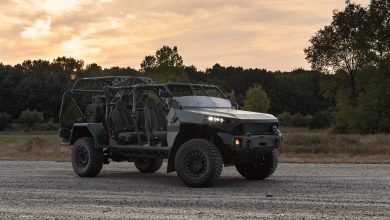
A US Government Accountability Office (GAO) review has found that most US Army and Marine Corps ground vehicles do not meet mission-capable standards.
The report assessed 18 types of vehicles, including tanks, self-propelled artillery, and armored personnel carriers.
According to the GAO, none of the systems reached the US Army’s 90 percent availability target in 2024, with 16 of the examined platforms having recorded declining readiness since 2015.
For the US Marine Corps, only two of its seven vehicles reviewed showed improved performance between 2015 and 2024.
Sustainment Challenges
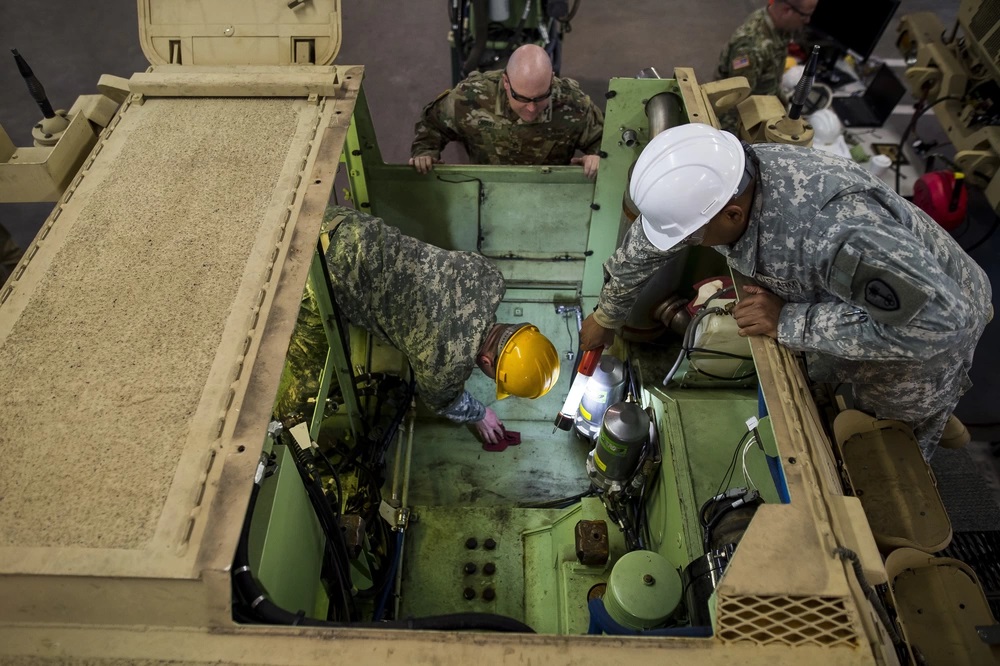
US Army representatives noted that fewer overhauls contributed to declining mission-capable rates across much of the fleet, with depots completing 1,278 overhauls in 2015 compared with just 12 in 2024.
The Marine Corps reduced depot-level work from 725 to 163 in the same period.
Officials also pointed to shortages of spare parts, skilled personnel, and current technical data as key factors in the issue.
In certain cases, parts were taken from decommissioned vehicles to keep active platforms in service.
Rising Costs
While availability has dropped, sustainment expenses have increased.
In 2023, the US Army and Marine Corps spent more than $2.3 billion on depot maintenance, reflecting the growing cost of sustaining aging fleets while incorporating newer systems.
Between 2015 and 2023, costs increased for nine of the army’s 11 tracked systems, according to the GAO.
The M1 Abrams tank fleet saw costs rise by $181 million, with the average expense per tank nearly doubling.
During the same period, the US Marine Corps’ overall fleet costs decreased, but per-vehicle expenses increased for four of the seven platforms reviewed.