Poland has signed a 2-billion Polish złoty ($550-million) contract with local defense firm Wojskowe Zakłady Łączności Nr 1 to supply mobile communication nodes for Phase II of the Wisła air and missile defense program.
The communication nodes are a key component of the multi-layered system, providing secure, interference-resistant, and encrypted communications at both tactical and operational levels.
The deal covers 56 communication nodes, along with logistics and training support, with deliveries scheduled between 2027 and 2030.
“This is an important moment when we sign another contract with a Polish company, with Polska Grupa Zbrojeniowa, with the Polish arms industry,” Poland’s Deputy Prime Minister Władysław Kosiniak-Kamysz said.
“This is an even more important moment, because we are building a multi-layered air defense system for the Polish state. An anti-drone shield, an anti-missile shield.”
Wisła Program
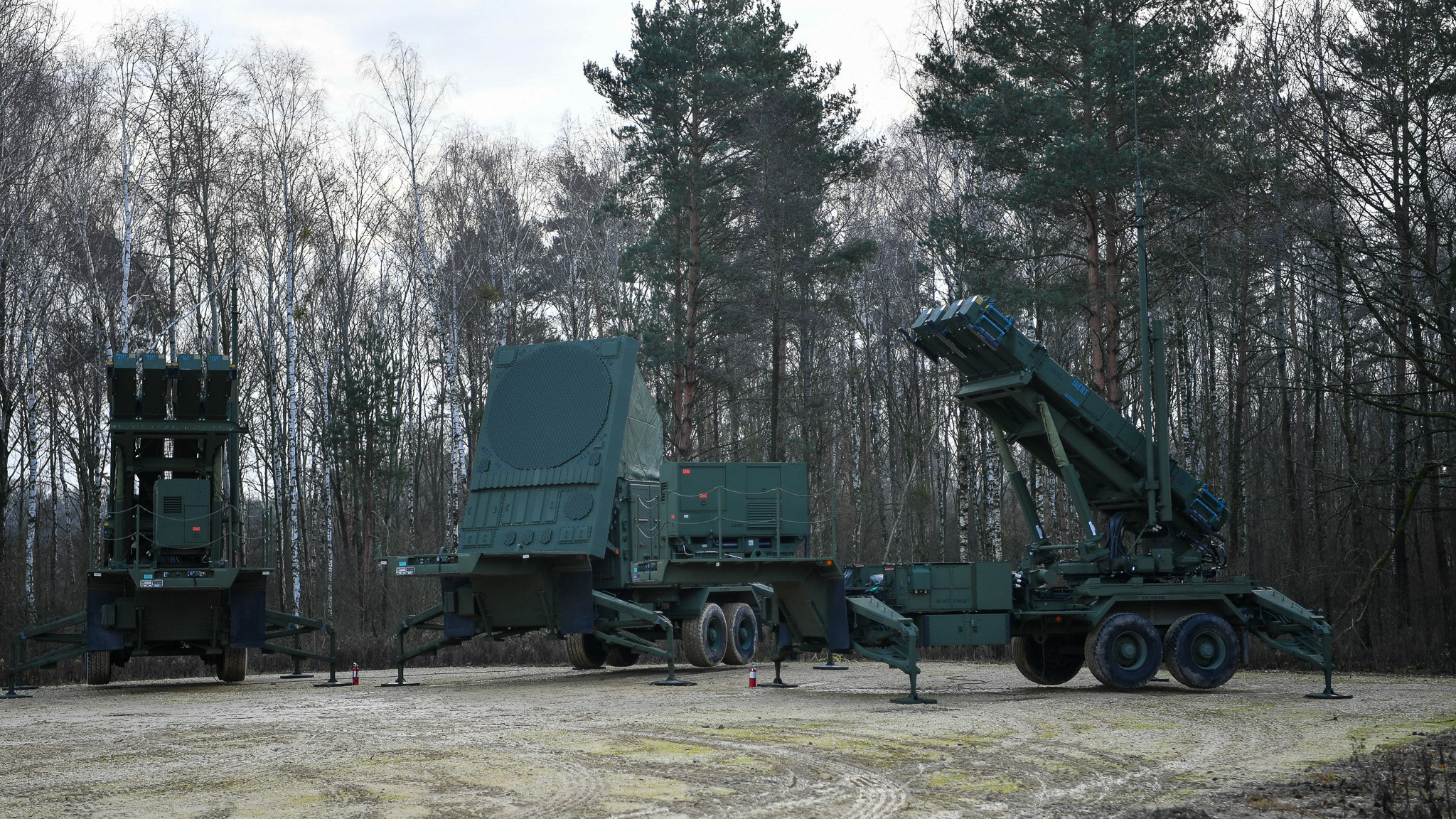
Signed in 2018, Phase I of the Wisła program comprised two Patriot batteries equipped with PAC-3 MSE interceptors and the Integrated Air and Missile Defense Battle Command System (IBCS).
The air defense network is designed to detect and neutralize medium-range threats, including cruise missiles, ballistic missiles, and both manned and unmanned aircraft, while remaining fully interoperable with US and NATO systems.
Phase I achieved initial operational capability in December 2024.
Phase II
Signed in 2023, Phase II will add six Patriot batteries integrated with the IBCS command system to the two acquired under Phase I.
Another major element of Phase II is the introduction of the Lower Tier Air and Missile Defense Sensor, which will replace the Patriot’s current radar.
Powered by Gallium Nitride technology, the active electronically scanned array radar provides full 360-degree tracking, a capability absent in current Patriot radars.
Designed to counter advanced ballistic and hypersonic threats, the Raytheon radar has been cleared for low-rate initial production starting in early 2025, with full-rate production expected by 2028.