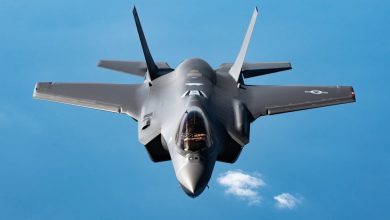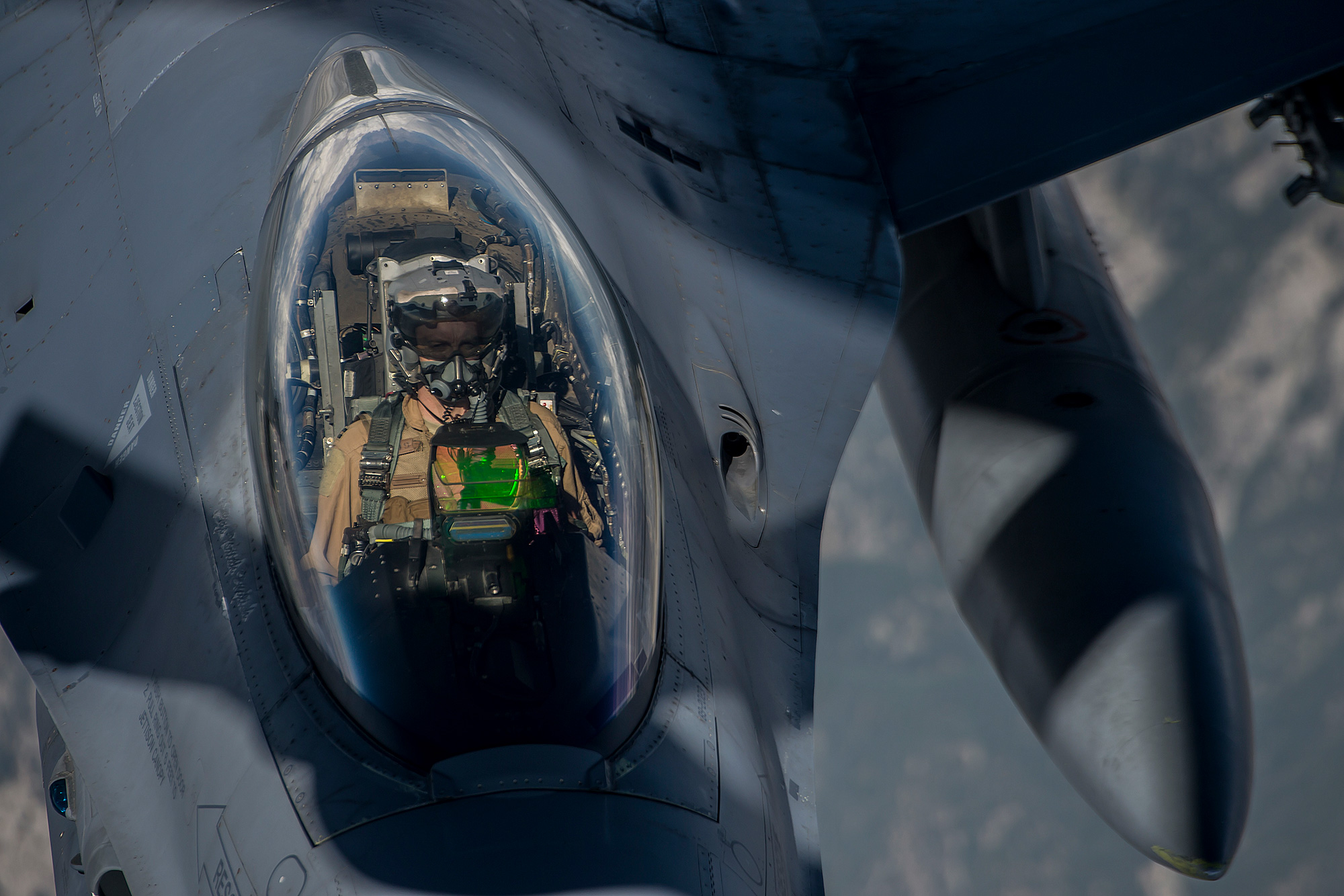
Lockheed Martin has secured a contract to upgrade the Republic of Korea Air Force F-16 Block 52 flight simulators to the advanced F-16 Viper (F-16V) standard.
The project covers new equipment, systems integration, and contractor logistics support at Seosan and Chungju Air Bases.
Modifications will encompass nine platforms, with work to be facilitated for six years.
The simulators replicate aircraft systems, sensors, and weapons, and can be networked for joint training.
All of them will be transformed into the F-16V configuration with advanced avionics, an Active Electronically Scanned Array radar, a modernized cockpit, and enhanced weapons comparable to the latest F-16 Block 70.
South Korea operates more than 160 KF-16s, a locally built variant of the F-16C/D Block 52 first commissioned in the 1990s.
In 2016, Seoul launched a program to upgrade 134 jets to the F-16V standard to keep the jets combat-ready against regional threats and extend their service life.
The fleetwide modernization is scheduled for completion by 2025.
Sustaining ‘Maximum Accuracy, Realism’
Lockheed Martin said the initiative supports the Republic of Korea Air Force’s goals by providing realistic, high-fidelity training environments that mirror the performance of upgraded aircraft on live missions.
“Maximum accuracy and realism in ground-based flight training is foundational to pilot safety and mission readiness,” said Todd Morar, vice president of Air and Commercial Solutions at Lockheed Martin.
“As the manufacturer of all F-16 variants, Lockheed Martin uses the design and software data of the actual aircraft to deliver ground-based training experiences that are nearly identical to those in flight, while maintaining concurrency with the aircraft as technology evolves.”
Since 2001, Lockheed’s F-16 training systems have assisted pilots from 16 partner countries.