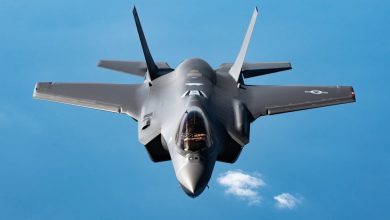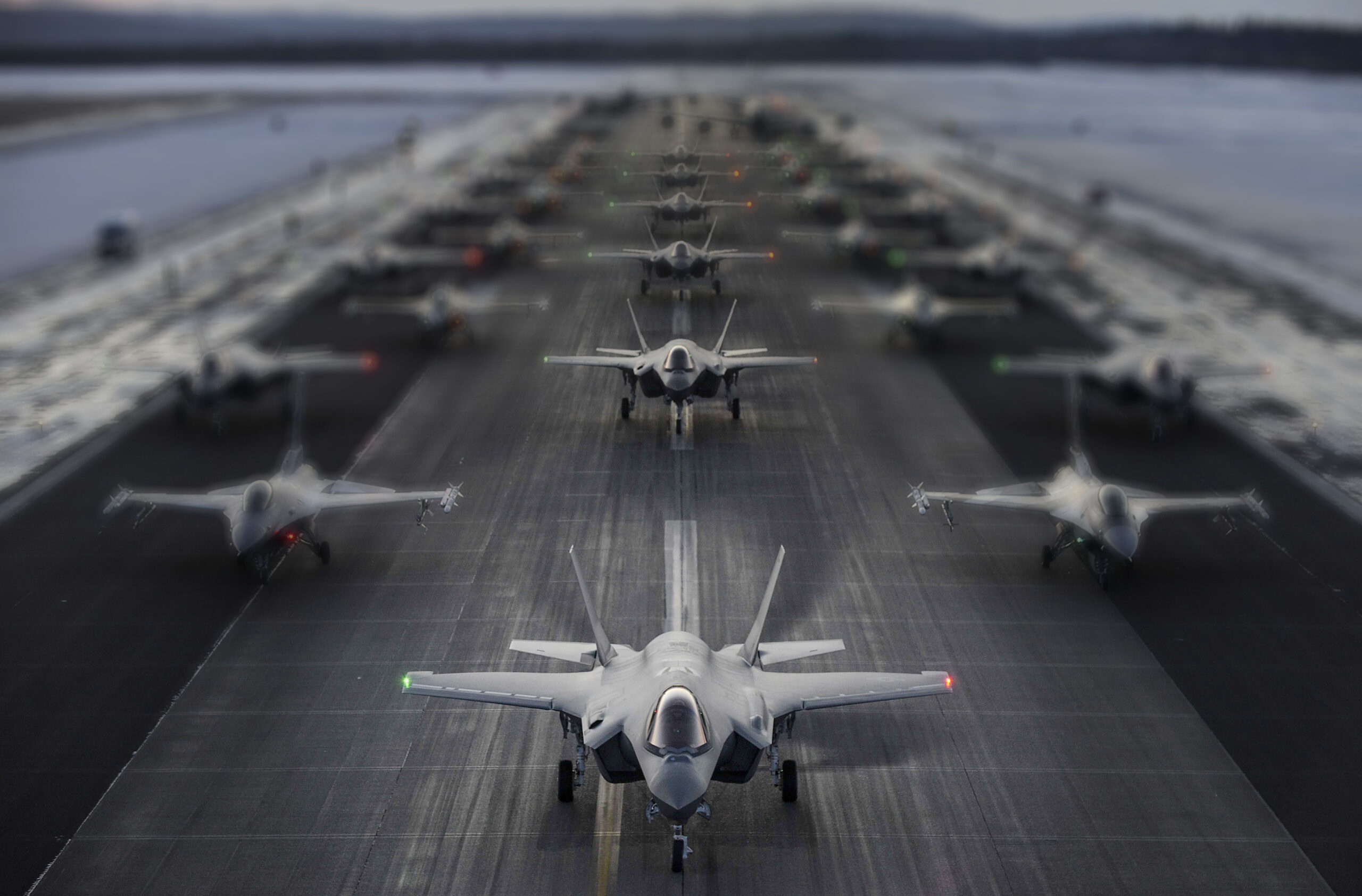
The US Department of Defense faces a new timeline for the F-35 Joint Strike Fighter’s Block 4 modernization, which is now not expected to be finished until 2031 at the earliest, the Government Accountability Office (GAO) said in a new report.
The Block 4 upgrade package is designed to enhance the jet’s capabilities with advanced weapons, improved sensors, and electronic warfare systems, thereby increasing its effectiveness against modern air defenses.
However, the GAO found that rising costs, technical setbacks, and production delays have slowed the program.
“Block 4 costs are over $6 billion more and completion is at least 5 years later than original estimates,” the agency wrote. “The program plans to reduce the scope of Block 4 to deliver capabilities…at a more predictable pace than in the past.”
Reorganization and Scope Cuts
In response to mounting delays and cost growth, the F-35 Joint Program Office is reorganizing Block 4 and its associated Technology Refresh 3 (TR-3) upgrades into a new subprogram. Congress ordered the move in 2023 to strengthen oversight after repeated schedule slips.
TR-3, a $1.9-billion suite of hardware and software needed to enable Block 4 features, has been the main driver of late aircraft deliveries. In 2024, Lockheed Martin delivered 110 F-35s, all behind schedule by an average of 238 days, according to the GAO.
Pentagon officials expect to finalize planning documents in fall 2025, which will determine how many of the original 66 Block 4 capabilities will remain.
The GAO cautioned that the restructured program will scale back capabilities and face uncertain costs until a full estimate is complete.
Engine Upgrade Delays
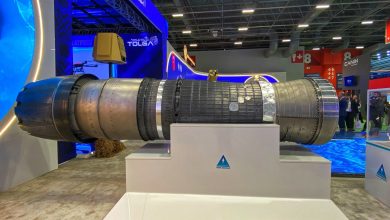
Some future Block 4 capabilities also depend on Pratt & Whitney’s F135 engine upgrade, which the GAO said will not be in production before 2031. As a result, those capabilities have been deferred to at least 2033.
“The Block 4 subprogram will not be dependent on upgrading the engine,” the GAO wrote. “But engine core upgrade delays would likely contribute to more delays with delivering post-Block 4 capabilities.”
Costs and Accountability
The Block 4’s cost was last estimated at $16.5 billion in 2021, but the GAO said a revised figure will not be available until later this year.
The watchdog also criticized the program’s handling of incentive fees, noting that contractors were still paid bonuses despite repeatedly missing delivery deadlines.
“The F-35 program’s use of incentive fees has been largely ineffective at holding the contractors accountable,” the GAO said.
Washington, DC, projects that the overall F-35 program, including Block 4 modernization, the F135 engine upgrade, and the sustainment of more than 2,400 aircraft, will cost over $2 trillion across its 77-year life cycle.
To address recurring problems, the GAO recommended that the Pentagon reassess delivery schedules, reevaluate its use of incentive payments, and expand the use of modern design tools, such as digital modeling.
The defense agency agreed with four of the six recommendations and partially concurred with two.