Red Cat Expands Into USV Weapons Systems With New Blue Ops Division

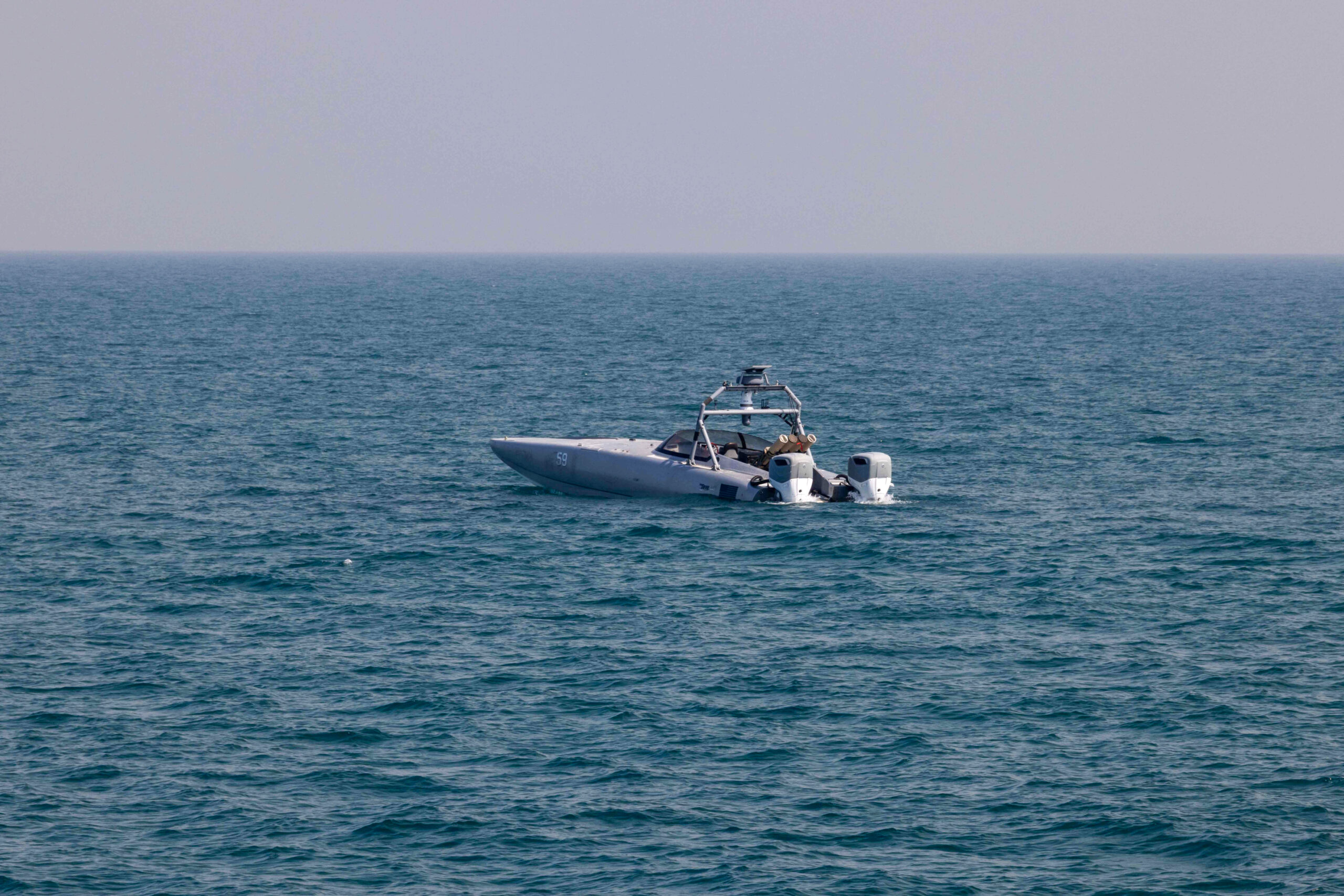
Puerto Rico-based defense company Red Cat Holdings has launched a new division, Blue Ops, to develop a new class of modular, unmanned surface vessel weapons systems for defense and security missions.
The move builds on Red Cat’s earlier announcement that it would expand into maritime autonomy with a line of combat-tested surface drones.
It also supports the San Juan enterprise’s goal to expand manufacturing in the US and integrate sensors, strike capabilities, and aerial drones into the platforms for intelligence, surveillance, reconnaissance, and tactical missions.
Additionally, the effort reinforces Red Cat’s commitment to backing White House executive orders to boost American maritime strength while aligning with the US Navy’s Navigation Plan to scale autonomous systems and improve fleet readiness by 2027.
Blue Ops joins Red Cat’s Teal Drones and FlightWave Aerospace divisions as part of its strategy to grow a “family of systems” and become an all-domain defense provider.
Bringing Century of Maritime Expertise
Barry Hinckley, a third-generation marine industry veteran and entrepreneur, will lead the Blue Ops division as president.
Hinckley’s background spans decades as a US Coast Guard-certified Merchant Mariner, sailor, aviation professional, and enterprise software executive.
He will be joined by Alexander Spaulding, former president of Hinckley Yachts, who has held multiple leadership roles across the maritime sector.
Hinckley Yachts, long led by Spaulding and the Hinckley family, is a trusted US luxury yacht builder and has produced more than 500 vessels for the US Army and US Navy during World War II.
“This new division is a critical extension of Red Cat’s all-domain strategy, supporting today’s warfighters across air, land, and sea,” Hinckley stated.
“We’re not replacing large naval vessels – we’re building smaller, smarter, uncrewed platforms that extend their reach, provide forward protection, and can operate in places traditional ships can’t. The future of maritime defense depends on a fast, modular weapons system built in the US That’s exactly what we’re delivering.”