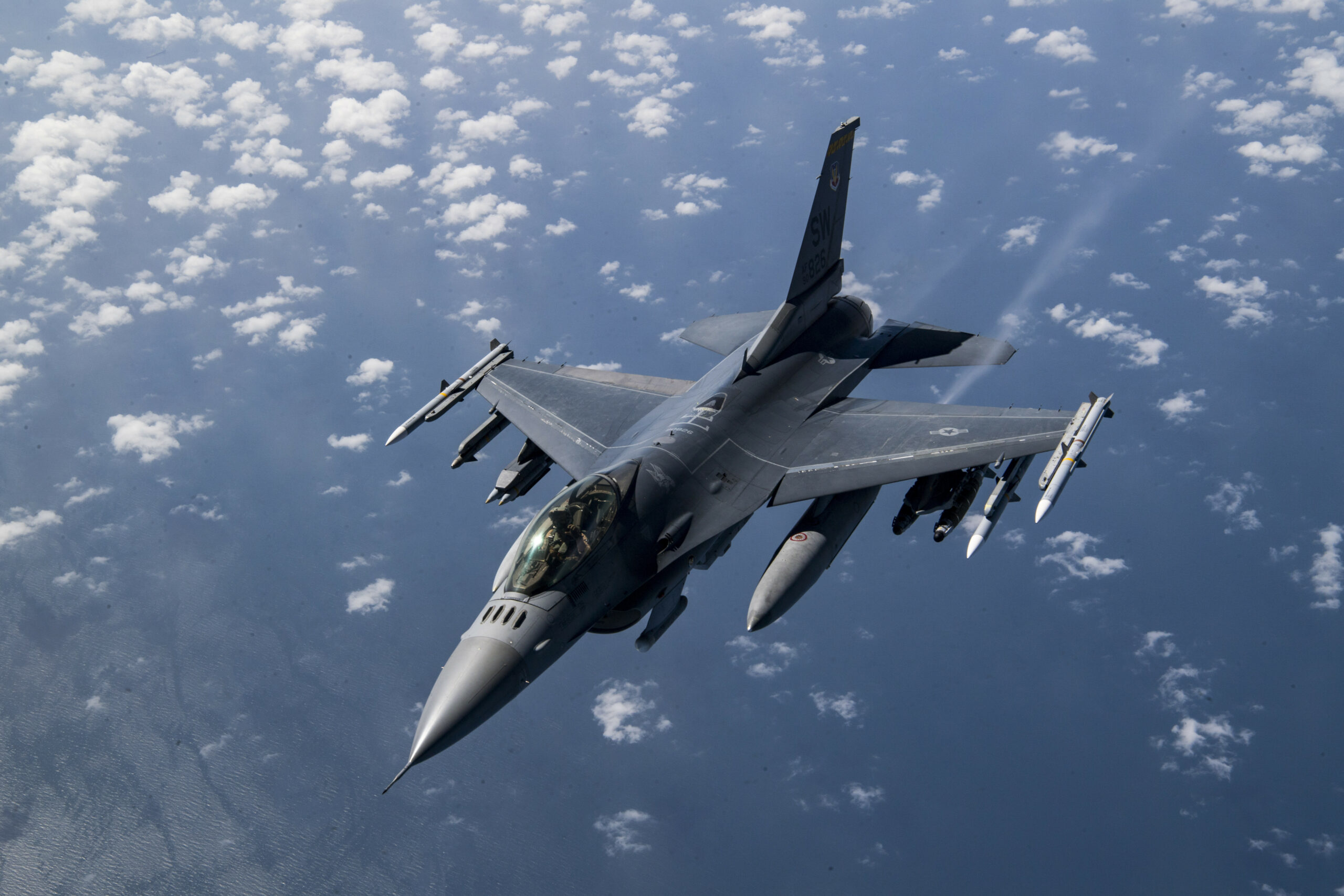
The US Air Force has contracted Red 6, an augmented reality (AR) solutions company headquartered in Florida, to supply its AR system for the F-16 Fighting Falcon.
With the integration of the company’s ATARS (Airborne Tactical Augmented Reality System) into the fighter aircraft, an F-16 pilot can “train against intelligent, maneuvering virtual adversaries in real-time during live flight.”
It will be initially integrated into two F-16s over the next 12 to 18 months, Red 6 CEO and former British Royal Air Force pilot Daniel Robinson informed Breaking Defense.
As the F-16 is widely used among the US and allies, Red 6’s selection to integrate ATARS into the fighter jet marks a “really big milestone” as its first operational combat jet candidate, unlocking potential toward a future program of record.
“This is more than a contract — it’s a validation of our vision and a signal that the future of air combat training has arrived,” said Robinson.
Apart from the Fighting Falcon, the ATARS has been integrated with the USAF’s MC-130 aircraft, the UK Royal Air Force’s Hawk T-2, and the T-38 Talon trainer platform.
Red 6 has also entered into various ATARS integration partnerships, including Boeing in 2022 and Lockheed Martin and Korea Aerospace Industries in 2023.
ATARS
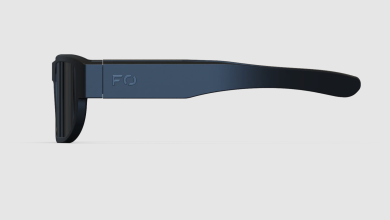
The ATARS consists of the helmet-mounted optical system, cabling, and computer within the aircraft, designed to work across various communication networks, platforms, and helmets, and features low latency.
It also offers high-resolution, full-color synthetic entities, so virtual enemies and threat objects, as well as friendly assets, feel immersive and realistic to pilots during training.
Additionally, the system generates structured datasets to help assess pilot readiness.
These features enable it to support the USAF’s next-generation collaborative combat aircraft program, which aims to deploy “loyal wingmen” drones alongside crewed fighter jets.
Robinson further highlighted that ATARS can help address the high costs and limited scalability of training with friendly pilots as red teams, in addition to the inadequacy of advanced simulators to fully emulate pilots’ cognitive loads in real cockpits.