The US Navy has demonstrated 3D printing capabilities that could transform battlefield logistics by producing critical parts in the theater or remote areas without weeks-long delays.
The event is part of Trident Warrior, an annual exercise that tests advanced technologies in real operational environments and uses fleet feedback to ensure only proven systems move forward for procurement.
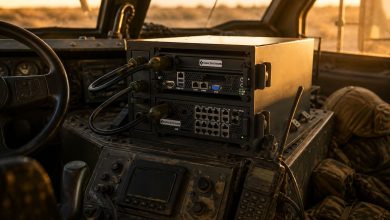
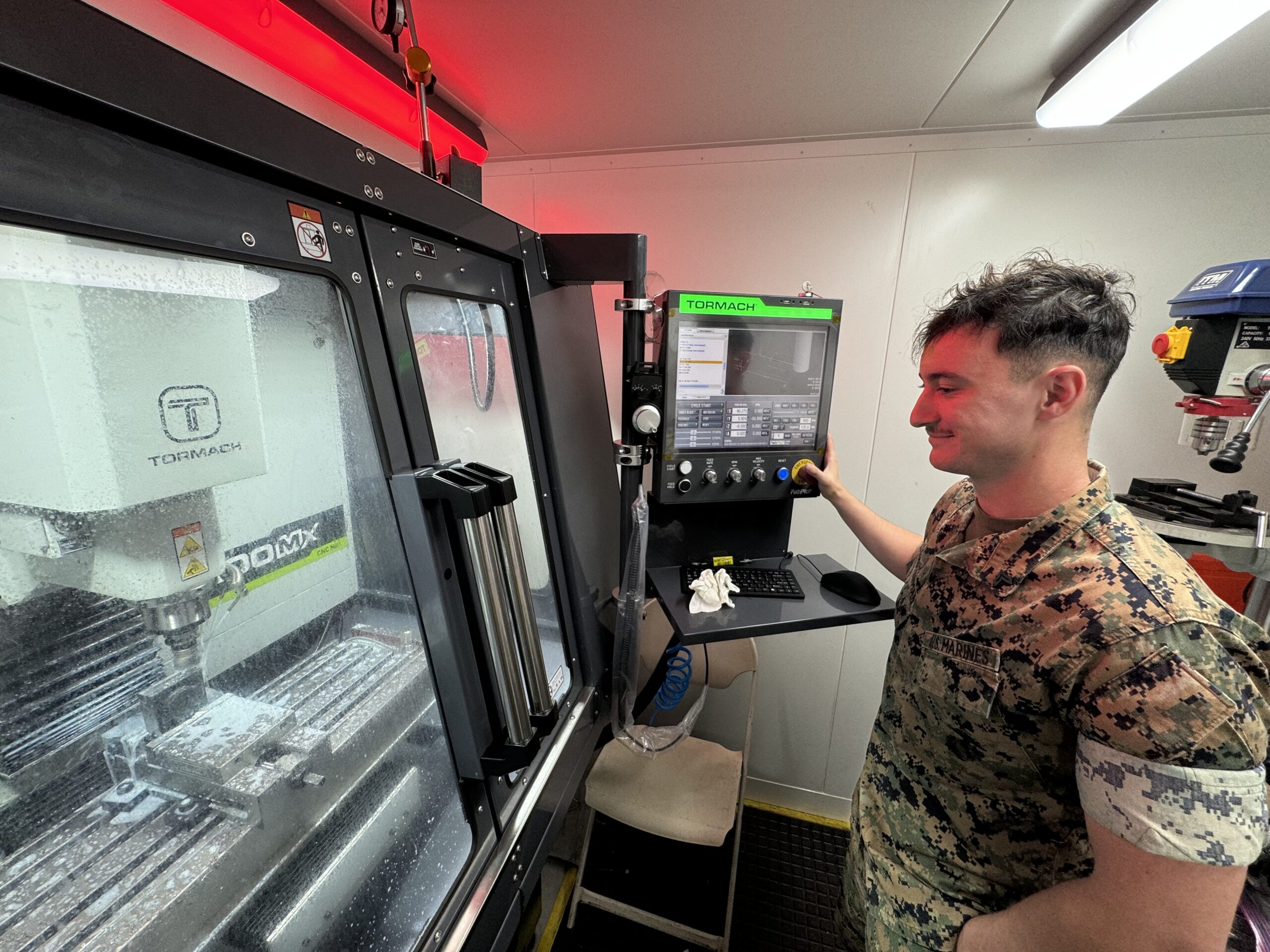
In partnership with the US Marine Corps, the service presented solutions that are already operational, including industrial-grade 3D printers, some of which are housed in shipping container-sized mobile labs and can be deployed aboard ships or to forward bases.
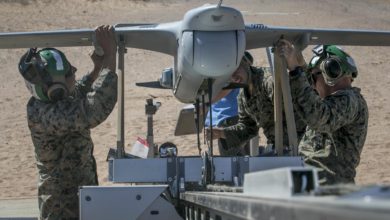
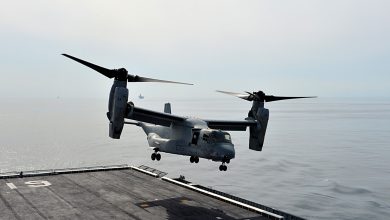
These systems are designed to fabricate anything from a simple hinge to a load-bearing titanium component on demand, with off-site parts deliverable via aerial drones or unmanned vessels.
Lt. Col. Michael Radigan, consulting and strategy engagement manager at the Marine Innovation Unit, highlighted how the approach is cutting wait times for parts and enabling record-fast repairs on joint force aircraft and ships.
“This is Uber for manufacturing, delivered at the speed of Amazon across the globe for nuclear-grade propulsion parts,” FOX 5/KUSI quoted Radigan as saying.
“It’s challenging when you’re doing that in a contested environment and that’s what’s really exciting about this particular project.”
Expanding Application
Jacob Lopez, lead manufacturing technologist at Naval Surface Warfare Center Corona Division in Fallbrook, explained that bringing 3D printing equipment aboard is crucial for on-site repairs because aircraft and ships cannot carry every spare part they might need.
“We’re using cutting-edge technology,” Lopez said. “We need to make sure our warfighters are safe, we can get them home, and save lives.”
He cited one case where a part with a six-to-nine-month lead time and a $30,000 price tag was produced in just three days. Lopez also trains troops to operate the equipment, enabling them to make repairs on the battlefield.
Concurrently, the exercise featured cold spray technology that can repair a broken helicopter beam mid-flight. This task could otherwise take months and hundreds of labor hours, saving the fleet significant time, money, and resources.
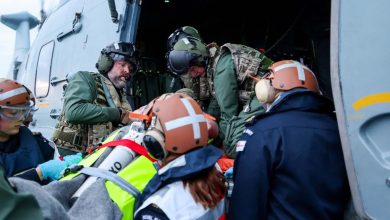
Beyond mechanical fixes, military planners see potential for 3D printing to address urgent medical needs during deployments, Radigan said, further boosting the reach and resilience of forward forces.