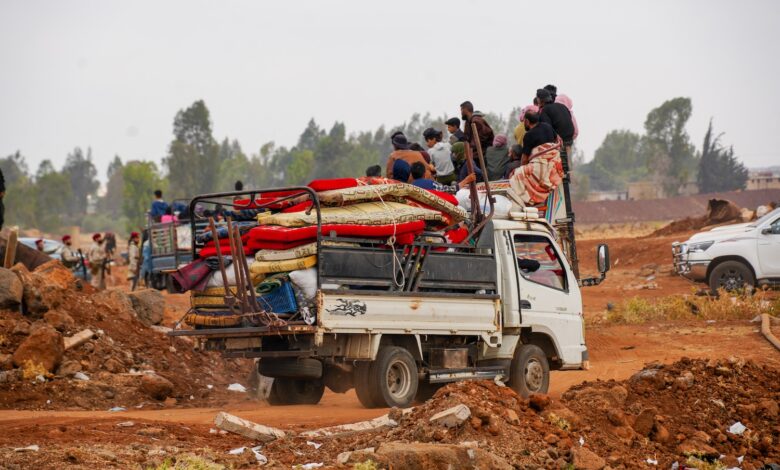
Ahmad al-Sharaa’s reign has unleashed a brutal reality: minority communities are being hunted down in a wave of sectarian bloodshed — often live-streamed by the killers themselves.
With Syria’s army still in flux, it’s not always clear whether these gunmen answer to the state or act beyond its reach. What is increasingly evident is that Al-Sharaa is leveraging the chaos as a pretext to forcibly seize territory not under his control.
The more al-Sharaa tries to unify Syria by force, the more he fails. His military push is accelerating fragmentation, deepening mistrust, and fueling resistance to his rule.
When Bashar al-Assad was overthrown in December, he controlled about 60 percent of Syria. Since al-Sharaa was installed as the interim president, little has changed in terms of the country’s fragmentation.
The Syrian Democratic Forces (SDF) still control about 25 percent of the country. The Turkish military and its proxies occupy roughly 10 percent. The Druze in Suwayda have retained a degree of informal autonomy from Damascus, while Israel has increased its presence in the south.
Escalating Violence Against Minorities
In March, more than 1,500 Alawites were massacred in coastal areas. A Reuters investigation traced the chain of command back to Damascus, where the interim government had called for a general mobilization to “liberate” the coast from regime remnants.
In April, unknown gunmen killed over a dozen Druze civilians in Jaramana, a Damascus suburb, after a fake audio clip surfaced in which a Druze cleric allegedly insulted the Prophet Mohammed.
In June, a suicide bombing at Mar Elias Church in Damascus killed more than 25 Christians during worship.
Now, deadly violence has erupted again — this time in the Druze-majority heartland of Suwayda — following tit-for-tat clashes between local Bedouins and Druze. Echoing earlier tactics, the interim government once again ordered a general mobilization of armed groups.
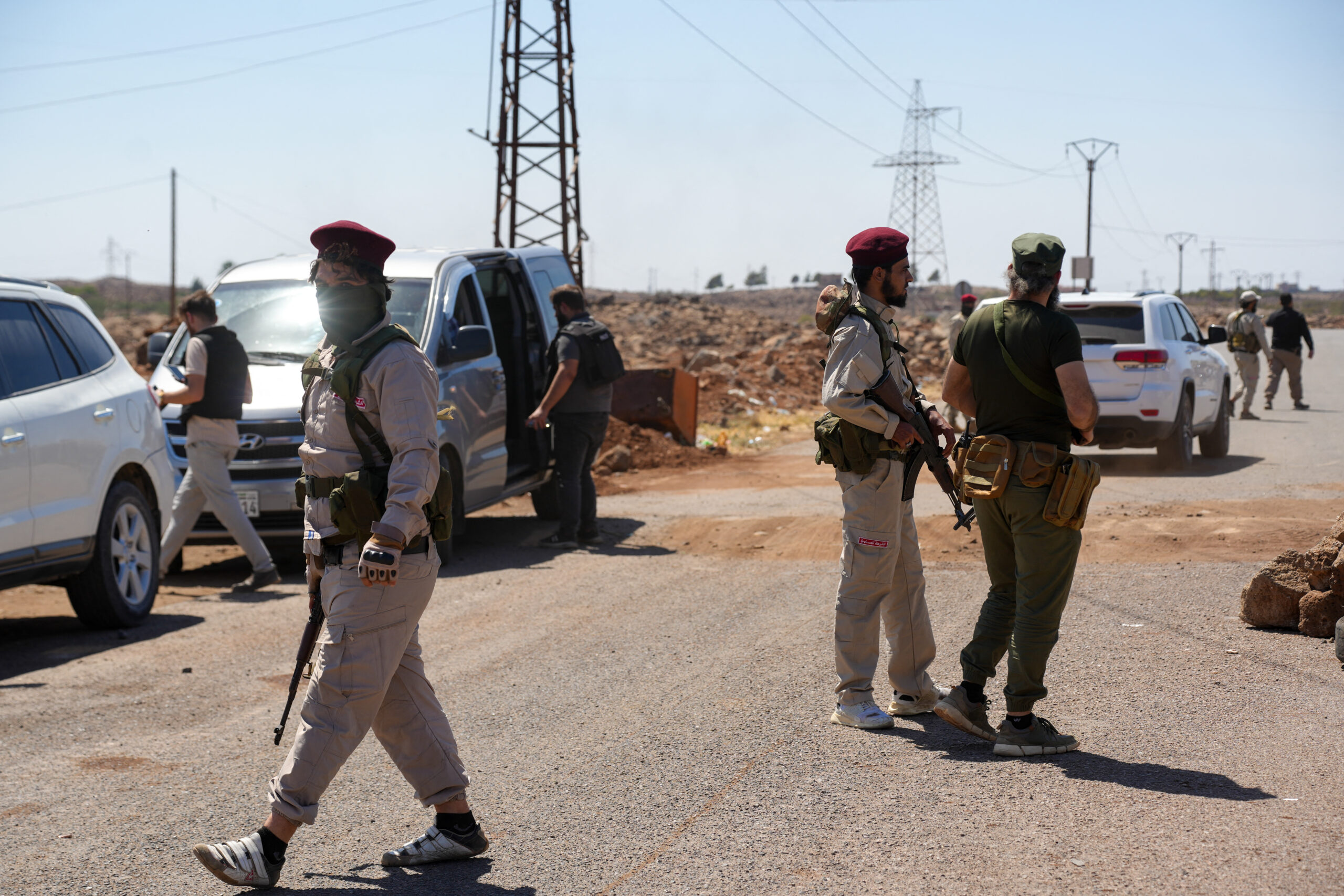
Disturbingly, men wearing Syrian military uniforms have filmed themselves abusing Druze civilians, hurling slurs, and threatening to execute Sheikh Hikmet al-Hijri, the Druze spiritual leader.
Over 1,448 people have been killed, including both civilians and combatants, according to the Syrian Observatory for Human Rights. Director Rami Abdul Rahman described the killings as “field executions,” with bodies strewn across the streets of Suwayda.
US Policy Is Fueling the Fire
This campaign of violence against minorities comes amid international calls for armed groups, including those protecting minority communities, to disarm.
The latest escalation in Suwayda followed remarks by US Special Envoy to Syria and Ambassador to Turkey, Tom Barrack, who stated on July 9 that Washington had “complete confidence in the Syrian government and the new Syrian government’s military.”
Just two days earlier, the US revoked the Foreign Terrorist Organization designation for Hayat Tahrir al-Sham, a former Al-Qaeda offshoot. In a TV interview, Barrack even compared al-Sharaa to George Washington, noting that he too fought many battles before becoming president.
Taken together, these moves likely emboldened al-Sharaa to attempt to seize Suwayda by force. The Druze have expressed willingness to integrate their armed groups into the new Syrian army but only after the violence ends and their rights are enshrined in the new constitution.
Instead, al-Sharaa appears to be repeating his earlier coastal playbook: using force to bring minority communities under central control. In a speech on July 19, al-Sharaa praised Bedouin tribal mobilization, while referring to Druze armed groups as “outlaws.”
As Human Rights Watch noted, this raised concerns that al-Sharaa was “encouraging non-state retaliation rather than promoting lawful, state-led security.”
Promoting Warlords, Ignoring Accountability
As this gruesome violence unfolds, al-Sharaa has also promoted sanctioned warlords into top positions in his new army.
Sayf Boulad Abu Bakr, head of the Hamza Division and sanctioned for trafficking and abuse of Kurdish women, was promoted to Commander of the 76th Division overseeing Aleppo.
Mohammed Hussein al-Jasim — a notorious warlord known as Abu Amsha — led the Suleiman Shah brigade based in Turkish-occupied Afrin. The US Treasury estimates his militia generated tens of millions of dollars a year through abduction and confiscation of property. Abu Amsha now leads the 62nd Division in Hama.
Ahmad Ihsan Fayyad al-Hayes, who led Ahrar al-Sharqiya and was implicated in the assassination of Kurdish politician Hevrin Khalaf, was appointed Commander of the 86th Division, responsible for the very region where Khalaf was murdered.
All three men are sanctioned by the US for egregious human rights violations.
The European Union followed suit, sanctioning Abu Amsha and Abu Bakr in May for their involvement in “horrific crimes” in the coastal areas.
Yet Special Envoy Barrack has not publicly called for their accountability — much less their disarmament. Instead, his focus has been pressuring Druze groups and the SDF to lay down arms.
A Path to Stability
If Al-Sharaa wants to retain the goodwill the United States extended him, he must stop trying to subjugate minorities by force and instead offer protection and meaningful political participation to all Syrians.
That requires broadening political representation and allowing local communities to manage their own security.
This was the overwhelming message I heard on recent trips across Syria — from Suwayda in the south, to Afrin and Aleppo in the northwest, and Qamishlo in the northeast.
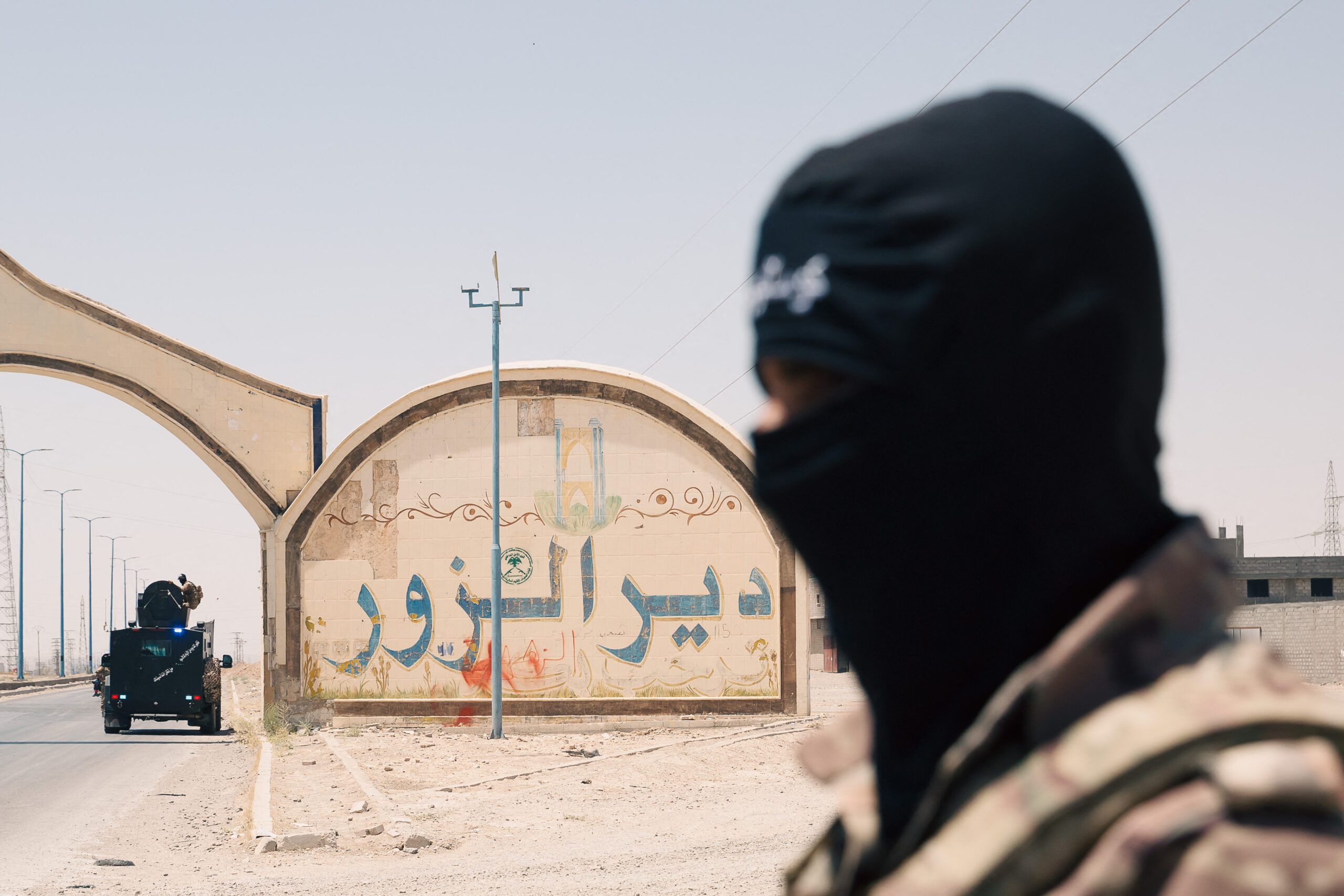
Security should be local: Suwayda run by Suwayda locals, Afrin by Afrin residents, and the northeast by the SDF, a force that has long protected the area effectively.
Meanwhile, Israel has targeted convoys of armed men headed toward Suwayda, citing a need to protect the Druze. Prime Minister Benjamin Netanyahu has now announced plans for a demilitarized zone in southern Syria.
Disarmament Must Come With Guarantees
Unless the violence ends, every other effort — reconstruction, diplomacy, governance — is doomed to fail. The US must move beyond hollow rhetoric and exert meaningful pressure to stop the bloodshed.
Pushing for the disarmament of groups like the SDF and Druze militias is reckless without ironclad guarantees to protect the rights of all Syrians, including minorities.
Al-Sharaa’s attempts to conquer Syria’s remaining autonomous areas by force have repeatedly failed.
Special Envoy Barrack must recognize this and recalibrate his approach — or risk fueling further chaos.
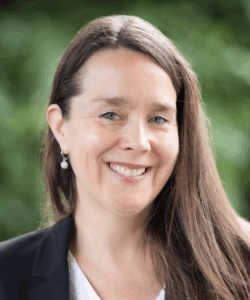 Amy Austin Holmes is the author of three books, including most recently Statelet of Survivors: The Making of a Semi-Autonomous Region in Northeast Syria published by Oxford University Press.
Dr Holmes teaches at Texas A&M University’s Bush School of Government and Public Service in DC, and is a Research Professor of International Affairs at George Washington University.
She previously served at the State Department through a Council on Foreign Relations fellowship.
The views and opinions expressed here are those of the author and do not necessarily reflect the editorial position of The Defense Post.
The Defense Post aims to publish a wide range of high-quality opinion and analysis from a diverse array of people – do you want to send us yours? Click here to submit an op-ed.