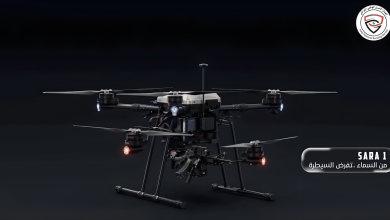
US Army Requests Budget for Infantry Brigade Kamikaze Drones

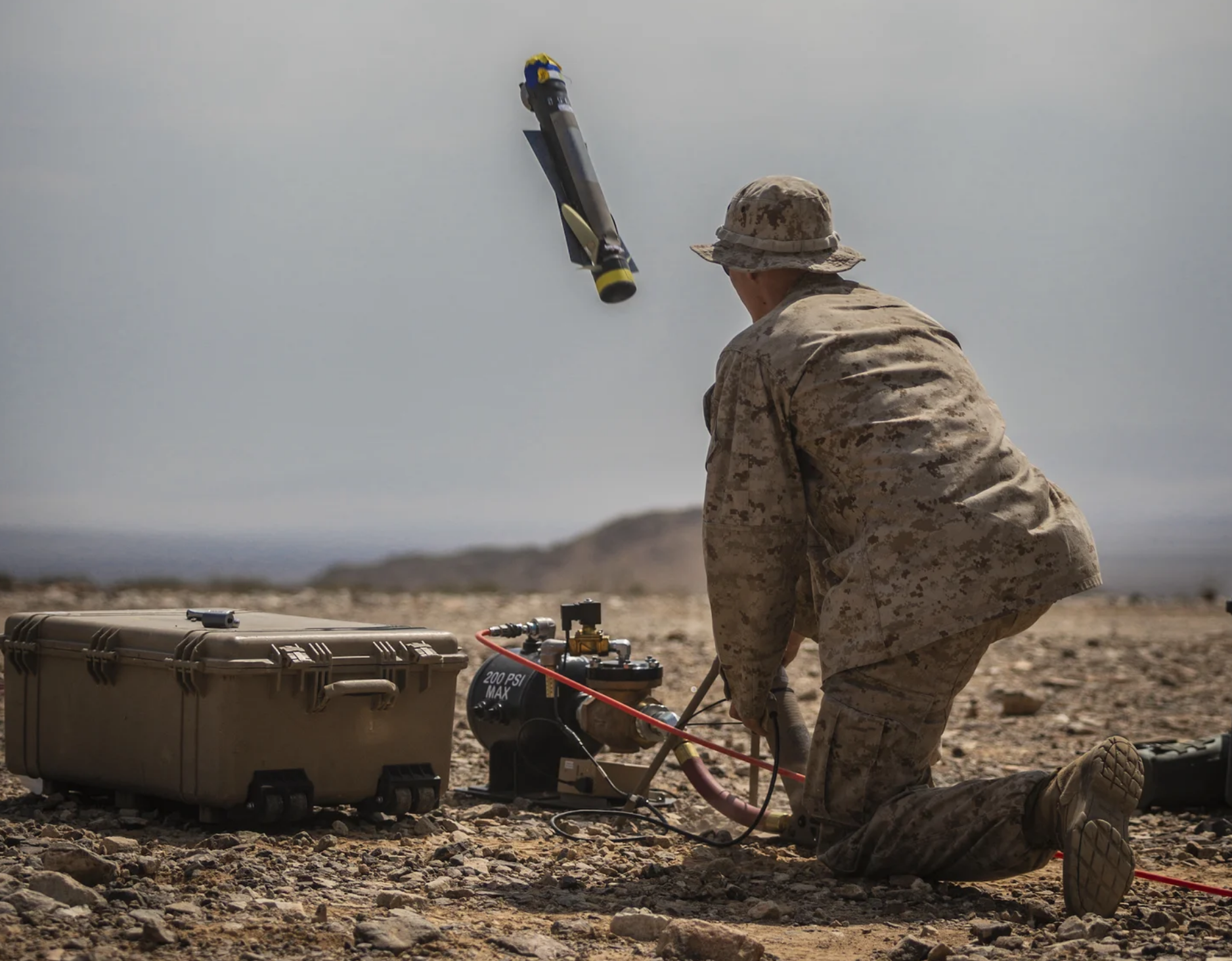
The US Army has submitted a $70-million budget request to acquire components for loitering munitions as part of its Low Altitude Stalking and Strike Ordnance (LASSO) program.
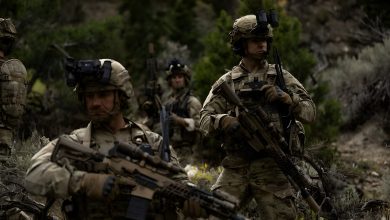
LASSO is designed to deliver precise, long-range fire with minimal collateral damage to protect Infantry Brigade Combat Teams during large-scale operations in complex terrain.
The budget, to be used for rounds and fire control units, was filed for fiscal year 2026 and builds on previous funding for the initiative’s initial stages in 2025, according to a report from DefenseScoop.
If approved, approximately $68 million will fund the procurement of 294 all-up rounds, 98 fire control units, and other necessary components. The remainder will be used to secure 19 additional unmanned aerial system production units.
An earlier update from the outlet stated that the budget request for 2025 was $120.6 million for 434 rounds, 54 fire control units, and 144 kamikaze drones.
Leveraging Switchblade
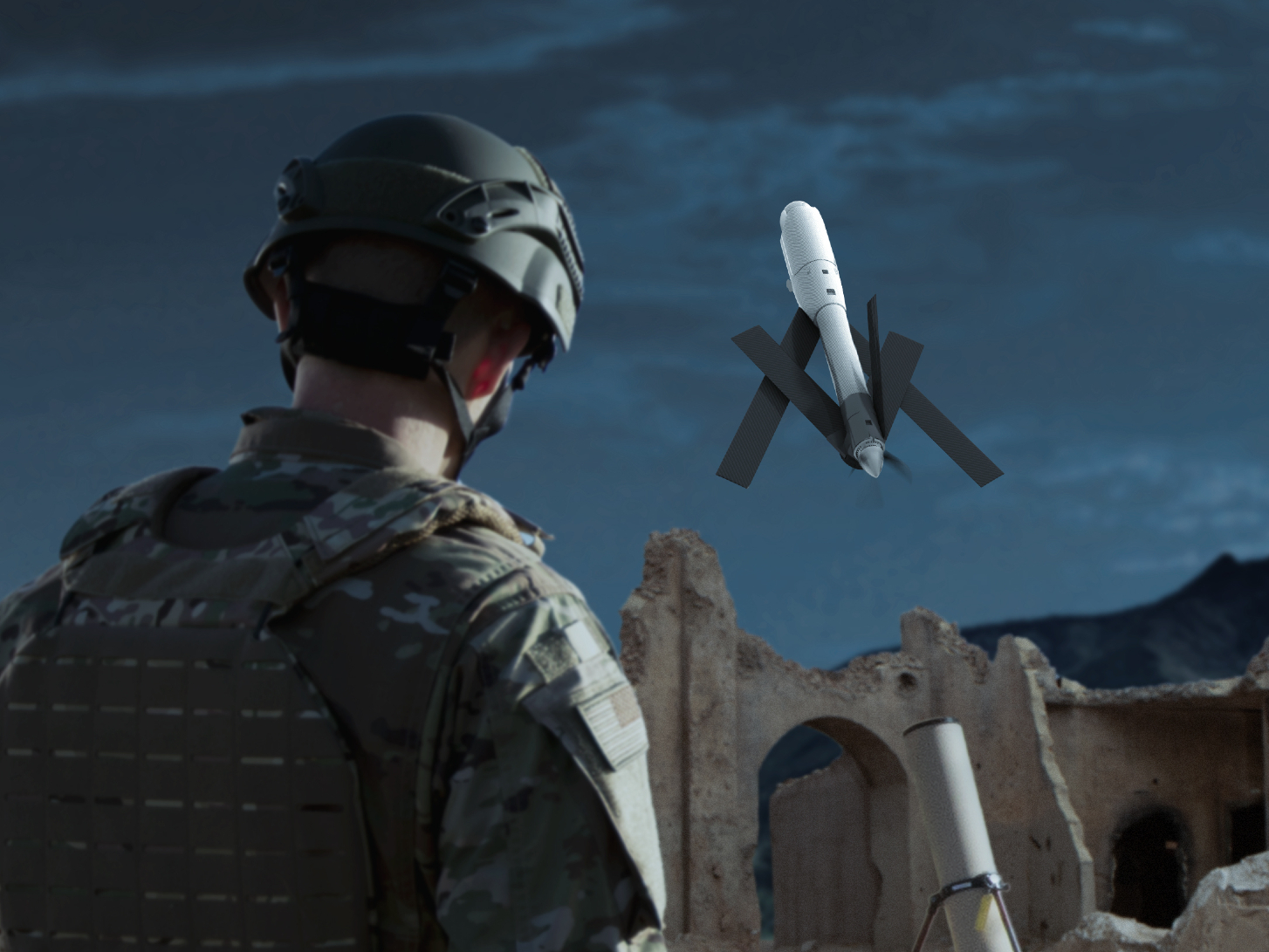
The first increment of LASSO adopted the Switchblade 600 loitering munition produced by Virginia-based AeroVironment.
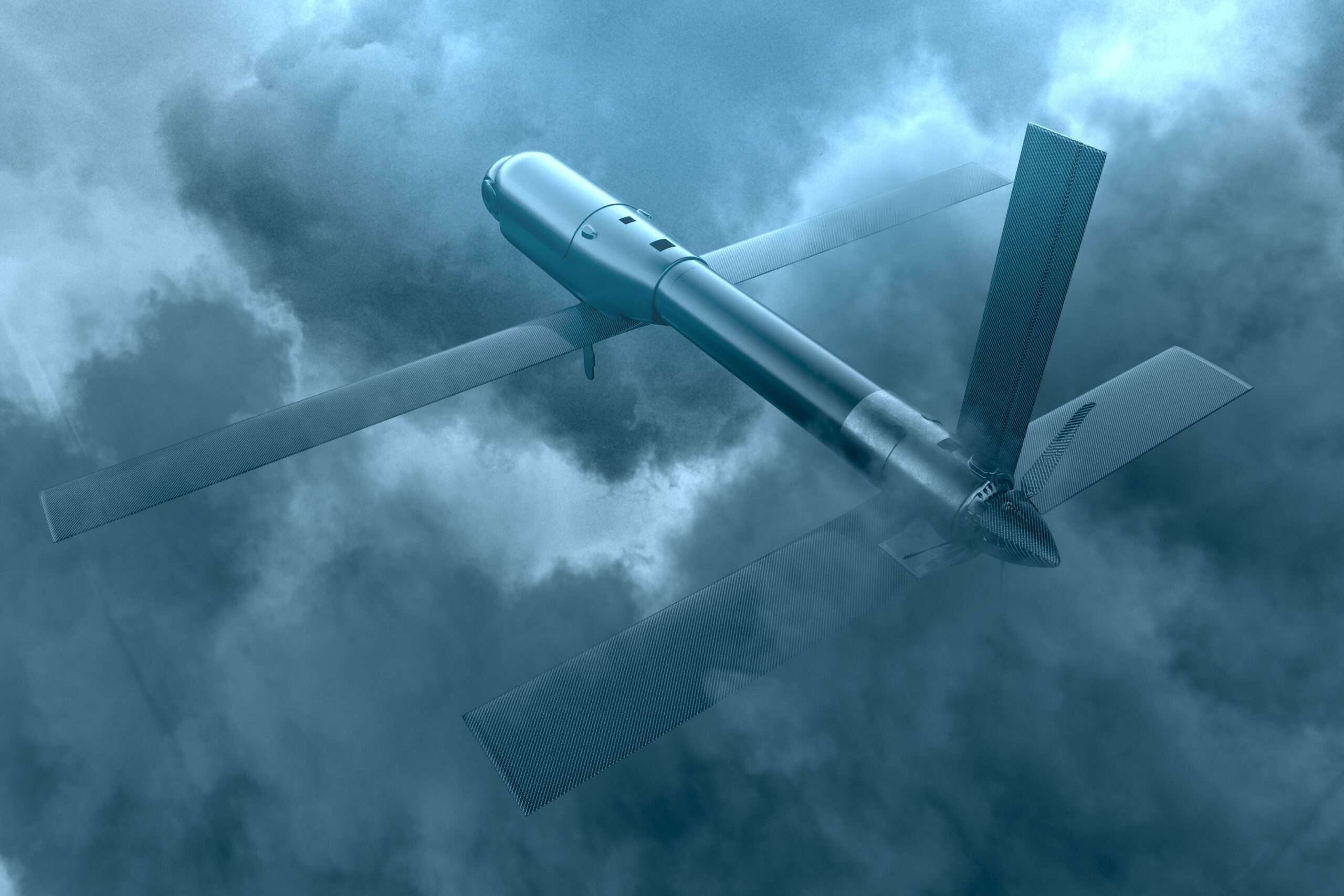
This platform measures 6 feet (2 meters) long, weighs 50 pounds (23 kilograms), and employs a Global Positioning System/Inertial Navigation System for autonomous hovering and strike operations.
Its warhead is designed to destroy armored vehicles, radars, command centers, as well as other critical and time-sensitive targets.
The Switchblade 600 features up to 40 minutes of flight time, a service ceiling of 15,000 feet (4,572 meters), range of 25 miles (40 kilometers), and a top speed of 100 miles (161 kilometers) per hour.
Modernizing the Army
The LASSO program’s latest funding comes after the US Department of Defense’s decision to move forward into a “leaner, more lethal force.”
This objective aligns with the Army Transformation Initiative, which seeks next-generation solutions to enhance soldier performance and protection in the evolving warfare environment.
“The Army Transformation Initiative…is a strategic shift. Reinvesting resources to ensure our future dominance as part of the Joint Force,” a senior military official explained at a recent Pentagon media briefing.
“It’s a deliberate invest to divest. So, you’ll see both approaches. We made some tough choices to shed outdated systems and programs that no longer meet our demands of the modern battlefield.”