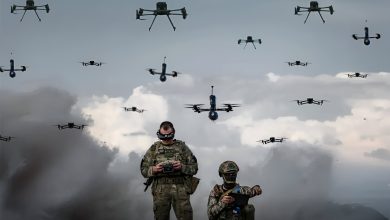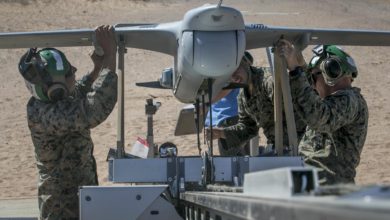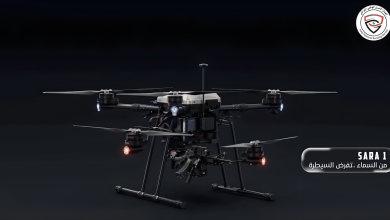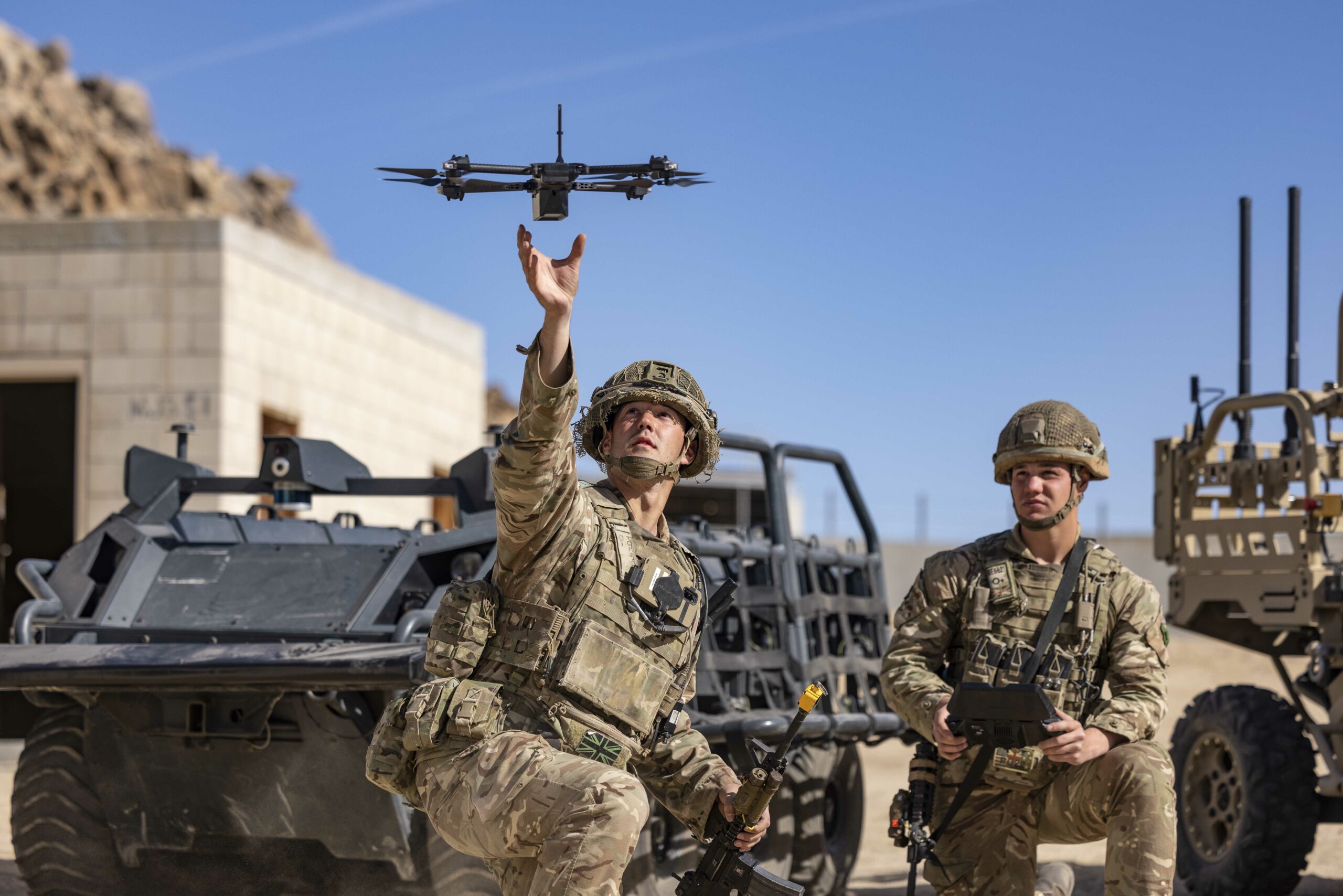
For the first time, the UK has tested multiple autonomous systems operated from a crewed vehicle, with a single operator simultaneously controlling a drone and two ground robots.
Conducted by the Defence Science and Technology Laboratory (Dstl) on Salisbury Plain in southern England, the test also involved Thales, which developed the setup with support from several technology suppliers.
Equipped with cameras and automatic target recognition software, the systems identified and classified threats, transmitting data back to the operator.
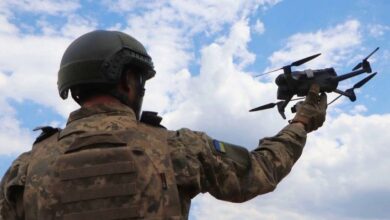
The exercise drew on lessons from the war in Ukraine, focusing on boosting reconnaissance capabilities while minimizing risk to troops near the front lines.
The trial also expanded the UK’s Generic Vehicle Architecture (GVA), a tool for designing vehicle electronics, power systems, and human-machine interfaces, by applying it to autonomous platforms.
As GVA is adopted by NATO, the integration aims to support future interoperability between allied forces by enabling the use of shared autonomous systems, sensors, and software across platforms with reduced cost and complexity.
Dstl plans to apply this trial concept to future missions, including the deployment of swarming drones for intelligence, surveillance, and reconnaissance tasks.
Boosting Security
London is ramping up its push into autonomous defense tech, allocating 2 billion pounds ($2.7 billion) to accelerate the development of drones and uncrewed systems.
The move aligns with the country’s Strategic Defence Review unveiled earlier this month and is part of a broader strategy to boost military capabilities and strengthen the defense industry’s export potential.
This follows UK Prime Minister Keir Starmer’s plan to raise defense spending to 2.5 percent of GDP by 2027, the biggest military buildup in the UK since the Cold War, possibly increasing to 3 percent by 2029.