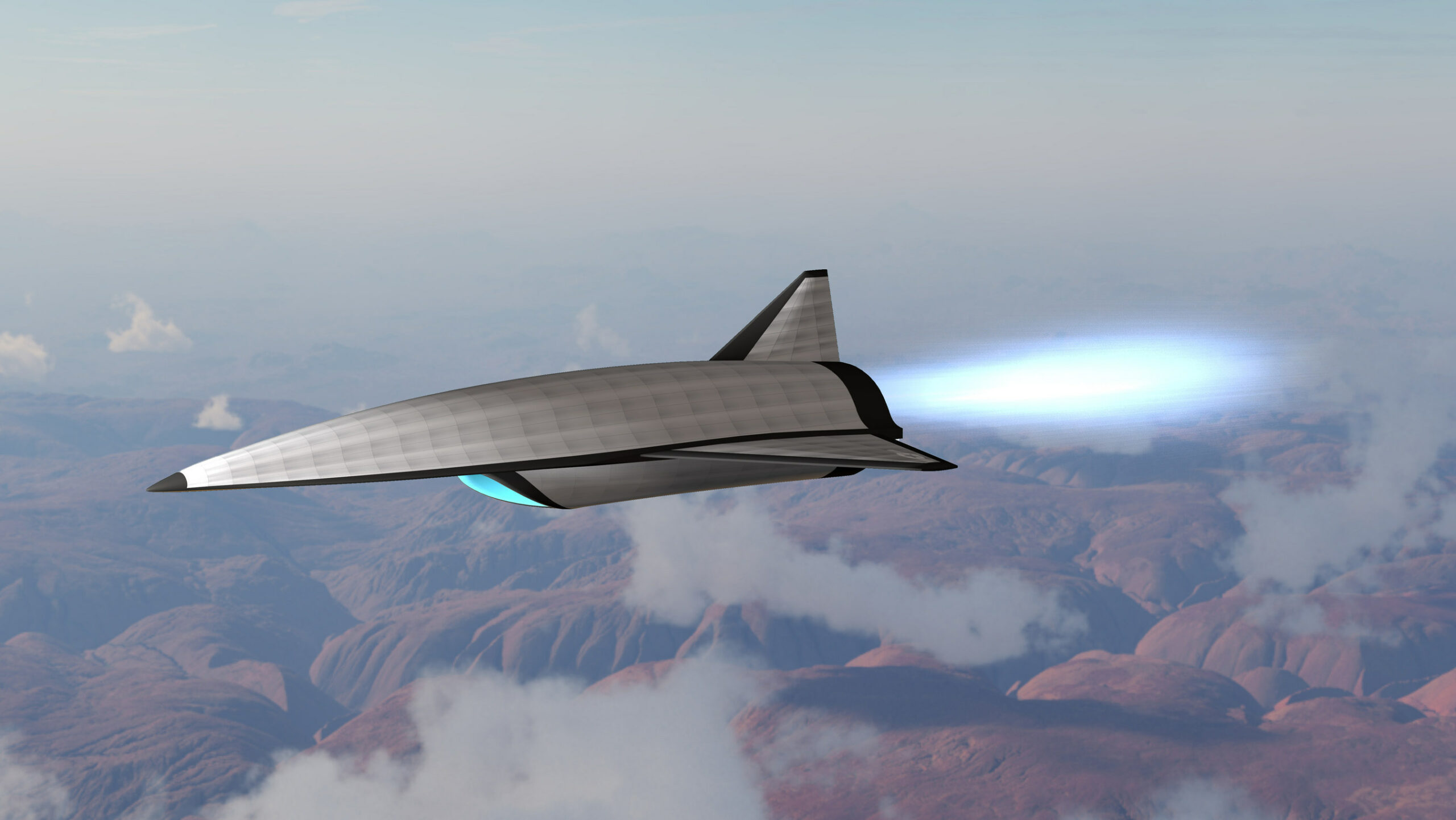
The US Army has awarded Leidos a $2.7-billion contract to move key hypersonic weapons programs from development into production, consolidating two major efforts into a single manufacturing-focused framework.
The contract brings together the Thermal Protection Shield (TPS) and Common Hypersonic Glide Body (CHGB) programs under one production structure aimed at speeding up delivery timelines and stabilizing supply chains for hypersonic components.
Work under the contract will focus on scaling production readiness for critical hypersonic components, including guidance systems, sensor technologies, and precision-strike integration.
Leidos Defense President Cindy Gruensfelder said the deal “is a major step forward in delivering hypersonic capabilities to the warfighter at speed.”
The company has been involved in both programs for several years, serving as prime contractor for TPS since 2021 and CHGB since 2019.
Hypersonic Weapons Development
The Leidos contract comes amid a broader push by the US military to transition hypersonic weapons from prototypes into deployable systems across multiple service branches.
In March, Palladyne AI subsidiary GuideTech was tasked with developing a long-range missile designed to balance affordability with near-hypersonic strike capability.
In February, the Joint Hypersonics Transition Office awarded six contracts to advance next-generation hypersonic technologies capable of exceeding Mach 5, targeting key challenges such as extreme heat, maneuverability, and long-range precision.
The US is also improving its capability to confront hypersonic threats, with the Defense Innovation Unit announcing in February that it is seeking advanced sensing systems to support interceptor engagements against intercontinental ballistic missiles and hypersonic glide vehicles.