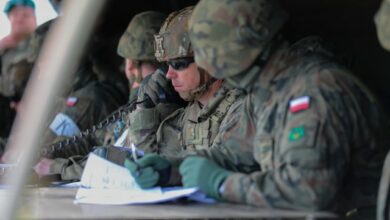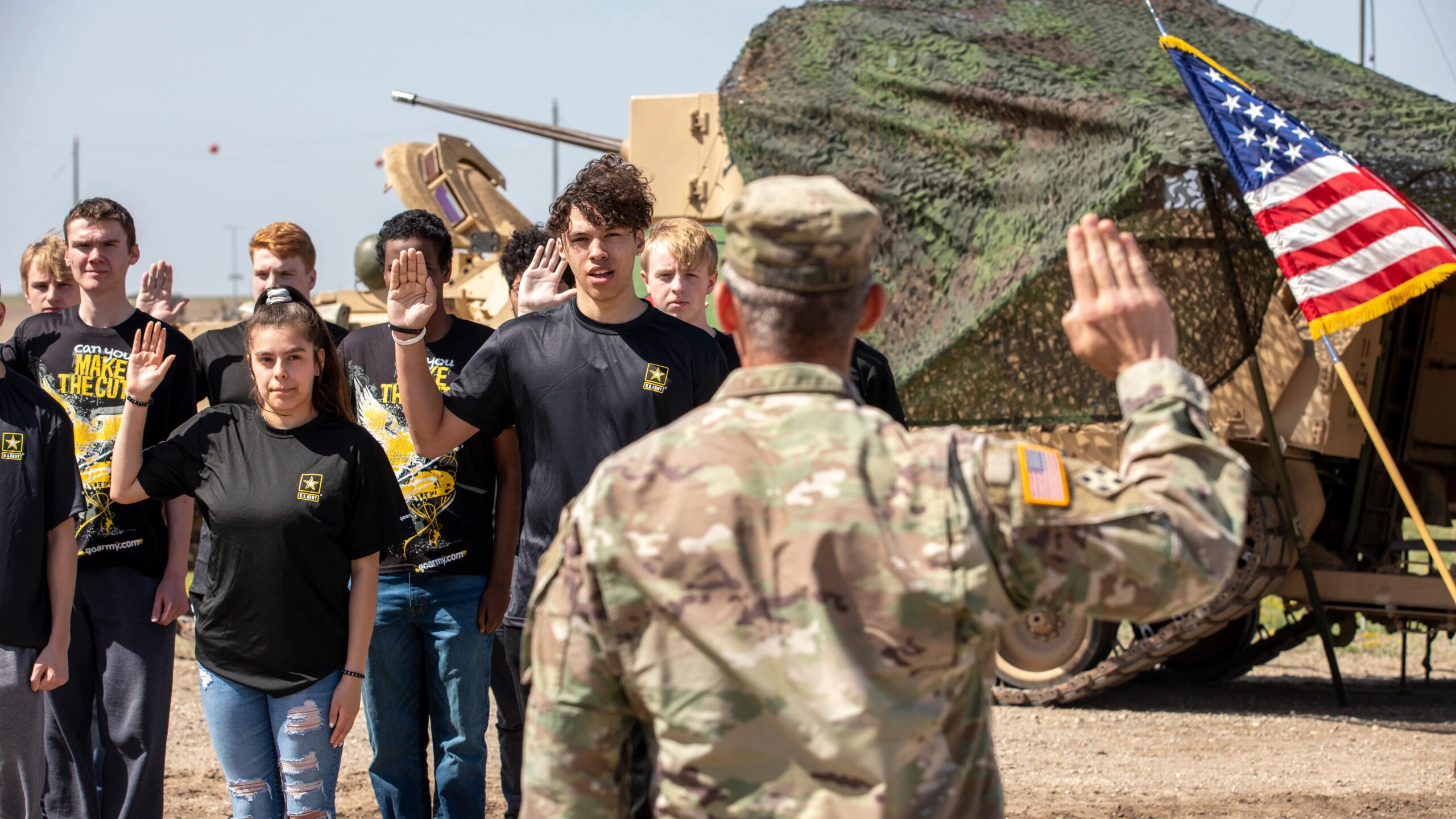
The US Military Entrance Processing Command (USMEPCOM) has introduced a new screening policy that will stop processing military applicants with certain medical conditions considered unlikely to receive a service waiver.
The policy, called “Conditions Unlikely to be Waived,” was developed in coordination with the US military services and recruiting partners, and it applies to 28 medical conditions.
Under the new process, applicants flagged with one of these conditions during the medical prescreen stage will generally not proceed to a Military Entrance Processing Station for a full physical evaluation unless an exception is approved by the relevant service waiver authority.
USMEPCOM said the change is intended to reduce time spent on applicants unlikely to qualify for enlistment, easing the workload for medical staff, recruiters, and waiver review authorities.
Officials said the measure affects only a small share of daily applicants, but could have a broader cumulative effect on processing efficiency.
Examples of conditions listed under the policy include narcolepsy and prior heart valve replacement.
‘Physically and Mentally Capable’
The policy expands on earlier military medical screening measures introduced last year as part of the Pentagon’s broader personnel and military readiness policy priorities under US President Donald Trump’s administration.
In July 2025, Washington identified 13 medical conditions deemed ineligible for service waivers, along with another 13 that require direct approval from a service secretary.
These included chronic kidney disease requiring dialysis, chronic hepatic failure, the presence of an implantable pacemaker or defibrillator, certain neurodegenerative disorders, and the absence of a hand or foot.
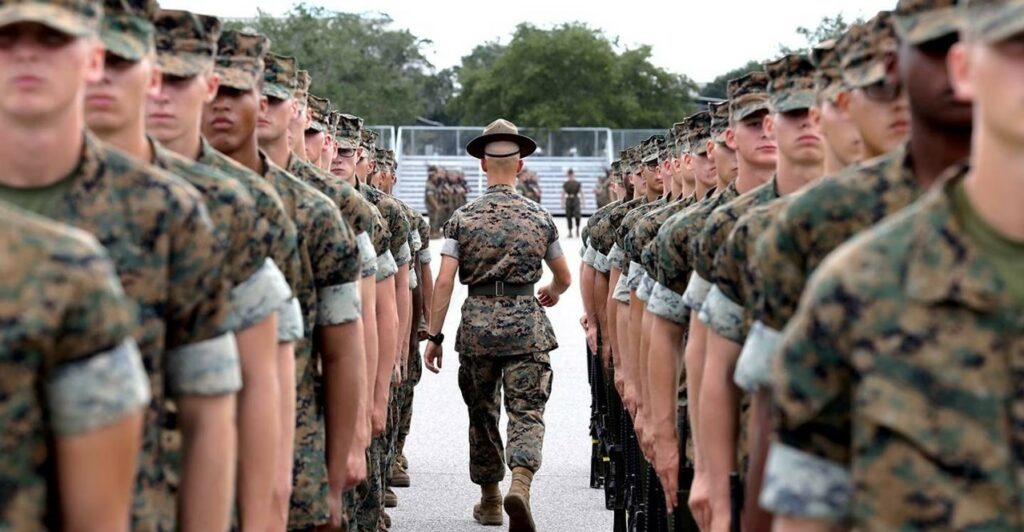
“America’s warfighters must be physically and mentally capable of performing their duties in the harshest of conditions,” stated the US Department of Defense.
“Severe underlying medical conditions introduce significant risks on the battlefield and threaten not only mission priorities, but also the health and safety of the affected individual and their fellow Service members.”