A missile strike flashes across a city, and within minutes, strangers across the world are already piecing together what happened. A video is geolocated by a skyline, shadows reveal the time of day, and satellite images confirm the damage.
This is open source intelligence (OSINT) in action.
Built from publicly available data, OSINT allows analysts, journalists, and everyday observers to reconstruct events with surprising accuracy. It has exposed hidden troop movements, verified attacks, and challenged official narratives in real time.
Explore the full guide to see how OSINT turns everyday public information into powerful, actionable intelligence.
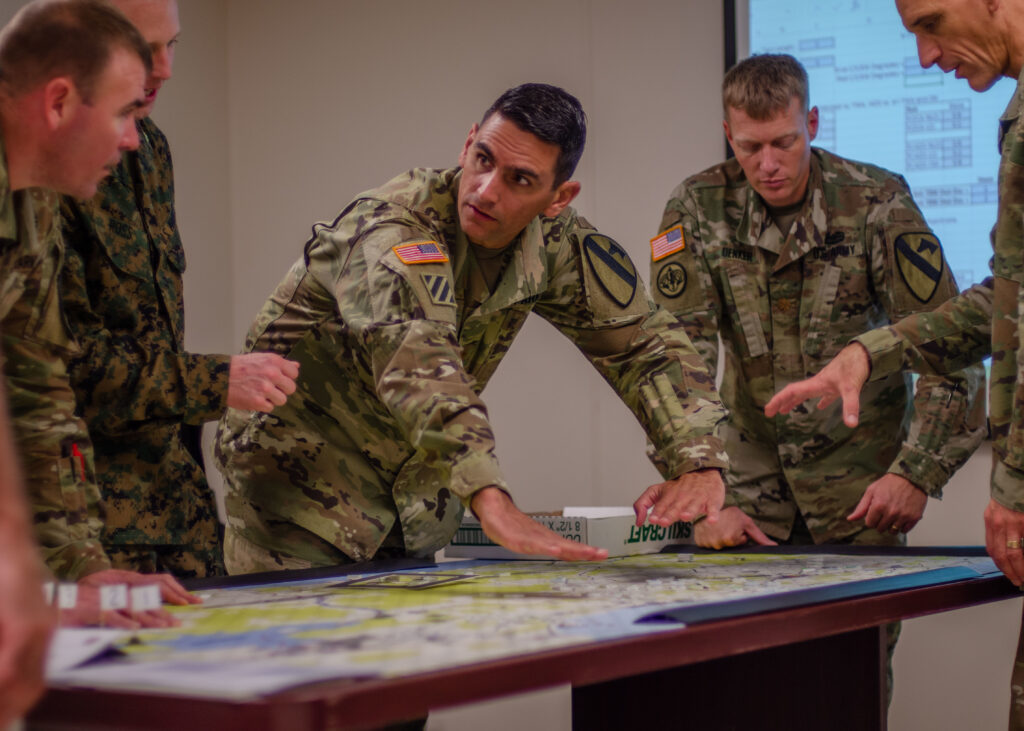
Key Sources of OSINT
OSINT draws on a wide range of publicly accessible sources, each contributing a distinct layer of insight to analysis.
- Online platforms: Websites, forums, blogs, and social media
- Government data: Reports, statistics, court records, and official announcements
- Media outlets: Newspapers, TV or radio broadcasts, podcasts, and digital news
- Commercial data: Market analyses, financial filings, and geospatial datasets
- Physical observation: Public events, signage, and accessible locations
Example: Ukrainian military used satellite imagery, unencrypted radios and cell phones, and social media posts to track Russian troop movements and communications.
OSINT in Action
OSINT generally follows three steps:
- Collection: Gathering relevant information from open sources.
- Analysis: Evaluating accuracy, relevance, and context.
- Dissemination: Delivering actionable insights to decision-makers.
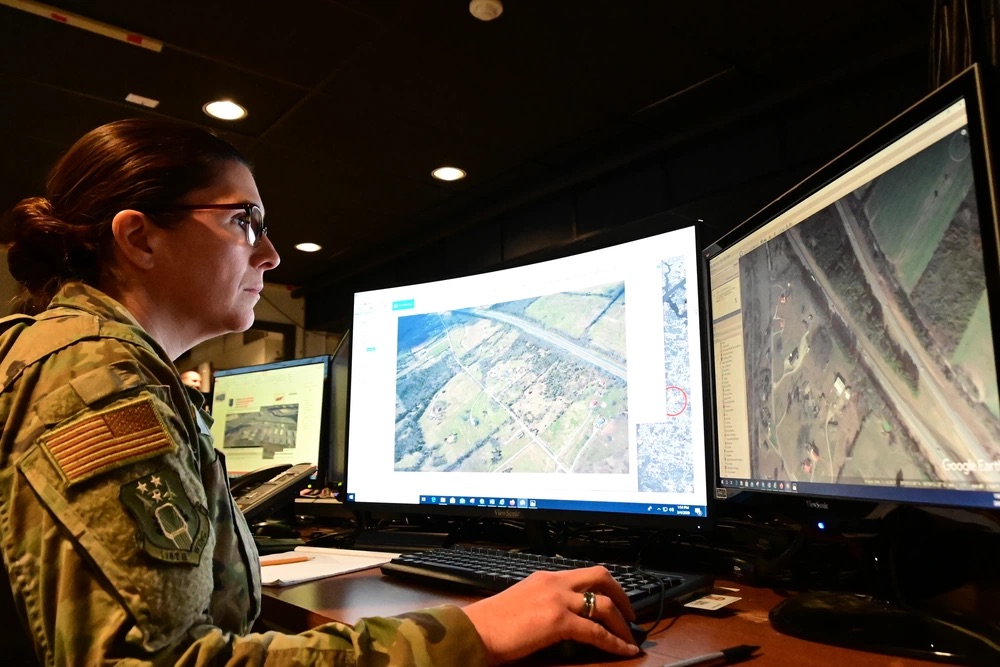
Example: Geolocation, chronolocation, and satellite analysis rebuild events from fragments, locating where something happened, when it occurred, and how it progressed. Satellite imagery confirmed the extent of the 2019 Saudi Aramco Abqaiq–Khurais attack and identified 17 to 19 impact points.
Applications of OSINT
Government and Defense
OSINT has evolved into a silent battlespace where information moves faster than events themselves.
For militaries and intelligence agencies, open data is no longer passive — it is an active tool for detecting threats, shaping early warning systems, and reading geopolitical shifts as they unfold.
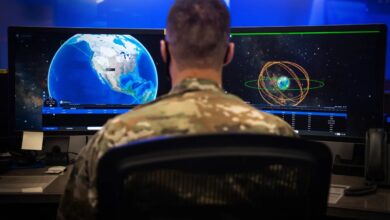
Analysts sift through satellite imagery, public communications, and digital traces to track troop movements, uncover emerging insurgencies, and identify risks before they fully materialize.
In many cases, a single post, image, or news update can ignite a chain of analysis that reveals hidden activity across entire regions, turning everyday information into operational awareness.
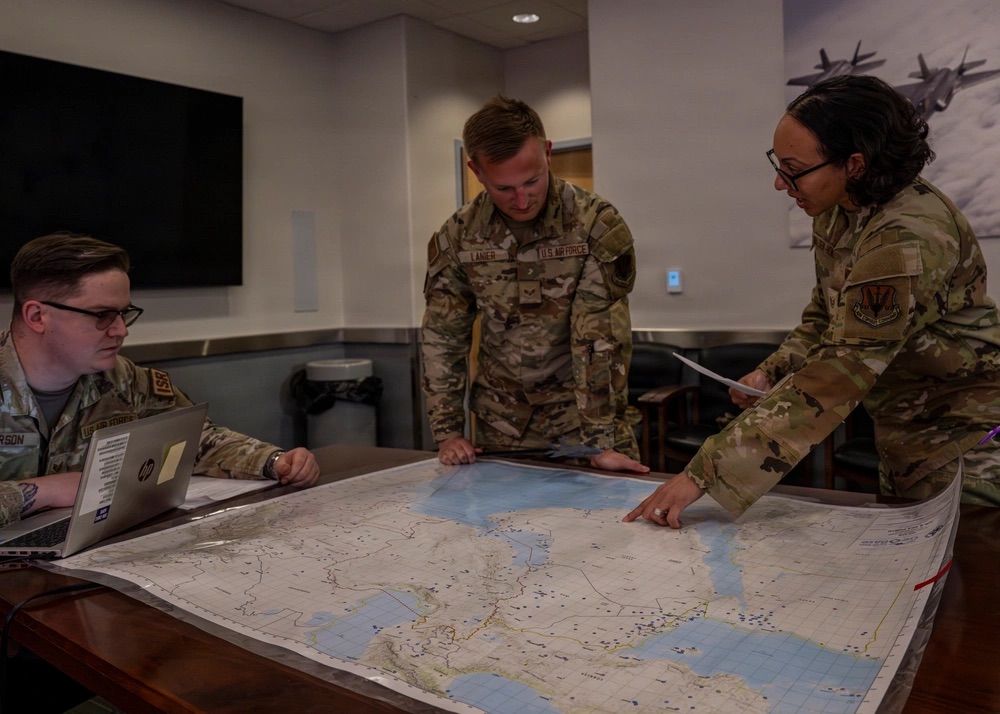
Business and Industry
OSINT plays a growing role in the private sector, helping companies anticipate market shifts, expose operational risks, and defend their brand reputation in real time.
Corporations scan financial disclosures, regulatory filings, and market signals much like intelligence analysts scan a battlespace, looking for early indicators of disruption, competitor moves, or supply chain weaknesses before they surface publicly.
Within the defense industry, companies also track procurement announcements and contract awards to understand competitor positioning and align their strategies with evolving government acquisition priorities.
Journalism and Research
OSINT also underpins investigative journalism and academic research. It allows journalists and analysts to fact-check claims, verify imagery, and uncover patterns that would otherwise go unnoticed.
In military reporting, OSINT can reveal insights into defense exercises, arms transfers, or strategic deployments, helping experts and the public understand evolving security situations without relying on classified information.
Ethical Considerations
OSINT thrives on openness, but that openness comes with responsibility. Analysts are expected to operate within legal boundaries, respect privacy frameworks, and rely on accessible sources rather than restricted systems.
Insights are typically cross-checked against multiple sources, helping ensure that information derived from open data is not only timely, but accurate and reliable.
Example: In defense contexts, the use of publicly available data — such as social media posts or satellite imagery — requires careful handling, as analysts must balance accessibility with legal constraints and the risk of exposing sensitive operational details or troop positions.
Advanced Insights
Experienced OSINT practitioners go beyond basic collection:
- Data correlation: Linking information across multiple sources to reveal patterns.
- Signal vs. noise: Filtering large datasets to focus on actionable intelligence.
- Strategic integration: Complementing OSINT with other intelligence forms for decision-making.
Example: Military analysts combine satellite imagery, social media monitoring, and public reports to assess supply routes or conflict dynamics.
OSINT transforms publicly available data into actionable intelligence. By combining careful collection, critical analysis, ethical practices, and advanced insights, it provides a powerful tool for informed decision-making across government, business, and research domains.