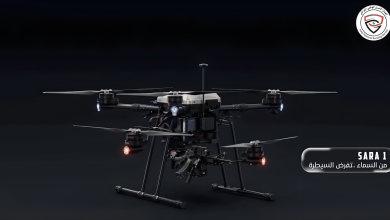
The US Army has demonstrated a drone-dropped bunker-buster munition, signaling a major advance in drone-delivered weapons.
The Bunker Rupture and Kinetic Explosive Round (BRAKER) was live-tested just weeks after its initial design and rapid prototyping, highlighting the service’s rapid push to innovate in response to evolving threats.
First deployed by militants in Syria in 2015, drone-dropped munitions have since been widely used in the war in Ukraine. However, a munition with enhanced penetration capability appears to take the concept to new heights.
As part of its development, an integration kit and interface mechanism are being developed to refine the system for mass production.
“Our Picatinny team went from concept to live-fire in two weeks,” Project Manager Close Combat Systems Col.Vincent Morris said.
“BRAKER proves our ability to rapidly develop and safely deliver devastating effects from small unmanned aircraft systems. We are now creating the architecture with Picatinny Common Lethality Integration Kit and the small universal payload interface for industry to scale this critical warfighter advantage.”
Rapid Development
Led by the US Army Combat Capabilities Development Command Armaments Center and the Project Manager Close Combat Systems, the BRAKER project focuses on rapidly developing a lightweight, powerful, and lethal warhead for deployment from a small, agile drone.
Additive manufacturing, also known as 3D printing, was used to achieve a quick development-to-testing timeline.
Design work began in early March, followed by explosive pressing, housing manufacturing, and integration of the warhead onto a low-cost, expendable one-way attack drone.
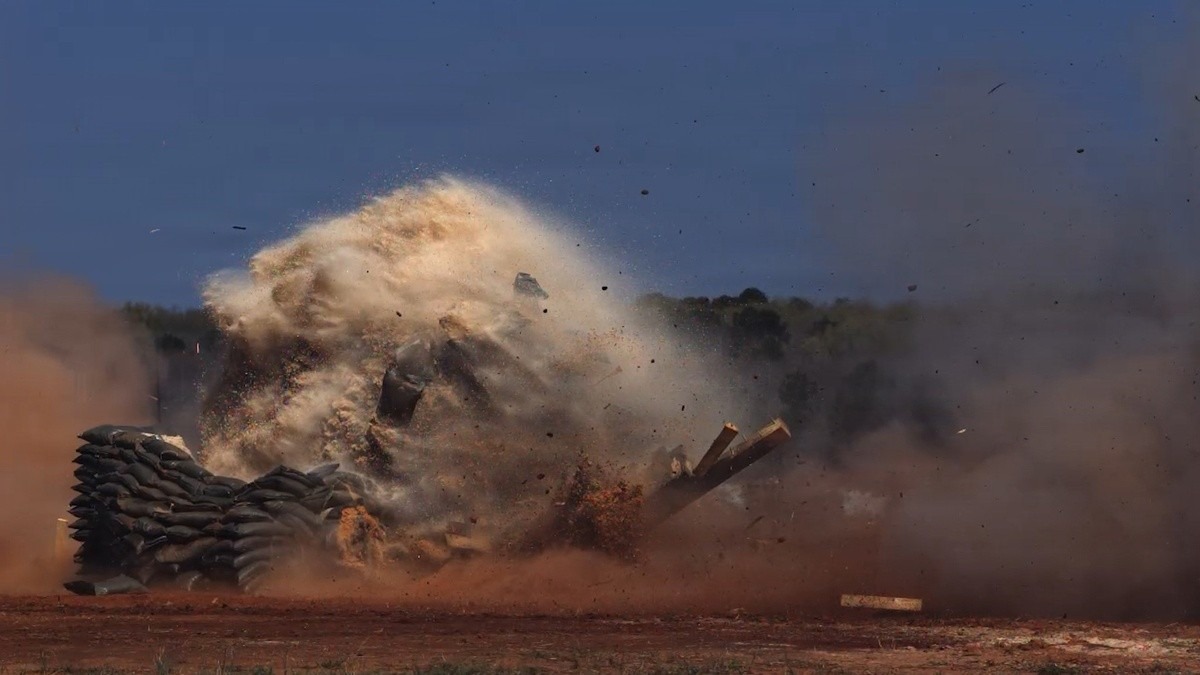
Shortly thereafter, transfer and compatibility tests at Picatinny Arsenal led to the assembly of about a dozen warheads, one of which was tested against a makeshift bunker. Following successful results, a live demonstration was conducted at Redstone Arsenal, Alabama.
“Rapid demonstrations of overwhelming lethality, such as Braker, are attributed to years of continued technology investments and the organic core technical competencies and facilities resident at the [US Army Combat Capabilities Development Command] Armaments Center,” executive director of the Munitions Engineering and Technology Center, Anthony Sebasto, said.