The US Space Force has tested rapid launch timelines with Lockheed Martin, compressing payload processing and simulated liftoff into hours instead of days.
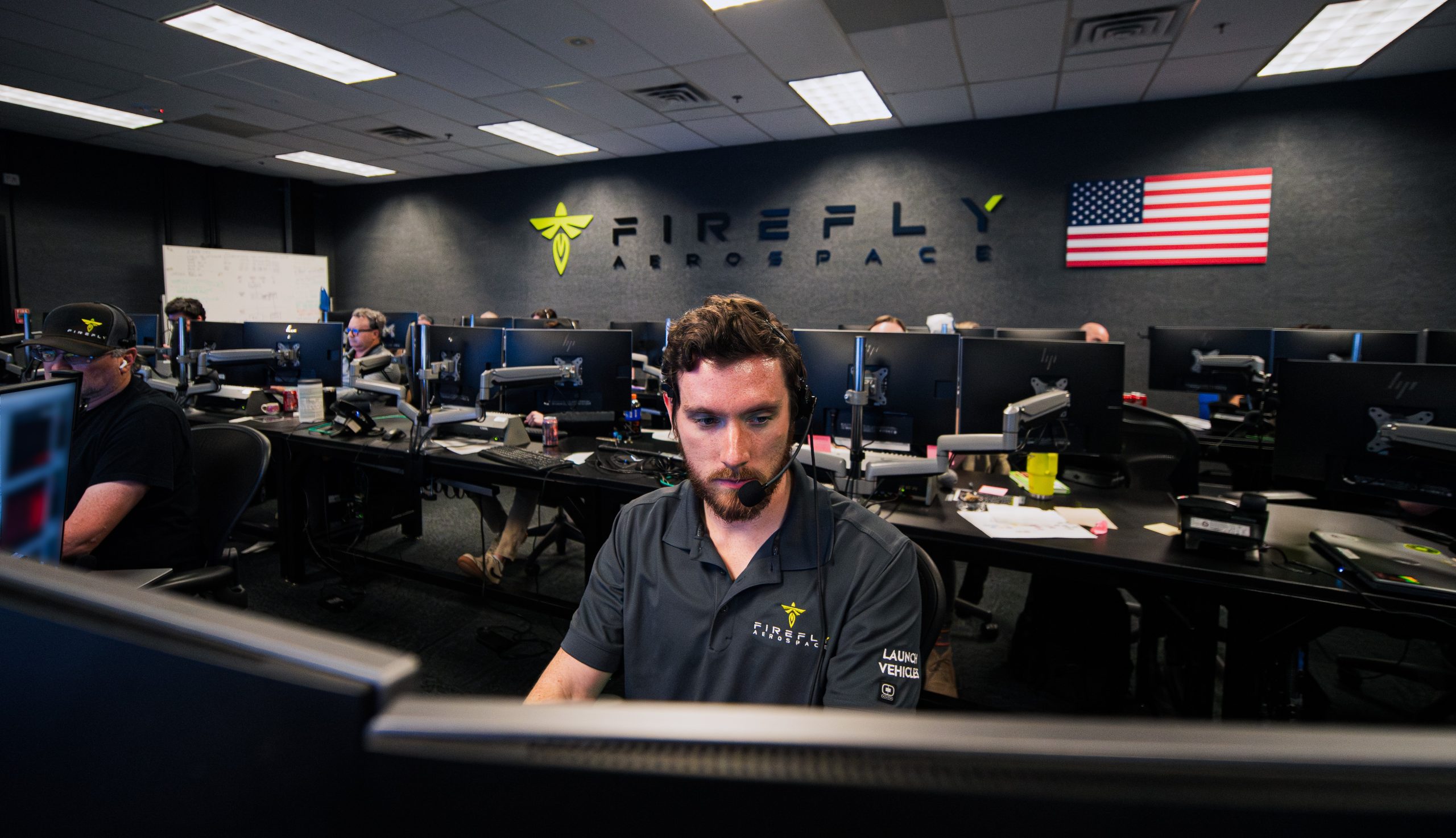
Working with Lockheed Martin and Firefly Aerospace, the service ran the Victus Diem exercise to rehearse tactically responsive space missions under pressure.
The drill demonstrated payload processing in under 12 hours and a full launch simulation completed within 36 hours, reflecting efforts to shrink deployment timelines during crises.
Space Safari’s Director of Operations Cliff Johnson said that “this mission is a powerful demonstration of what is achievable through swift collaboration and the strategic leveraging of our commercial partners to meet critical government needs,” adding that it “provides invaluable insight into the future of responsive space.”
Driving US Space Operations Faster
Beyond exercises, the shift toward rapid and resilient space capability is being backed by contracts and new systems across the past two years.
In 2025, the US Space Force awarded Firefly Aerospace a $21.8-million contract for the Victus Sol mission, aimed at keeping a launch vehicle and payload on standby for rapid deployment.
The contract builds on earlier responsive launch efforts. In 2024, the US Space Force selected Rocket Lab and True Anomaly for the Victus Haze mission, with awards totaling more than $60 million to develop and launch maneuverable spacecraft under compressed timelines.
Launch capacity itself is also expanding. In April 2025, the US Space Force added Rocket Lab and Stoke Space to its National Security Space Launch Phase 3 program, widening the pool of providers capable of delivering defense payloads to orbit.