Trump’s Hormuz Ultimatum: A Trap the US Can’t Escape
Washington can strike or stand down — but neither path delivers a fully reopened, threat-free strait.

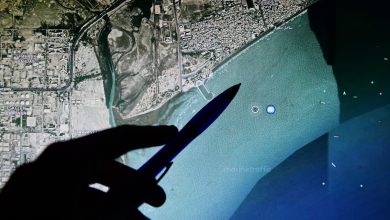
The Strait of Hormuz has become the most dangerous stretch of water on the planet.
Iran doesn’t need to fully close the chokepoint to paralyze it; missile strikes, naval drones, fast attack craft, and mines have already reduced commercial traffic by more than 90 percent.
Tankers are stranded, insurers have withdrawn coverage, and even “cleared” lanes remain effectively unusable.
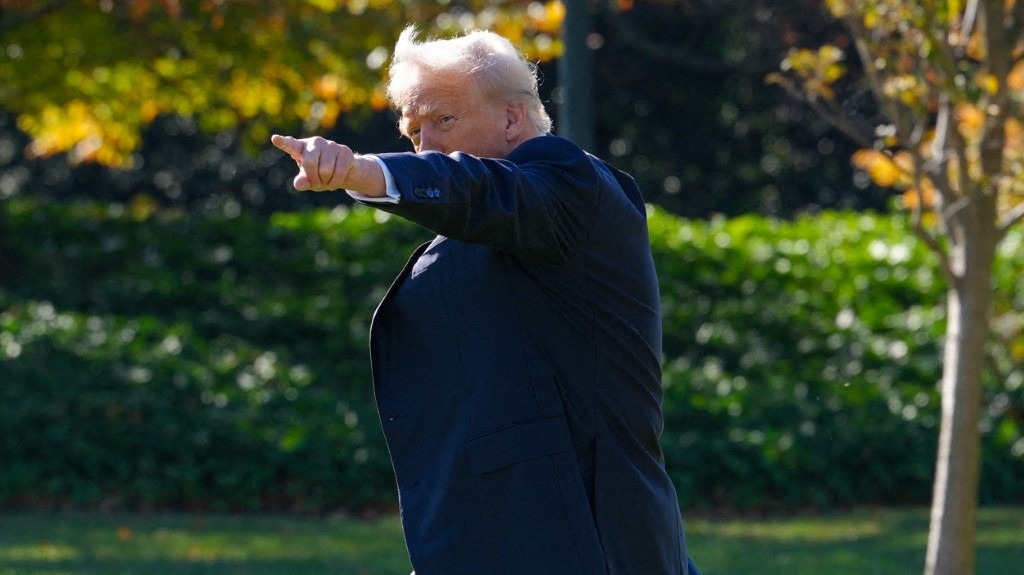
Into this chaos, President Donald Trump issued a 48-hour ultimatum: Iran must restore “full opening without threat,” or the United States will target Iranian power infrastructure, “starting with the biggest one first.”
While Trump later extended the deadline by five days, the escalation remains dramatic — and strategically perilous.
The ultimatum forces Washington into a binary choice it cannot win.
Strike, and Iran has already signaled it will retaliate against Gulf desalination plants and regional energy infrastructure, creating a humanitarian and economic crisis that could last months.
Back down, and US credibility suffers, sending a signal from Tehran to Beijing to Moscow that American red lines are negotiable.
The deeper problem is structural: the ultimatum ties US credibility to an outcome — a fully reopened, threat-free Strait of Hormuz — that military force alone cannot deliver.
Washington can destroy Iranian assets, but it cannot compel insurers to re-enter the market, nor guarantee that shipowners will voluntarily transit a waterway still under asymmetric threat.
Even a successful strike campaign may leave the strait physically open but commercially unusable. This is the essence of the entrapment risk now facing Washington.
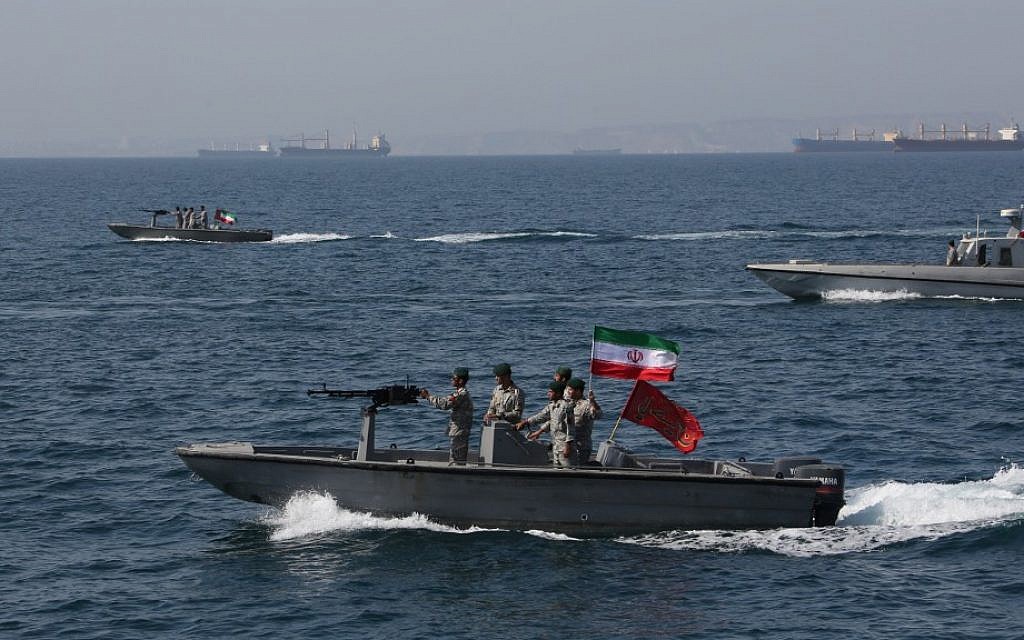
Escalation Ladder: Every Step Narrows Options
If Iran ignores the deadline, the first rung is predictable: US strikes on Iranian power plants. But the next steps are far less controllable.
Iran has declared any attack on its energy infrastructure will trigger retaliation against Gulf desalination plants — the lifeblood of drinking water for the UAE, Qatar, Bahrain, and parts of Saudi Arabia. Millions of civilians would be affected immediately, forcing Gulf governments to prioritize domestic stability over military alignment with Washington.
From there, the conflict could widen.
Iran might target LNG terminals, offshore platforms, or US bases in Kuwait and Bahrain. Each escalation would compel a US response, not because the targets are strategically decisive, but because failing to respond undermines the credibility the ultimatum is meant to project.
Every step up this ladder narrows options and raises risk.
Humanitarian Risk: A New and Dangerous Variable
The threat to water infrastructure changes the game.
It introduces a civilian vector that no Gulf state can ignore, fractures coalition cohesion, and complicates legal and ethical constraints on US operations.
This is not the Tanker War of the 1980s. The stakes are higher, the targets more vulnerable, and the consequences more immediate.
Insurance Paralysis: The Invisible Barrier
Even if the US destroys every mine layer, drone boat, and missile launcher in the strait, commercial traffic will not resume without insurance.
Lloyd’s syndicates have withdrawn coverage. P&I clubs have declared the strait “uninsurable.” Shipowners will not transit a waterway where a single drone strike could sink a $200-million vessel.
Insurance requires sustained threat-free conditions, predictable rules of engagement, and confidence that asymmetric attacks will not resume. None of this can be guaranteed in 48 hours — or even five days. Military clearance alone is not commercial normalization.
Operational Limits: America Cannot Do This Alone
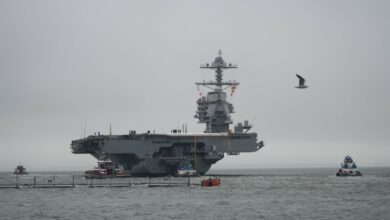
The US Navy can degrade Iranian capabilities, but it cannot unilaterally secure the strait.
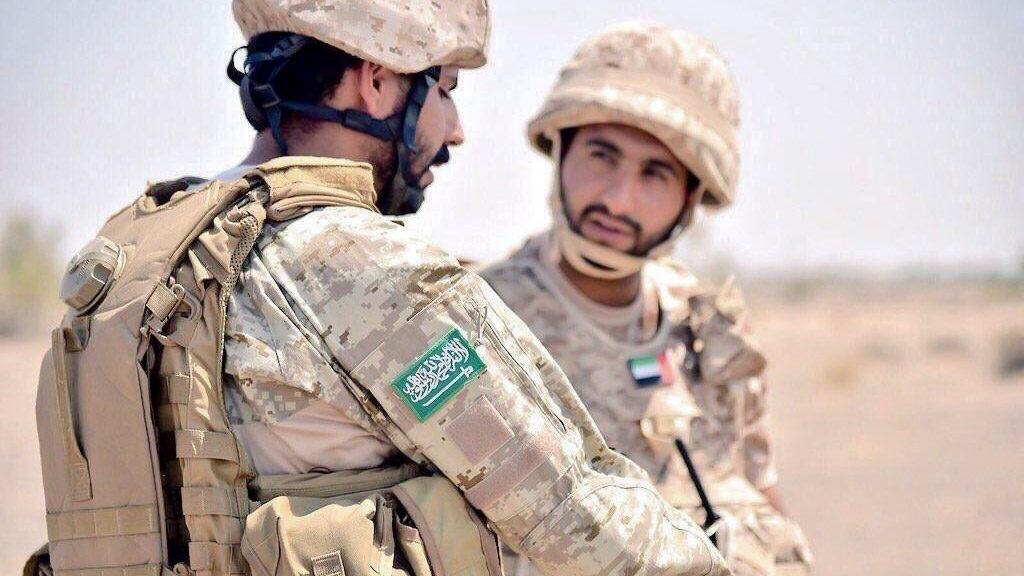
Restoring normal flows would require minesweepers (many retired), persistent air cover, dedicated destroyers for escort missions, and coalition partners willing to share risk.
Japan already calls minesweeping “hypothetical,” Europe is cautious, and Gulf states focus on protecting domestic infrastructure.
A unilateral escort regime would demand months of sustained commitment — exactly the scenario the ultimatum tries to avoid.
Historical Lessons: The Tanker War Isn’t a Blueprint
During the 1987–88 Tanker War, the US reflagged Kuwaiti tankers and escorted them through Hormuz. Even then, it took months to restore confidence.
The US Navy was larger and less globally stretched, Iran’s asymmetric capabilities were more limited, and insurers required stability before returning.
Today, drone swarms, precision missiles, and AI-guided naval craft make escorts exponentially riskier.
History shows reopening Hormuz is possible — but not in a few days, and not without enormous cost.
The Narrow Paths Forward
Washington has three realistic options, none of them clean:
- Strike and escalate: Restores credibility but risks a humanitarian disaster, regional energy collapse, and months of naval entanglement.
- Back down: Avoids immediate escalation but signals that US red lines are flexible under pressure.
- Phased, partial de-escalation: Iran halts attacks, limited traffic resumes, insurers return gradually, US delays or narrows strikes, and third-party mediators like Oman or Qatar broker guarantees. This is the least dramatic but most realistic path — and it contradicts the ultimatum’s binary framing.
The Strait of Hormuz cannot be fully reopened by force alone. Yet Washington cannot ignore the crisis without consequence.
The ultimatum was meant to project strength, but it has instead boxed the US into a corner: strike and escalate, or back down and lose credibility.
Hormuz cannot be forced open — and yet America cannot walk away. In this strait, there is no easy path, only escalating risk.

Charbel A. Antoun is a Washington-based journalist and writer specializing in US foreign policy, with a focus on the Middle East and North Africa.
He is passionate about global affairs, conflict resolution, human rights, and democratic governance, and explores the world’s complexities through in-depth reporting and analysis.
The views and opinions expressed here are those of the author and do not necessarily reflect the editorial position of The Defense Post.
The Defense Post aims to publish a wide range of high-quality opinion and analysis from a diverse array of people – do you want to send us yours? Click here to submit an op-ed.