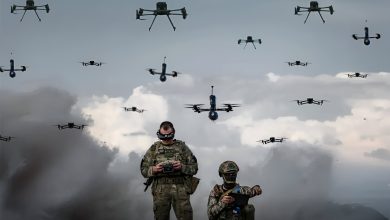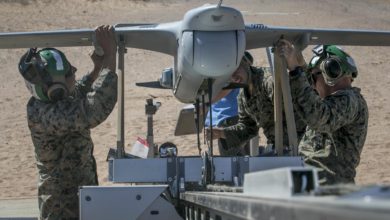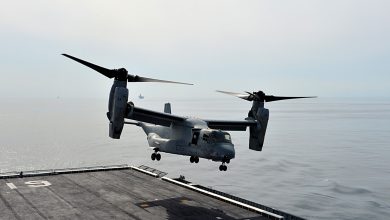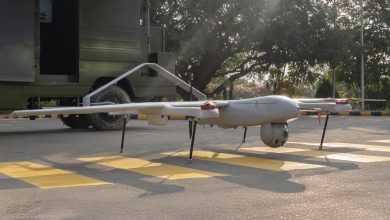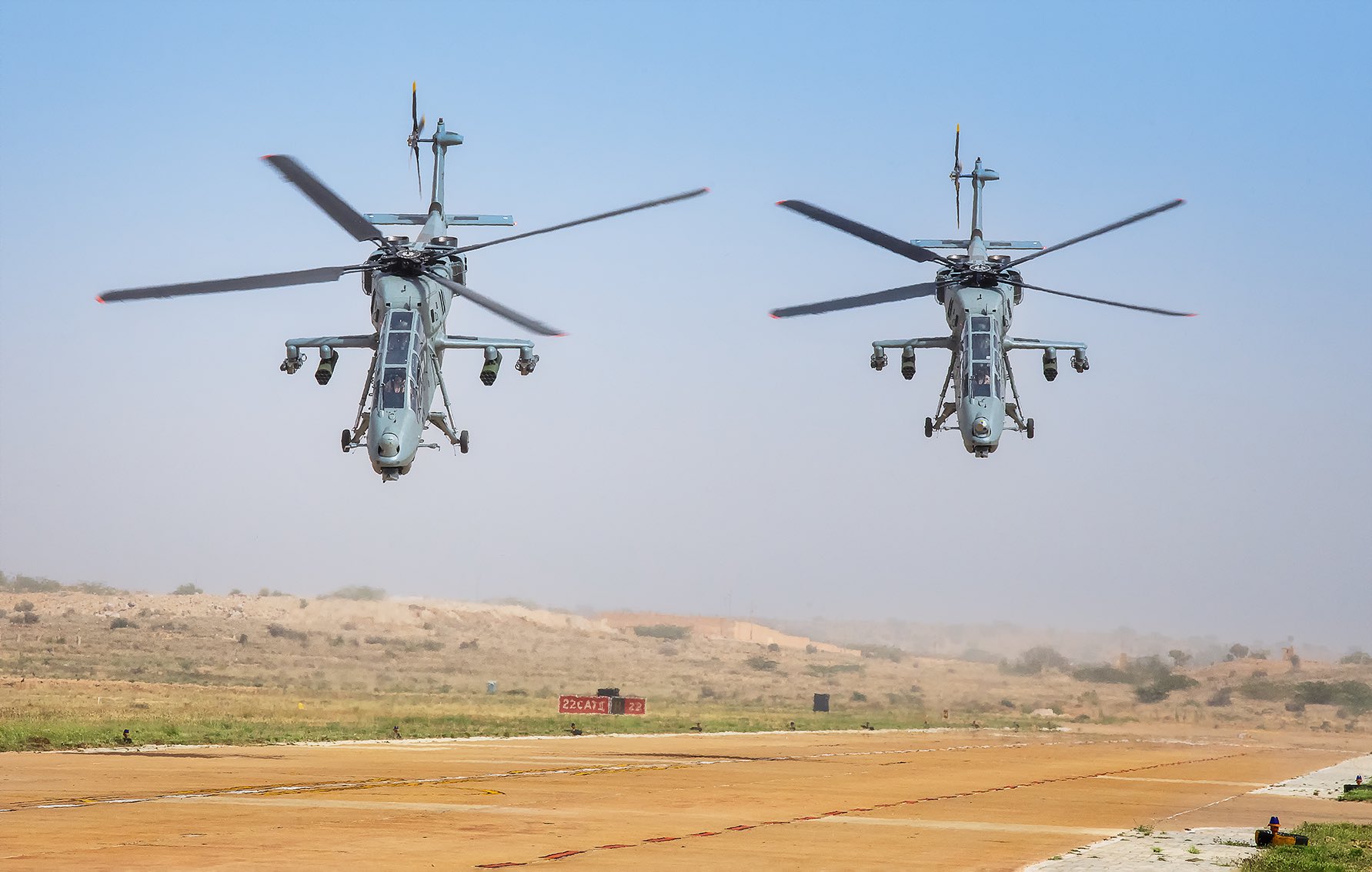
The Indian Air Force (IAF) has begun a helicopter-launched drone project to extend the operational reach and survivability of its rotary-wing platforms.
Called Vaayu Baan (air arrow), the project envisions an unmanned aerial system deployed from a combat helicopter for surveillance and kinetic engagement, enabling stand-off operations while enhancing mission flexibility in contested environments.
Led by the IAF’s Directorate of Aerospace Design, the initiative reflects growing concerns over the viability of rotary-wing platforms amid increasingly sophisticated air defense systems and the rapid rise of drones as a flexible and cost-effective alternative in modern warfare.
The move aligns with global trends.
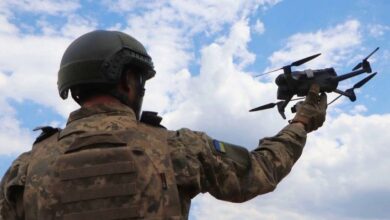
The British Army recently advanced a loyal wingman concept for its Boeing AH-64E Apache helicopters, while the US Army has been progressing its Launched Effects program, featuring a range of air-launched munitions deployable from rotary-wing platforms at varying ranges.
“The aim is to let helicopters engage targets from stand-off ranges while reducing risk to aircrew,” The New Indian Express quoted a source as saying.
“It will also support both ground and airborne control for flexible mission execution.”
Vaayu Baan
According to the project’s request for proposal, the requirement includes 10 drone units, along with two airborne control stations, two ground control stations, and associated payloads and spares.
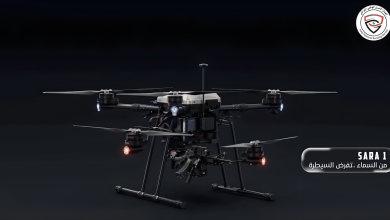
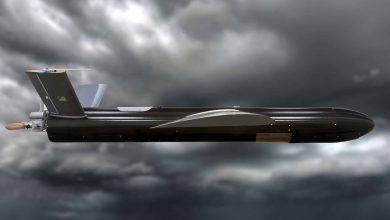
The drone will be deployed from a helicopter’s door or hatch, and after a controlled drop, it will autonomously deploy its wings to transition to guided flight, remaining operable from both the launch platform and ground-based control systems.
Vaayu Baan is expected to transmit real-time video to operators and, if required, execute precision strikes.
Project Requirements
The system will have a payload capacity of 1 kilogram (2.2 pounds), featuring modular mounts for three payload types: an electro-optical/infrared sensor suite for surveillance and target identification, a minimum 500-gram (1.1-pound) warhead for strike missions, and compatibility with 57mm and 80mm rocket munitions.
The platform must remain under control within a minimum range of 10 kilometers (6.2 miles) from the launch platform, while also supporting autonomous operations beyond 50 kilometers (31 miles) with an endurance of at least 30 minutes.
Additionally, the system is required to operate in GPS-denied environments, incorporate AI-driven target identification, provide real-time telemetry, and support configurable strike profiles.
As per the request for proposal, the project is to be fully completed, delivered, and installed within 12 months of the effective date of the contract signing.