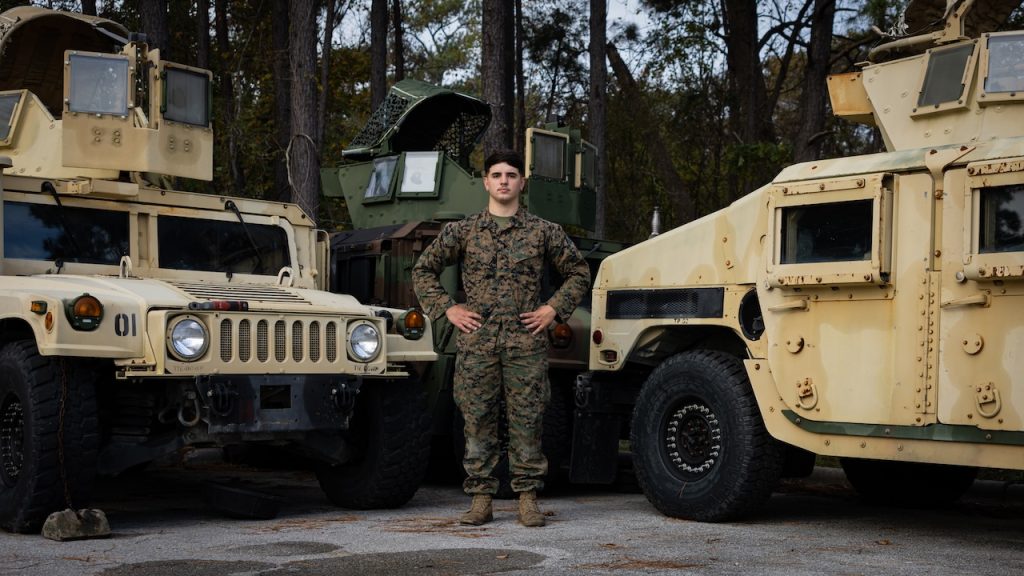
Few military vehicles are as instantly recognizable as the Humvee. Once conceived as a simple utility platform to haul troops and gear, it evolved into a heavily armored battlefield workhorse.
The M1151 High Mobility Multipurpose Wheeled Vehicle (HMMWV or Humvee) represents that evolution at its most refined: a combat-ready, up-armored variant designed to survive in high-threat environments while retaining the mobility that made the Humvee famous.
This guide breaks down what the M1151 Humvee is, how it emerged, how it operates, where it has been used, and what role it still plays on today’s battlefield.
How the Humvee Came to Be
The original HMMWV entered service in 1989 as a lightweight, highly mobile replacement for older utility vehicles like the Jeep. Its early success in low-intensity conflicts did not anticipate the realities of counterinsurgency warfare that would dominate Iraq and Afghanistan after 2001.
As roadside bombs and ambushes became routine, ad-hoc armor kits were hastily added to standard Humvees, often overloading suspensions and engines.
The M1151 series emerged as a response: a purpose-built armored Humvee, engineered from the ground up to handle a variety of weapon systems without sacrificing reliability.
Developed by AM General as a versatile armament platform, the M1151 introduced improved armor integration, a reinforced chassis, upgraded suspension, and a more powerful engine.
It can also be equipped with an optional gunner protection kit and a manual traversing unit for added safety and operational flexibility.
What the M1151 Humvee Is
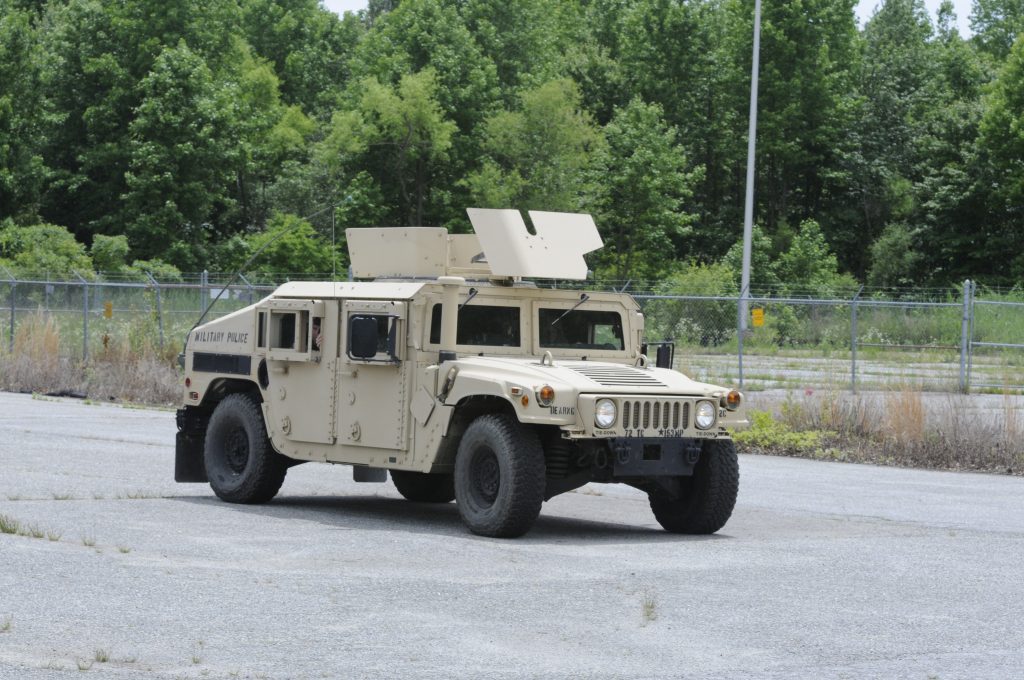
The M1151 Humvee is an up-armored tactical wheeled vehicle designed to transport personnel, weapons, and equipment in combat zones.
Unlike early unarmored Humvee variants, the M1151 was purpose-built with factory-installed armor, making it suitable for patrols, convoy escort, and combat support roles in environments threatened by small arms fire, artillery fragments, and improvised explosive devices (IEDs).
Mobility First, Even With Armor
Despite its increased weight, the M1151 retains the defining trait of the Humvee family: high mobility.
Its 4×4 drivetrain, high ground clearance, and off-road suspension allow it to traverse rough terrain, urban rubble, and unimproved roads.
A turbocharged diesel engine delivers sufficient torque to propel the armored vehicle while powering onboard electronics and weapon systems.
This balance allows the M1151 to operate where heavier mine-resistant vehicles might struggle, particularly in narrow streets or soft terrain.
Protection and Survivability
The M1151’s factory-installed armor offers protection against small arms fire, shell fragments, and limited blast threats.
Bullet-resistant glass, reinforced doors, and armored floors significantly improve crew survivability compared to earlier models.
However, protection remains limited against large IEDs or anti-armor weapons — an intentional trade-off to preserve mobility and strategic deployability.
Weapons and Mission Flexibility
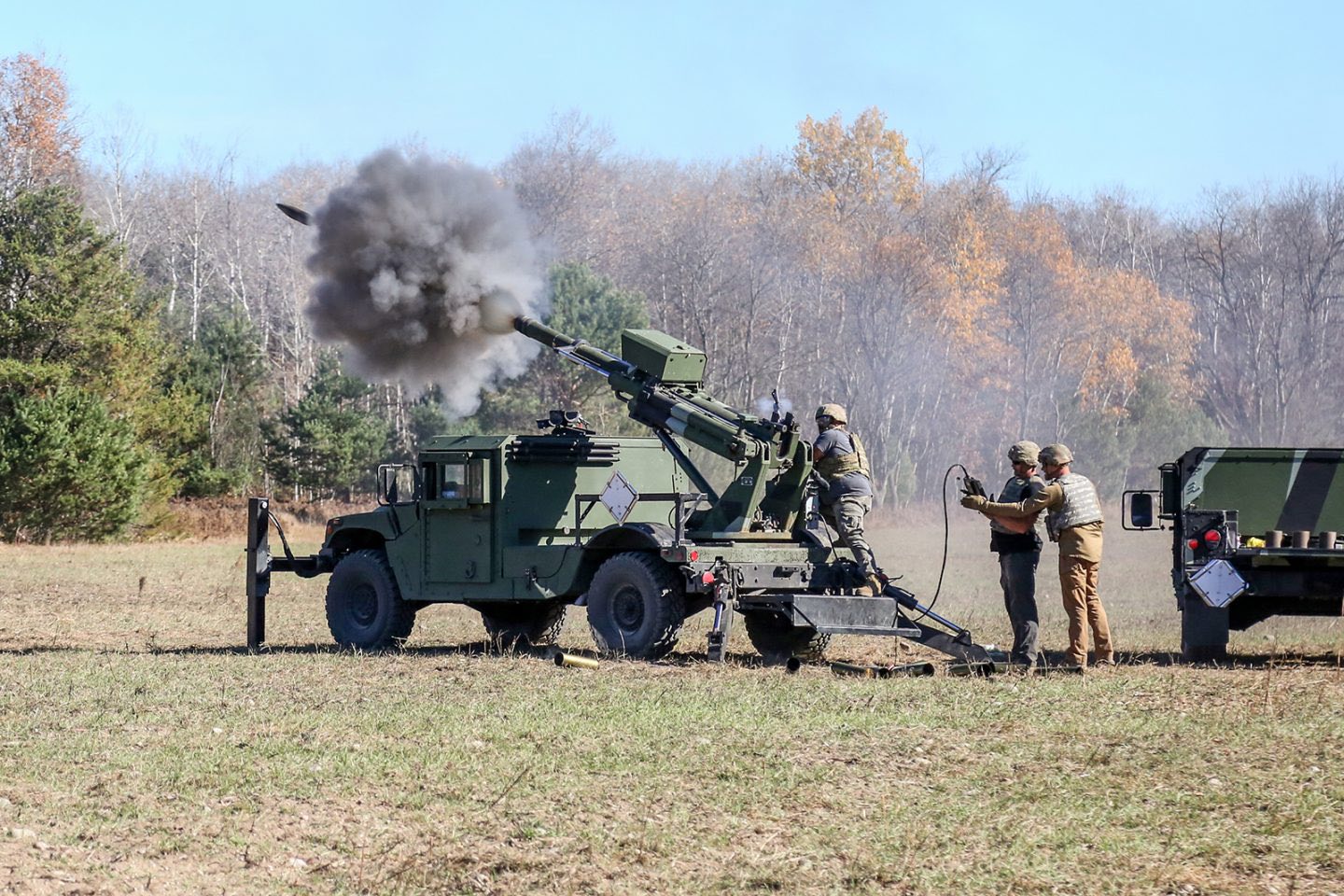
A reinforced roof ring or turret allows crews to mount crew-served weapons, turning the vehicle into a mobile fire-support or convoy-defense platform.
Inside, configurable layouts support roles ranging from command-and-control to patrol, liaison, and logistics escort.
Here is a summary of the Humvee’s features and capabilities:
| Category: | Details: |
| Role | Lightweight, diesel-powered, 4×4 tactical vehicle |
| Base Chassis | M998 common chassis |
| Armament Compatibility | Machine guns, anti-tank missile launchers |
| Dimensions | 15 feet (4.6 meters) × 7 feet (2.1 meters) × 6 feet (1.8 meters) |
| Construction | Steel frame with boxed rails and five cross members; aluminium body |
| Corrosion Protection | Aluminium body provides high corrosion resistance |
| Gross Vehicle Weight Rating | 7,700 pounds (3,493 kilograms) |
| Curb Weight | 5,200 pounds (2,359 kilograms) |
| Maximum Payload | 2,500 pounds (1,134 kilograms) |
| Maximum Speed | 65 miles (105 kilometers) per hour at maximum payload |
| Electrical System | 12V/24V |
| Braking System | Inboard disk brakes on all four wheels |
| Fuel Capacity | 25 gallons (95 liters) |
Strengths and Limitations
Key Strengths
- High tactical mobility in complex terrain: Moves quickly and reliably across difficult environments.
- Integrated armor without extreme weight penalties: Offers protection while maintaining speed and maneuverability.
- Modular and adaptable for multiple missions: Can be configured for troop transport, weapons mounting, or support roles.
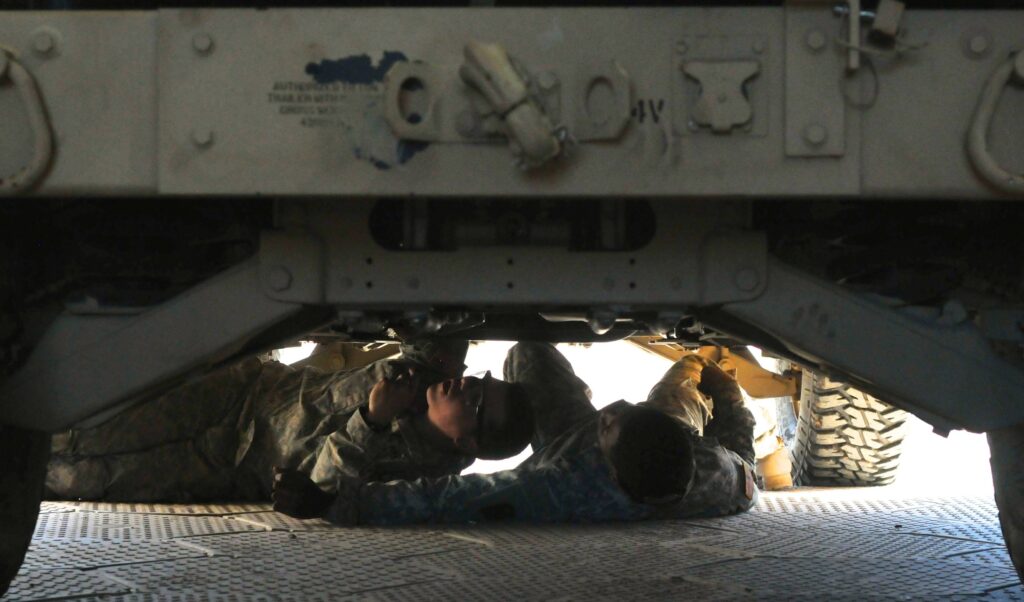
- Proven logistics and maintenance ecosystem: Benefits from an established supply and repair network.
Key Limitations
- Vulnerable to large IEDs and modern anti-armor threats: Can be defeated by high-yield explosives and advanced weaponry.
- Limited growth potential for additional armor: Offers little room for heavy armor upgrades without compromising performance.
- Less survivable than newer protected vehicles: Falls short compared to modern mine-resistant ambush-protected and advanced tactical vehicles.
Where It’s Been Used
The M1151 saw extensive service in Iraq and Afghanistan, conducting patrols, convoy security, base defense, and command missions.
It has also been supplied to allied and partner forces worldwide, where its balance of protection and mobility remains attractive for internal security and expeditionary operations.
Even as newer variants emerge, the vehicle continues to serve in training, reserve units, and secondary roles across multiple militaries.
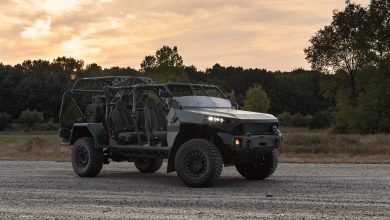
While vehicles like the JLTV are gradually replacing front-line Humvees, the M1151 is far from obsolete. Thousands remain in service, valued for their simplicity, versatility, and ease of sustainment.
In lower-intensity conflicts and support roles, the armored Humvee continues to fill a critical niche.