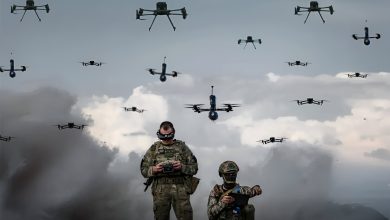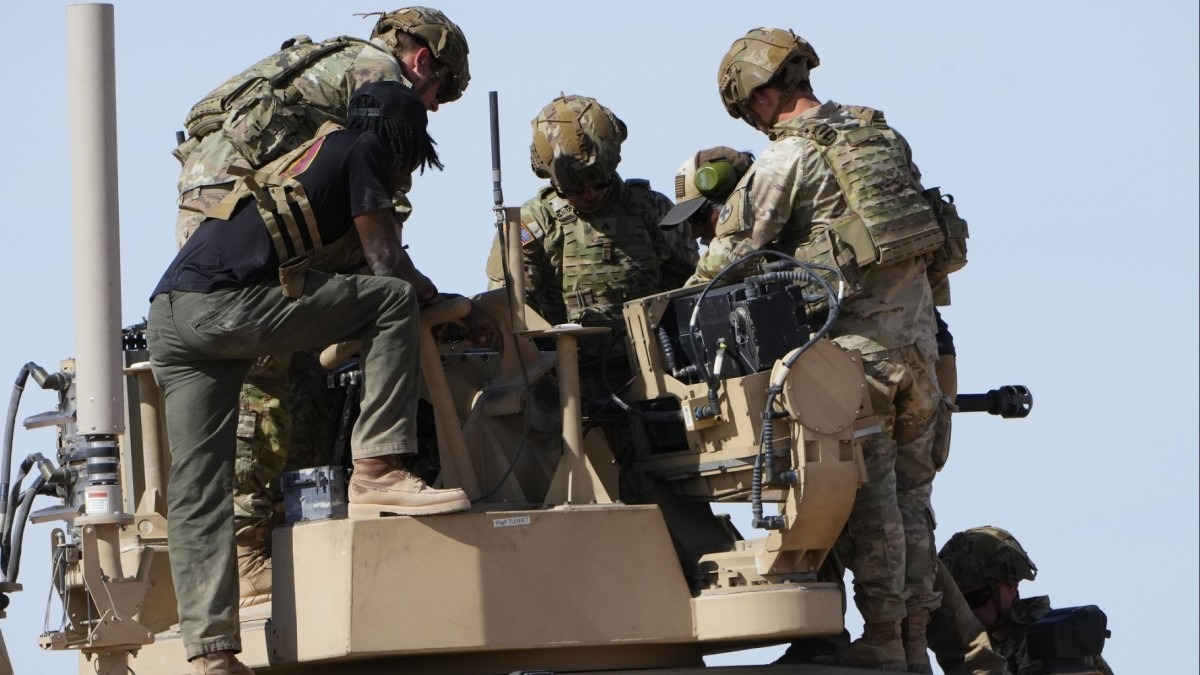
Joint Interagency Task Force 401 has published a new guide regulating the use of counter-unmanned aerial system detection technologies in the US.
Officials said the document aims to provide greater transparency on how these systems are deployed domestically aligning with federal surveillance and communications laws limiting the collection of personal data.
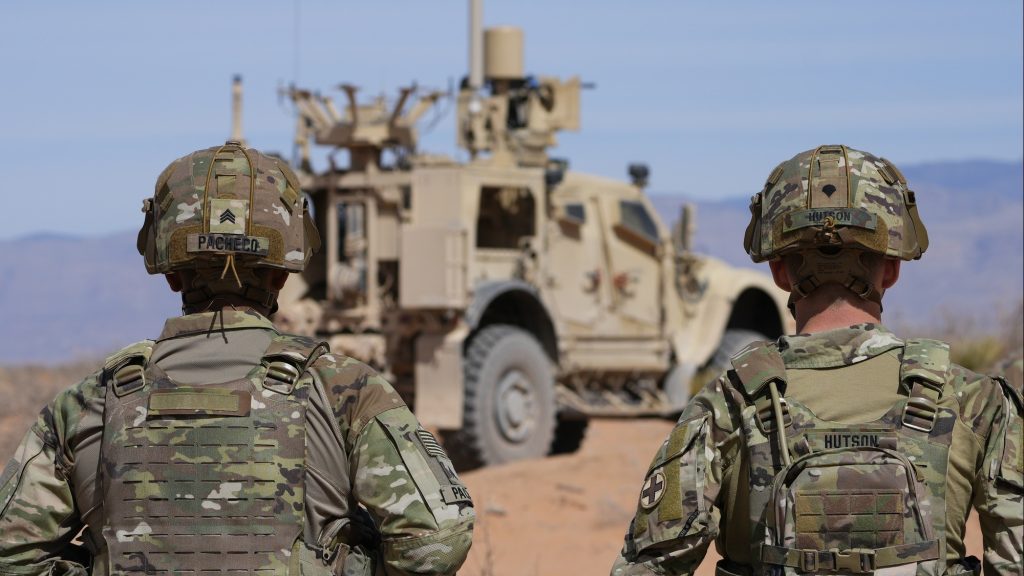
According to the guide, counter-drone detection relies on passive sensing tools, including radar, radio-frequency monitoring, and electro-optical or infrared sensors.
These systems are used to track airborne objects and assess potential threats while avoiding interference with legitimate drone operations.
Detection Technologies and Legal Safeguards
Under US law, intercepting the content of private electronic communications is prohibited.
To comply with these rules, counter-drone detection tools are designed to discard communication payloads and avoid decoding messages.
Additional safeguards include processing signal data in real-time, minimizing data retention, and incorporating privacy protections into imaging systems.
If cameras capture non-relevant personal details, features such as automatic blurring of faces or license plates may be applied.
Federal communications regulations also require all radio-frequency equipment used in detection systems to operate within authorized spectrum limits.
Focus on Counter-Drone Tech
The new guidelines expand on counter-drone measures outlined by the US Department of Defense earlier this year.
In February, the department issued a short guidance document encouraging greater use of passive physical protections to reduce the risk posed by unauthorized drones near critical infrastructure.
Recommended measures include installing structural shielding, overhead netting, tensioned cables, and temporary or permanent barriers around key facilities.
The guidance also suggests adding visual clutter or decoy equipment to make it more difficult for drones to identify valuable targets.
In addition, the document calls for strengthening perimeter security by expanding patrols, installing checkpoints, establishing layered security zones, and training staff to identify suspicious activity around protected sites.