China has resumed military flights around Taiwan’s airspace after a seven-day absence, an unusual pause in Beijing’s regular aerial activity near the island.
Eight Chinese People’s Liberation Army (PLA) aircraft were detected around Taiwan on February 27, a day before the US-Israel offensive against Iran. No further PLA aircraft were reported in Taiwan’s air defense identification zone (ADIZ) until March 7, when flights resumed.
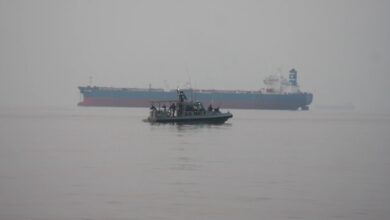
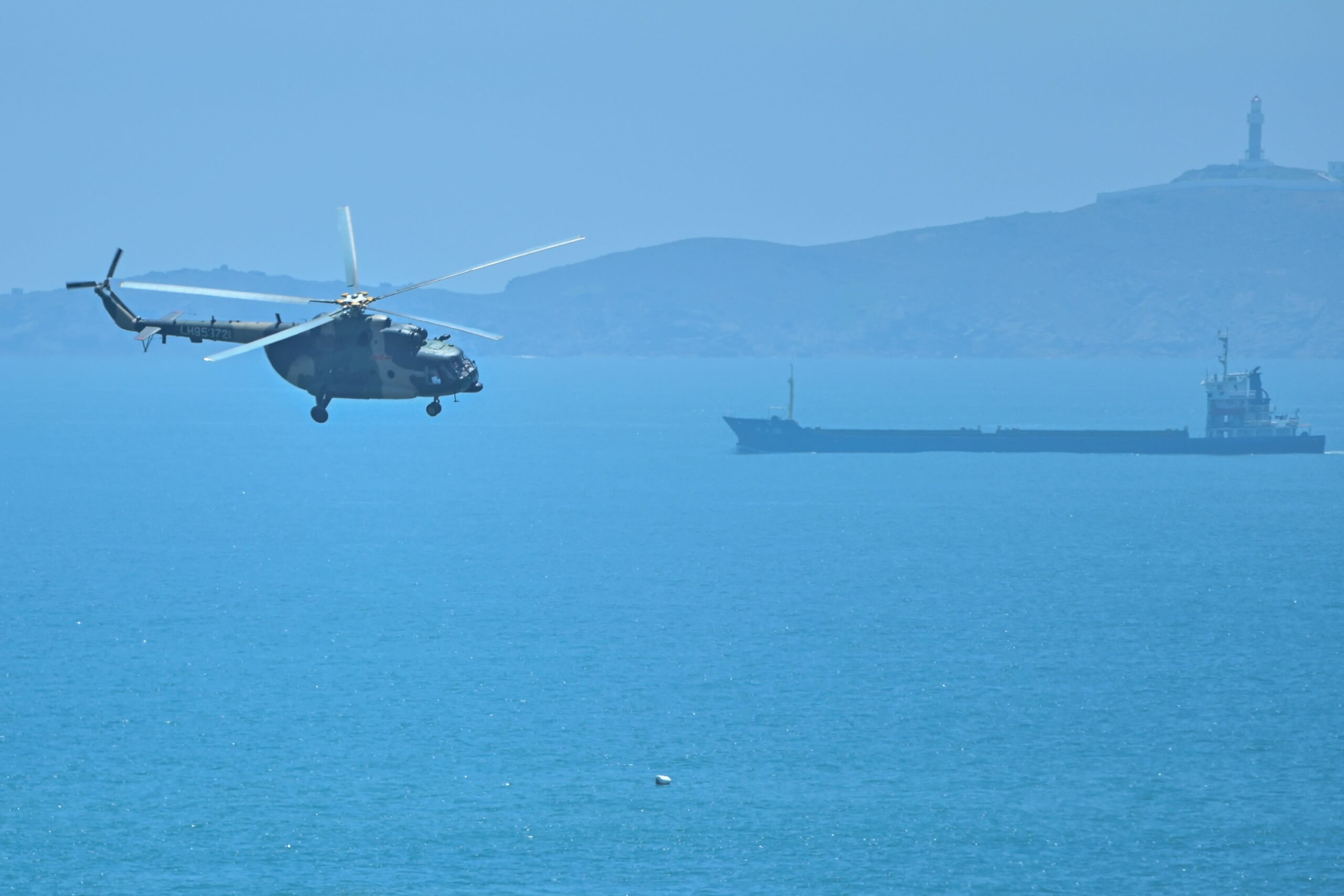
However, PLA naval and coast guard assets remained active during the weeklong pause of air exercises, according to Taiwan’s defense ministry updates.
The Chinese government claims Taiwan as part of its territory and has threatened to use force to annex it, incrementally increasing military flights as part of its pressure campaign.
Taipei’s key ally and military backer is the US. While Washington is not required to defend the self-governed island, it has a policy to provide it with the means to defend itself under the 1979 Taiwan Relations Act.
In November 2025, the US approved $330 million of military aircraft parts and equipment in its first military sale to Taiwan since US President Donald Trump’s return to the White House and approved another $11-billion arms package shortly after, prompting criticism from China.
Possible Reasons
Since January 2026, China has deployed 460 PLA aircraft, including fighter jets and drones, into Taiwan’s ADIZ.
This represented a 46.5 percent decrease compared to last year, according to Taiwan government data compiled by research group Secure Taiwan Associate Corporation.
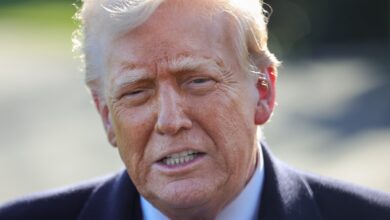
Analysts noted that the recent sudden drop in PLA military flight activity — its longest recorded hiatus — may be linked to the upcoming meeting between Trump and China’s President, Xi Jinping, from March 31 to April 2.
“Beijing might be trying to create a false impression: I am peaceful, I am moving toward peace, so you should stop selling weapons to Taiwan,” an unnamed senior Taiwan security official told Reuters.
Apart from the upcoming summit, the pause could be due to China’s ongoing anti-corruption purge in the military, leading to command structure changes, said research fellow Su Tzu-yun from the Institute for National Defence and Security Research.
Meanwhile, anonymous senior Taiwan security officials cautioned not to “project any change in Beijing’s intentions based solely on a few days of activity,” as China may also be using the lull to absorb lessons from its military drills.