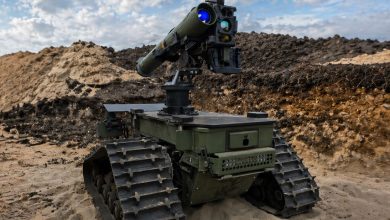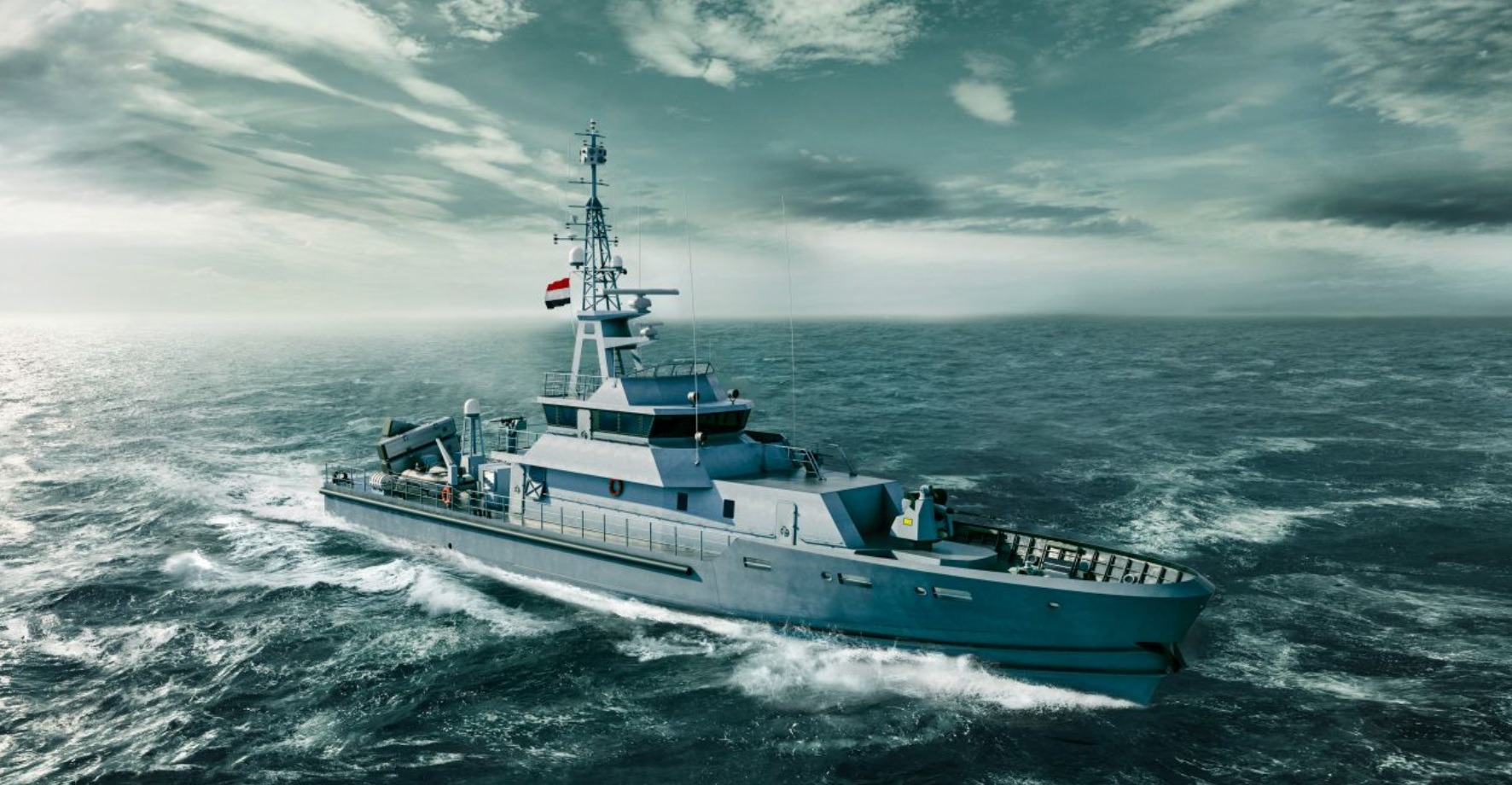
Rheinmetall has completed its purchase of Naval Vessels Lürssen (NVL), setting the stage for a consolidated German naval systems house that will design and build surface combatants and autonomous maritime platforms for Germany and NATO partners.
The Düsseldorf-based defense group secured all necessary antitrust approvals for its takeover of NVL, the military arm of the Lürssen Group, formalizing the deal on March 1.
Neither party disclosed the purchase price, but Rheinmetall described the acquisition as a strategic milestone that expands its maritime domain portfolio and anchors high-end naval production within Germany and Europe.
Rheinmetall CEO Armin Papperger said the combination of expertise from Rheinmetall and NVL will create a “powerful full-range supplier” capable of producing state-of-the-art surface vessels and maritime autonomous systems.
Under the expanded maritime offering, the technology group intends to meet rising demand from naval forces amid increased defense spending and evolving maritime threats.
Modern naval platforms incorporating digital infrastructure, advanced sensors, weapons, and autonomous features are expected to be part of its future programs.
The acquisition follows an earlier announcement in September 2025, when Rheinmetall and Lürssen agreed on terms including the integration of NVL’s locations and about 2 ,100 staff into Rheinmetall’s maritime business segment.
Germany’s Naval Modernization
Rheinmetall’s acquisition of NVL builds on a series of German naval developments over recent years that indicate a broader push to modernize surface fleets and support infrastructure.
In February 2025, NVL laid the keel of the German Navy’s first Type 424 signals intelligence and reconnaissance ship, part of a three-vessel program replacing the aging Type 423 fleet. This project includes a dedicated training and reference center for future crews scheduled for delivery in 2027.
Earlier, in November 2024, NVL started construction of the first Type 424 reconnaissance ship in Wolgast, marking the formal beginning of production for the fleet of next-generation electronic surveillance vessels expected in service between 2029 and 2031.
Training infrastructure has also expanded. In February 2025, Germany contracted Rheinmetall to supply Distributed Naval Training Architecture simulators to six naval bases. This creates a networked training environment that allows crews from ships and aviation units to train together in shared virtual scenarios linked to real tactical data and communication systems.
Most recently, in February 2026, German shipbuilder Fassmer secured a contract to build four training vessels for the German Navy to support seamanship, navigation, and basic maritime skills instruction, with deliveries beginning in 2028.