Florida-based Teledyne Marine and MSubs in England have signed a memorandum of understanding to pursue joint autonomous system opportunities with the UK Royal Navy.
The partnership will integrate vehicle platforms, autonomy solutions, sensors, communications, cameras, lighting, and subsea connectors to support unmanned maritime operations.
Among the British navy initiatives that the consortium plans to support are the seven-year anti-submarine warfare program Atlantic Bastion and the offshore support vessel program Maritime Mine Countermeasures Block 2, while expanding its footprint across the global market.
Part of the collaboration will build on the integration of Teledyne’s in-house SeaBat multibeam sonars onto the UK-made Zero drone boats during a Portuguese Navy-led NATO autonomous systems exercise last year.
The companies also plan to deploy Teledyne’s Slocum autonomous underwater gliders and Osprey-class underwater drones from Zero unmanned surface vehicle platforms in the UK and Iceland in the first and second quarters of 2026.
“This collaboration represents a significant step forward in advancing maritime technologies,” said Brian Maguire, chief operating officer of Teledyne Marine.
“By combining our expertise, we aim to deliver innovative solutions that meet the evolving needs of the UK and international markets.”
Meanwhile, MSubs Director Brett Phaneuf described the companies’ previous experiences in sensor integrations as “nimble and forward leaning,” qualities he said are necessary for large firms partnering with smaller enterprises.
About the Companies
Teledyne Marine operates production facilities in North Falmouth, Massachusetts, and Kopavogur, Iceland.
As of January 2026, it has delivered more than 12,000 APEX Current Profiling Floats and about 1,200 Slocum gliders, including over 600 to NATO navies, and employs approximately 2,700 staff.
MSubs primarily designs and develops autonomy software and unmanned systems, including composite hull fabrication and electronics integration, at its UK facility in Plymouth, Devon, and American center in Round Rock, Texas.
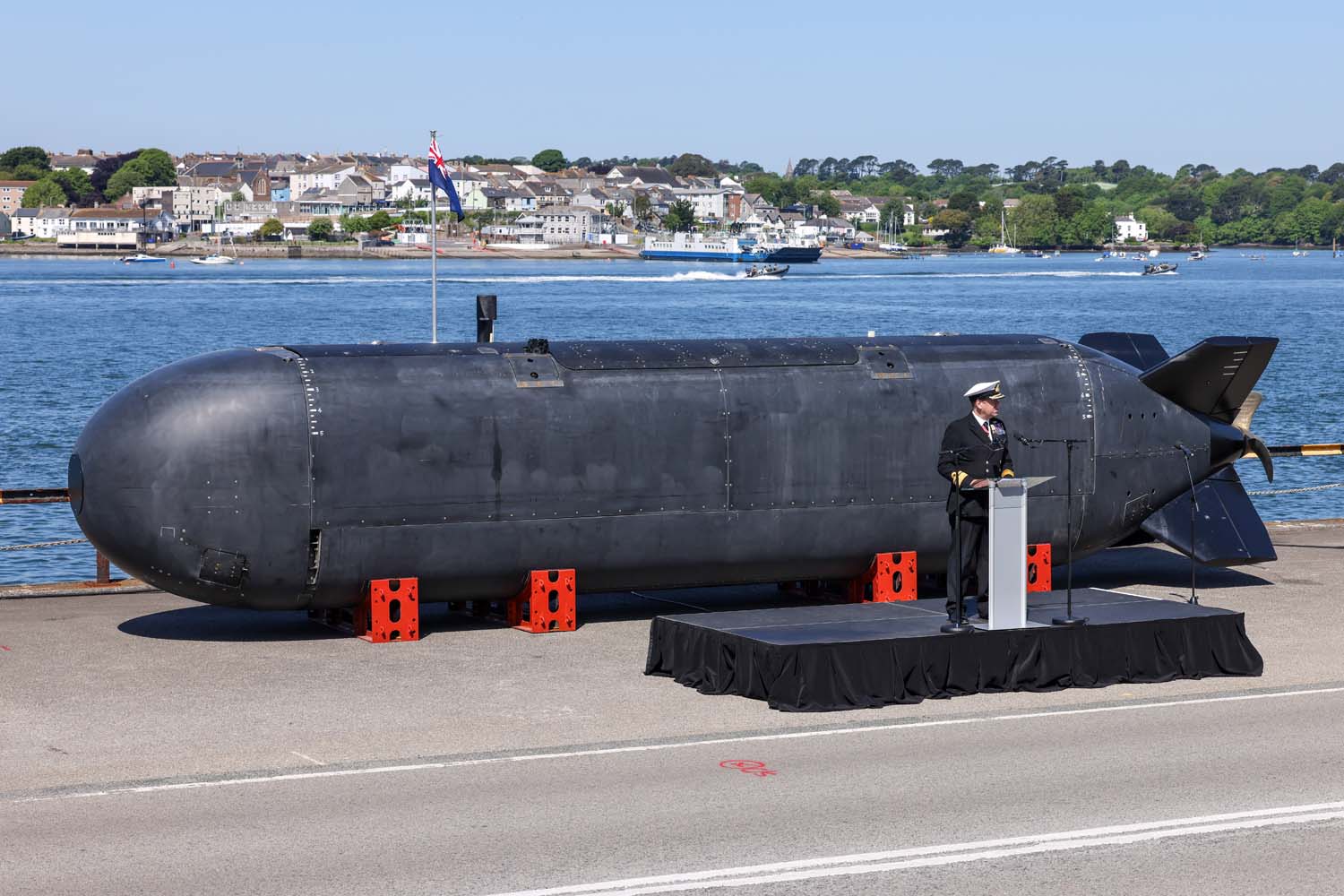
The corporation has already partnered with the US Navy and Special Operations Command on the Extra Large Unmanned Undersea Vehicle, or XLUUV, and Dry Combat Submersibles.
In the UK, it has delivered London’s version of the XLUUV to the Royal Navy and has provided an unmanned underwater laboratory vehicle for the service’s anti-submarine warfare exercise.