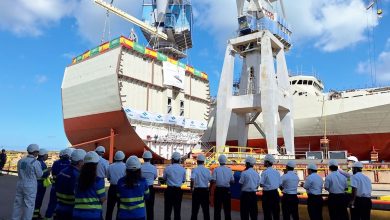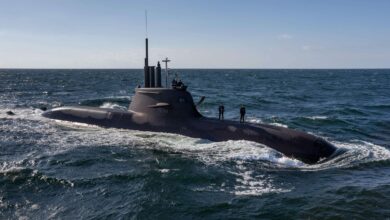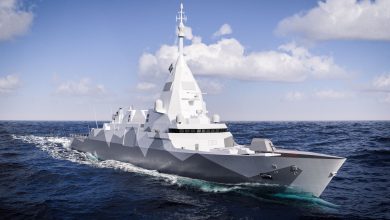
Navantia has moved to position itself as a long-term industrial partner for Denmark’s next wave of naval procurement, unveiling a cooperation proposal as the Spanish Navy’s most modern frigate made a rare stop in Copenhagen.
The Spanish shipbuilder said it is ready to support Danish naval programs with deliveries beginning in 2030, offering a partnership model that emphasizes local industry participation, life-cycle support, and training backed by the Spanish Navy.
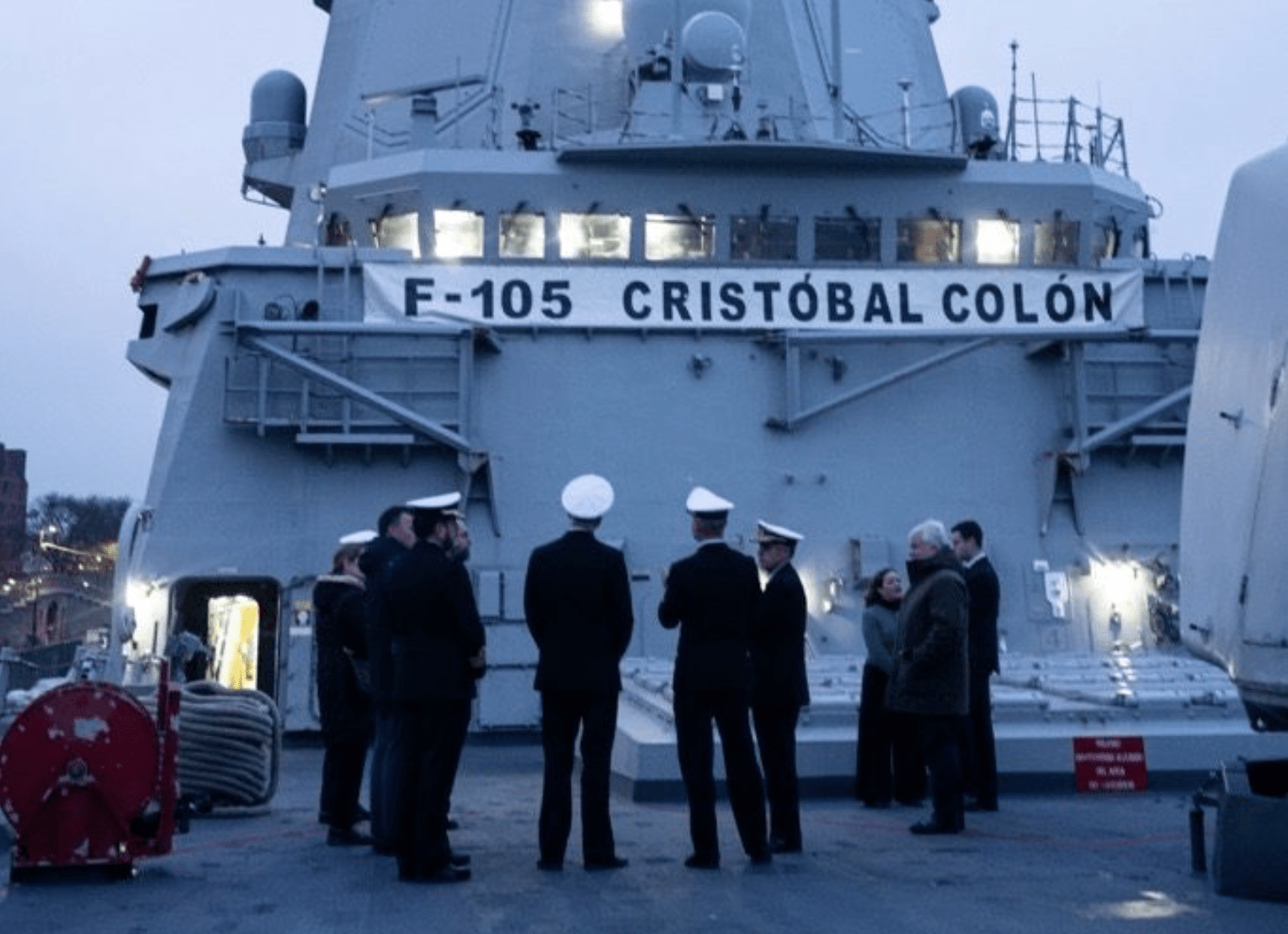
This proposal was presented during the visit of the frigate F105 to Denmark while the ship was operating in the Baltic Sea as part of NATO’s Steadfast Dart 26 exercise.
That visit also served as a showcase for Navantia’s flagship surface combatant capabilities. The F105, the newest vessel in the F100 Álvaro de Bazán-class, is regarded as one of the most capable air defense frigates in service with NATO navies.
According to Navantia, the cooperation model being offered to Denmark builds on its experience delivering complex naval programs abroad, including technology transfer and industrial collaboration arrangements dating back to its first major export program in Australia in 2007.
Denmark’s Naval Modernization Efforts
Denmark has actively pursued upgrades to its maritime capabilities through major acquisitions in recent years.
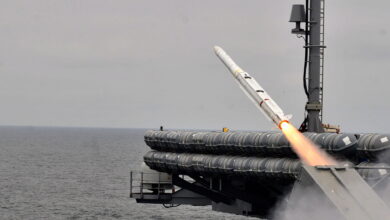
In March 2025, Copenhagen signed a roughly 2.1-billion‑kroner ($306-million) contract with Norwegian firm Kongsberg Defence & Aerospace to procure Naval Strike Missiles and related equipment for its Iver Huitfeldt‑class frigates, replacing older Harpoon systems donated to Ukraine.
This government‑to‑government procurement aimed to enhance the Royal Danish Navy’s strike reach and sustain interoperability with NATO allies.
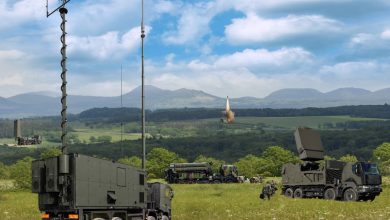
Later, in December 2025, Denmark agreed on a contract valued at more than 100 million euros ($117 million) with Kongsberg for an NSM Coastal Defence System to bolster land‑based capabilities.
The system, consisting of NSM launchers, advanced fire‑control elements, and integrated sensor systems, expands Copenhagen’s ability to restrict access to strategic waterways such as the Danish Straits and the western Baltic Sea.